Garden maintenance is a crucial aspect of creating and sustaining an inviting outdoor space. It encompasses a variety of tasks aimed at preserving the health, beauty, and functionality of your garden. From regular weeding and pruning to seasonal planting and soil care, effective garden upkeep ensures that your outdoor area remains vibrant and flourishing throughout the year. The importance of garden maintenance cannot be overstated; it not only enhances the aesthetic appeal of your property but also contributes to the overall well-being of the plants and wildlife that inhabit it.Proper garden care plays a significant role in preventing issues such as pest infestations, diseases, and nutrient deficiencies.
By regularly tending to your garden, you can identify potential problems early on and take corrective measures before they escalate. This proactive approach not only saves time and resources in the long run but also fosters a more resilient ecosystem within your garden. Moreover, a well-maintained garden can increase the value of your property, making it more attractive to potential buyers or renters.In addition to its practical benefits, garden maintenance offers a range of emotional and psychological advantages. Engaging with nature through gardening has been shown to reduce stress, improve mood, and promote overall mental well-being.
The act of nurturing plants and watching them thrive can provide a sense of accomplishment and connection to the environment. Whether you have a sprawling landscape or a compact urban garden, investing time in its upkeep can transform your outdoor space into a personal sanctuary that reflects your style and enhances your quality of life.
Evaluating Your Garden Space
When embarking on a garden landscaping project, the first step is to thoroughly evaluate your garden space. This assessment is crucial as it lays the foundation for all subsequent design and maintenance decisions. Understanding the unique characteristics of your garden will help you create a space that is not only aesthetically pleasing but also functional and sustainable.1.Assessing Size and Shape
The size and shape of your garden are fundamental factors that will influence your landscaping choices.
Begin by measuring the dimensions of your garden area. Consider whether it is a small courtyard, a sprawling backyard, or an irregularly shaped plot. Each type of space presents different opportunities and challenges.
- Small Gardens: In smaller spaces, vertical gardening techniques can be employed to maximise plant growth without consuming too much ground area. Consider using trellises or wall planters to add greenery without overcrowding.
- Large Gardens: For larger areas, you have the freedom to create distinct zones for various activities, such as dining, relaxation, or play.
Think about how to divide these spaces effectively while maintaining a cohesive design.
2.Evaluating Existing Features
Your garden may already have existing features such as trees, shrubs, pathways, or water elements. These should be carefully evaluated as they can significantly impact your landscaping plans.
- Trees: Mature trees can provide shade and structure but may also limit sunlight for other plants. Assess their health and consider how they fit into your overall design.
- Paths and Patios: Existing pathways can dictate traffic flow in your garden. Ensure they lead to key areas and are constructed from materials that complement your design style.
- Water Features: If you have ponds or fountains, think about how they can enhance the overall atmosphere of your garden while also considering maintenance needs.
3.Sunlight and Soil Conditions
Understanding the sunlight patterns in your garden is essential for selecting appropriate plants.
Observe how sunlight moves across your space throughout the day and note areas that receive full sun versus those that are shaded.
- Full Sun Areas: These spots are ideal for sun-loving plants such as lavender or roses.
- Shaded Areas: Consider shade-tolerant plants like ferns or hostas for these regions.
Deciding Between DIY and Professional Landscaping
When it comes to garden maintenance, one of the first decisions you’ll face is whether to tackle the project yourself or hire a professional landscaper. Each option has its own set of advantages and disadvantages, and understanding these can help you make an informed choice that aligns with your needs and budget.DIY Landscaping
- Cost-Effective: One of the most significant benefits of DIY landscaping is the potential for cost savings. By doing the work yourself, you can avoid labour costs associated with hiring professionals.
This is particularly appealing for those on a tight budget.
- Personal Satisfaction: There’s a unique sense of accomplishment that comes from creating your own garden space. Many find joy in nurturing plants and watching their hard work come to fruition.
- Flexibility: DIY projects allow you to work at your own pace and schedule. You can take your time to ensure every detail is just right, without the pressure of a professional timeline.
- Time-Consuming: Garden maintenance can be a labour-intensive task that requires significant time investment. If you have a busy schedule, finding time to dedicate to your garden may be difficult.
- Lack of Expertise: Without professional training, you may encounter difficulties in areas such as plant selection, soil preparation, and pest management.
Mistakes can lead to wasted resources and effort.
- Physical Strain: Landscaping often involves heavy lifting, digging, and prolonged periods of physical activity, which can be taxing on your body.
Hiring a Professional Landscaper
- Expertise: Professional landscapers bring a wealth of knowledge and experience to the table. They understand local climate conditions, soil types, and plant compatibility, ensuring that your garden thrives.
- Time Efficiency: Hiring a landscaper allows you to save time. Professionals can complete tasks more quickly due to their experience and access to specialised tools.
- Design Skills: A professional can help create a cohesive design that enhances the aesthetic appeal of your garden while considering functionality and maintenance needs.
Additionally, finding the right landscaper who understands your vision may take time and research.Ultimately, the decision between DIY landscaping and hiring a professional depends on your budget, available time, and comfort level with gardening tasks. Assessing these factors will guide you towards the best choice for your garden maintenance needs.
Choosing the Right Plants for Your Garden
When it comes to garden maintenance , selecting the right plants is crucial for creating a thriving outdoor space. The UK climate, with its varying conditions, requires careful consideration of plant choices to ensure they flourish throughout the seasons.Understanding Your Environment
Before diving into plant selection, assess your garden's specific environment. Factors such as soil type, sunlight exposure, and moisture levels play a significant role in determining which plants will thrive.
For instance, clay soils retain moisture but can be heavy, while sandy soils drain quickly but may require more frequent watering.
Best Plants for UK Gardens
- Perennials: These plants return year after year, making them a sustainable choice. Consider options like lavender, which not only adds colour but also attracts pollinators.
- Shrubs: Incorporating shrubs such as boxwood or holly can provide structure and year-round greenery.
- Seasonal Flowers: To ensure continuous blooms, mix early spring bulbs like daffodils with summer favourites such as roses.
- Native Plants: Opting for native species can enhance biodiversity and reduce maintenance. Plants like foxgloves and bluebells are well-suited to the UK climate.
Seasonal Planting Tips
Timing is everything when it comes to planting. Here are some tips to help you maximise your garden's potential:
- Spring Planting: This is the ideal time for sowing seeds and planting new perennials.
Ensure the soil is warm enough to promote germination.
- Summer Care: During the warmer months, focus on watering and deadheading flowers to encourage further blooming.
- Autumn Preparation: As temperatures drop, consider planting bulbs for spring blooms. This is also a good time to divide perennials.
- Winter Maintenance: Protect your garden by mulching around plants to insulate roots and prevent frost damage.
Incorporating Hardscaping Elements
When designing a garden, incorporating hardscaping elements is essential for creating a balanced and functional outdoor space. Hardscaping refers to the non-plant elements of landscape design, such as pathways, patios, walls, and other structures that provide both aesthetic appeal and practical benefits.Types of Hardscaping Materials
- Stone: Natural stone is a popular choice for hardscaping due to its durability and timeless beauty.
Options like granite, slate, and limestone can be used for patios, walkways, and retaining walls. Each type of stone offers unique textures and colours, allowing for creative designs that complement the surrounding landscape.
- Wood: Wood is another versatile material that can add warmth and character to your garden. Decking, pergolas, and wooden fences can create inviting spaces for relaxation and entertainment. When selecting wood, consider treated timber or hardwoods that are resistant to rot and pests.
- Metal: Incorporating metal elements such as wrought iron gates or stainless steel planters can introduce a modern touch to your garden.
Metal is particularly effective in contemporary designs and can be used to create striking contrasts with natural materials.
- Concrete: Concrete is a highly adaptable material that can be poured into various shapes for patios, pathways, or even decorative features like benches. Stamped or stained concrete can mimic the appearance of stone or brick while providing a durable surface.
Benefits of Hardscaping
The integration of hardscaping in your garden design offers numerous advantages:
- Structure: Hardscaping provides essential structure to your garden layout. It helps define spaces, guiding movement through the area while creating distinct zones for different activities such as dining, lounging, or gardening.
- Low Maintenance: Unlike plants that require regular care, hardscaped areas typically demand less maintenance. This allows you to enjoy your outdoor space without the constant upkeep associated with landscaping.
- Drainage Solutions: Properly designed hardscaping can improve drainage in your garden.
By directing water away from plant beds and preventing erosion, you can maintain healthier soil conditions.
- Aesthetic Appeal: Hardscaping enhances the visual interest of your garden. By combining various materials and textures, you can create a cohesive design that complements your home’s architecture and the natural environment.
Creating Functional Outdoor Spaces
Designing functional outdoor spaces is essential for maximising the usability of your garden while ensuring it remains visually appealing. Whether you have a small balcony or a sprawling backyard, creating areas that serve specific purposes can enhance your outdoor experience.Seating Areas
A well-planned seating area can transform your garden into a relaxing retreat.Consider incorporating comfortable garden furniture that invites you to unwind. Options such as:
- Loungers: Perfect for sunbathing or reading a book.
- Benches: Ideal for larger gatherings, providing ample seating without taking up too much space.
- Hammocks: A fun and relaxing addition that can be strung between trees or posts.
Dining Spaces
If you enjoy al fresco dining, creating a dedicated dining area is a must. A well-placed table and chairs can make outdoor meals more enjoyable. Here are some tips:- Size Matters: Choose a table that fits your space; round tables can be great for smaller areas, while rectangular tables work well in larger gardens.
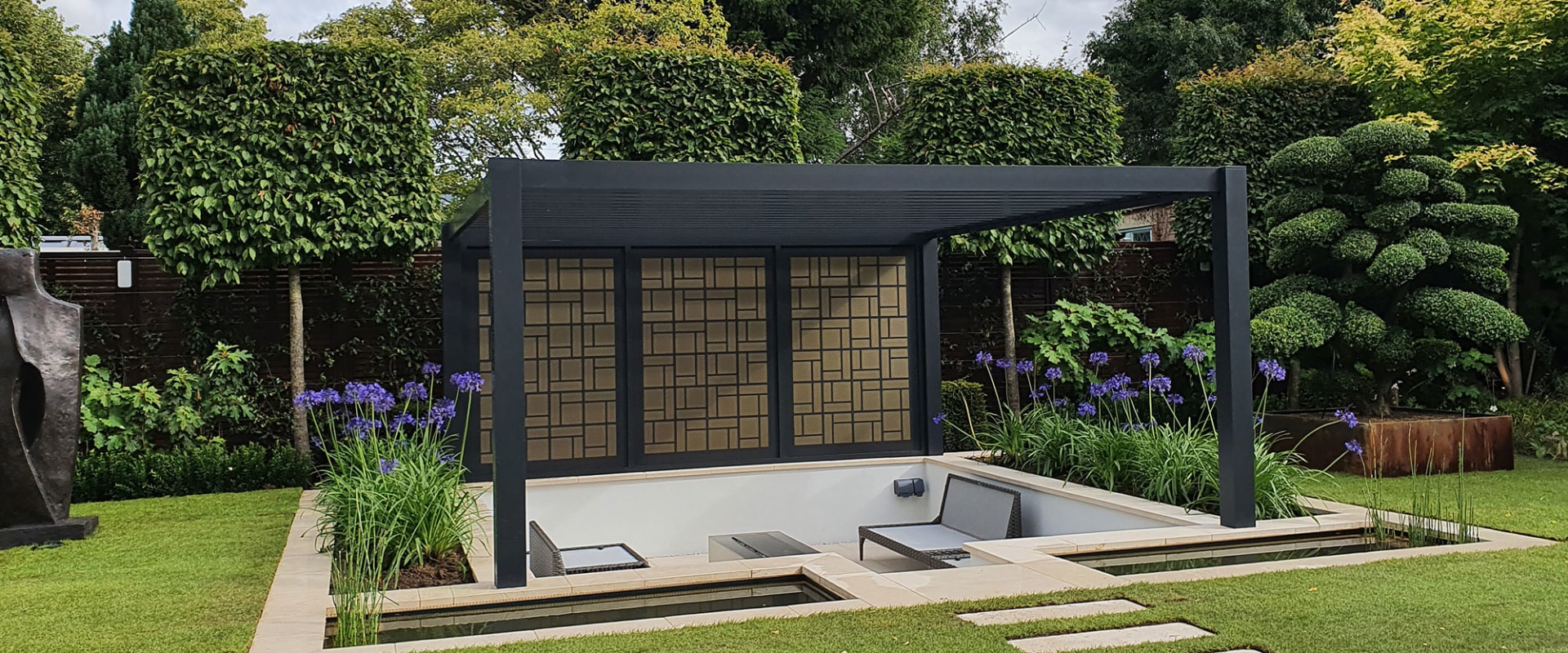
- Shade Solutions: Consider adding a pergola or umbrella to provide shade during sunny days, making your dining experience more comfortable.
- Lighting: Incorporate string lights or lanterns to create an inviting atmosphere for evening meals.
Additional Features
To further enhance the functionality of your outdoor space, consider adding features such as:- Fire Pits: These not only provide warmth but also create a focal point for gatherings.
- Outdoor Kitchens: For the culinary enthusiast, an outdoor kitchen can elevate your cooking experience and make entertaining easier.
- Planters and Vertical Gardens: These can add greenery without taking up valuable floor space, making them perfect for smaller gardens.
Sustainable Gardening Practices
Embracing sustainable gardening practices is essential for creating a garden that not only flourishes but also contributes positively to the environment.By implementing eco-friendly methods, gardeners can enhance biodiversity, conserve resources, and reduce their carbon footprint.One of the most effective ways to promote sustainability in your garden is through composting. Composting transforms kitchen scraps and garden waste into nutrient-rich soil amendments. This process not only reduces landfill waste but also enriches the soil, improving its structure and fertility. To start composting, consider the following:
- Choose a compost bin: Select a bin that suits your space, whether it’s a simple pile or a more structured bin.
- Add diverse materials: Include a mix of green materials (like vegetable peels and grass clippings) and brown materials (such as dried leaves and cardboard) to create a balanced compost.
- Maintain moisture: Keep your compost damp but not soggy, turning it regularly to aerate and speed up decomposition.
Efficient water use not only saves resources but also ensures that plants receive adequate hydration. Here are some strategies to consider:
- Install rain barrels: Collect rainwater from your roof to use for watering plants, reducing reliance on tap water.
- Use drip irrigation: This method delivers water directly to the plant roots, minimising evaporation and runoff.
- Mulch your garden: Applying a layer of organic mulch helps retain soil moisture, suppress weeds, and regulate soil temperature.
When selecting native plants, consider:
- Local flora: Research which plants are native to your area and choose those that will thrive in your garden conditions.
- Diversity: Plant a variety of species to create a balanced ecosystem that supports different forms of wildlife.
- Seasonal interest: Select plants that bloom at different times throughout the year to ensure continuous colour and habitat availability.
Common Garden Maintenance Mistakes to Avoid
Maintaining a garden can be a rewarding experience, but it is not without its challenges. Many gardeners, both novice and experienced, often fall into common traps that can hinder the health and beauty of their landscapes. By identifying these frequent garden maintenance mistakes , you can take proactive steps to avoid them and ensure your garden thrives.1.Overwatering or Underwatering
One of the most prevalent errors in garden maintenance is improper watering.Overwatering can lead to root rot and fungal diseases, while underwatering can cause plants to wilt and die. To avoid this pitfall:
- Assess Soil Moisture: Check the soil moisture level before watering. A simple finger test—sticking your finger into the soil up to the second knuckle—can help determine if your plants need water.
- Water Deeply: When you do water, ensure it penetrates deep into the soil to encourage deep root growth.
- Consider Plant Needs: Different plants have varying water requirements; tailor your watering schedule accordingly.
2.Ignoring Soil Health
The foundation of a healthy garden lies in its soil. Neglecting soil health can lead to poor plant growth and increased susceptibility to pests and diseases.To maintain optimal soil conditions:
- Test Your Soil: Conduct a soil test to understand its pH and nutrient levels, allowing you to amend it appropriately.
- Add Organic Matter: Regularly incorporate compost or well-rotted manure to improve soil structure and fertility.
- Avoid Compaction: Minimise foot traffic on garden beds to prevent soil compaction, which restricts root growth.
3.Planting at the Wrong Time
Timing is crucial in gardening. Planting too early or too late can result in poor establishment or damage from frost. To avoid this mistake:- Research Planting Seasons: Familiarise yourself with the best planting times for your specific plants based on local climate conditions.
- Use Frost Dates: Keep track of the last frost date in spring and the first frost date in autumn to plan your planting schedule effectively.
4.Neglecting Pest Control
Pests can wreak havoc on your garden if left unchecked. Many gardeners overlook early signs of infestation, leading to larger problems down the line.To manage pests effectively:
- Regular Inspections: Routinely check your plants for signs of pests or disease, such as discolouration or unusual spots.
- Encourage Beneficial Insects: Attract natural predators like ladybugs and lacewings by planting diverse flora.
- Avoid Chemical Overuse: Use pesticides judiciously, opting for organic solutions when possible to protect beneficial insects.
Conclusion: Crafting Your Ideal Garden Landscape
In conclusion, creating your ideal garden landscape is a multifaceted journey that requires careful consideration and ongoing commitment. As we have explored throughout this article, the process begins with a thorough evaluation of your space and understanding the unique characteristics of your garden. This foundational step is crucial in determining the best design elements that will harmonise with your environment.One of the key takeaways is the importance of thoughtful planning.Whether you choose to embark on this project yourself or enlist the help of a professional landscaper, having a clear vision will guide your decisions. Consider factors such as the size of your garden, the local climate, and how you intend to use the space. For instance, if you envision a vibrant area for entertaining guests, incorporating features like patios or outdoor kitchens can enhance functionality while adding aesthetic appeal.Moreover, garden maintenance plays an integral role in sustaining the beauty and health of your landscape. Regular upkeep not only preserves the visual charm but also ensures that plants thrive and continue to flourish over time.
This includes tasks such as pruning, weeding, and seasonal planting to keep your garden vibrant throughout the year.Additionally, consider incorporating a variety of plants that offer year-round interest. By selecting species that bloom in different seasons or have striking foliage, you can create a dynamic landscape that evolves with time. This diversity not only enhances visual appeal but also supports local wildlife, contributing to a healthier ecosystem.Finally, remember that your garden is an extension of your home and should reflect your personal style. Whether you prefer a modern minimalist approach or a lush cottage garden filled with colour, let your creativity shine through in every aspect of your design.
With careful planning and dedicated maintenance, you can transform your outdoor space into a stunning sanctuary that brings joy and tranquility for years to come.