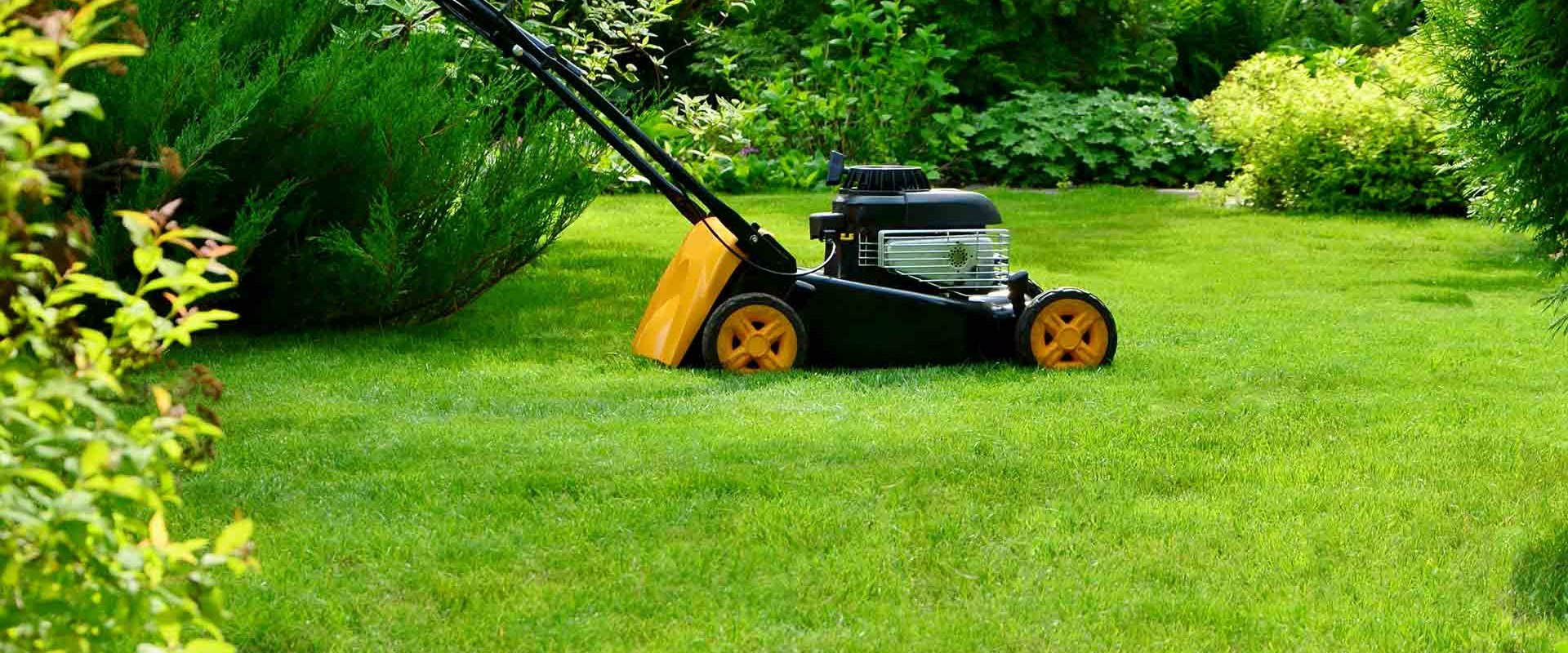
Garden maintenance is a crucial aspect of horticulture that encompasses a variety of tasks aimed at preserving the health, beauty, and functionality of outdoor spaces. At its core, garden maintenance refers to the ongoing care and management of gardens, ensuring that plants thrive and the landscape remains visually appealing throughout the seasons. This practice is not merely about aesthetics; it plays a significant role in promoting biodiversity, enhancing air quality, and creating a serene environment for relaxation and recreation.The definition of garden maintenance extends beyond simple lawn care or occasional weeding. It involves a comprehensive approach that includes activities such as pruning, fertilising, pest control, and seasonal planting.
Each of these tasks contributes to the overall health of the garden ecosystem. For instance, regular pruning helps to encourage new growth and prevent disease, while proper fertilisation provides essential nutrients that plants need to flourish. Additionally, effective pest control measures protect plants from harmful insects that can devastate a garden.Understanding what garden maintenance entails is essential for anyone looking to cultivate a thriving outdoor space. It requires knowledge of plant species, soil conditions, and seasonal changes.
By engaging in regular maintenance practices, gardeners can not only enhance the beauty of their gardens but also ensure that they remain sustainable and resilient against environmental challenges. In essence, garden maintenance is about fostering a harmonious relationship between nature and human intervention, allowing gardens to flourish while providing enjoyment for all who encounter them.
The Importance of Garden Maintenance
Regular garden maintenance is not merely a chore; it is an essential practice that brings numerous benefits to homeowners and their properties. Understanding the importance of maintaining a garden can transform how one perceives outdoor spaces, turning them into vibrant extensions of the home.One of the primary advantages of consistent garden maintenance is the enhancement of aesthetic appeal. A well-kept garden can significantly improve the overall look of a property, making it more inviting and visually pleasing.This not only creates a welcoming atmosphere for family and friends but also leaves a positive impression on visitors and passersby. A beautifully maintained garden can serve as a focal point, showcasing the homeowner's dedication to their property.Moreover, regular maintenance plays a crucial role in promoting plant health. By routinely checking for pests, diseases, and nutrient deficiencies, gardeners can ensure that plants thrive throughout the seasons. Activities such as pruning, weeding, and fertilising are vital in preventing overcrowding and competition for resources among plants.
Healthy plants are more resilient to environmental stresses, which means they are less likely to succumb to disease or pest infestations.In addition to aesthetic and health benefits, garden maintenance can significantly enhance property value. A well-maintained garden can increase curb appeal, which is often a key factor for potential buyers. Properties with attractive outdoor spaces tend to sell faster and at higher prices compared to those with neglected gardens. Investing time and effort into maintaining a garden can yield substantial returns when it comes time to sell.Furthermore, regular maintenance fosters a sense of pride and ownership among homeowners.
Engaging with one’s garden can be therapeutic, providing an opportunity to connect with nature and relieve stress. The act of nurturing plants and watching them flourish can be incredibly rewarding.In conclusion, the importance of garden maintenance cannot be overstated. From enhancing aesthetic appeal and promoting plant health to increasing property value and providing personal satisfaction, the benefits are manifold. Homeowners who prioritise their gardens not only create beautiful outdoor spaces but also invest in their overall well-being and property investment.
Key Components of Garden Maintenance
Maintaining a garden involves a variety of essential tasks that contribute to its overall health and aesthetic appeal.Understanding these key components of garden maintenance can help you create a thriving outdoor space. Below are some of the primary activities involved in effective garden upkeep.
- Mowing: Regular mowing is crucial for maintaining a healthy lawn. It encourages grass to grow thicker and prevents weeds from taking over. Depending on the season and growth rate, lawns typically require mowing every one to two weeks.
Using a sharp mower blade ensures clean cuts, which helps the grass recover quickly.
- Pruning: Pruning involves trimming back overgrown plants, shrubs, and trees to promote healthy growth and flowering. This task is best performed during specific seasons, depending on the type of plant. For instance, many flowering shrubs benefit from pruning after they bloom, while deciduous trees are often pruned in late winter or early spring.
- Weeding: Weeds compete with your plants for nutrients, water, and sunlight. Regular weeding is essential to keep your garden healthy.
Hand-pulling weeds can be effective for small areas, while mulching can help suppress weed growth in larger beds. It's important to identify weeds early before they have a chance to spread.
- Fertilising: Providing your plants with the right nutrients is vital for their growth and productivity. Fertilising should be done according to the specific needs of your plants and soil type. Organic options like compost or well-rotted manure can improve soil structure and fertility, while chemical fertilisers can provide quick nutrient boosts when needed.
- Watering: Adequate watering is fundamental to garden maintenance, especially during dry spells.
Understanding the watering needs of different plants is essential; some may require more frequent watering than others. Drip irrigation systems or soaker hoses can be efficient ways to deliver water directly to the roots while conserving moisture.
- Pest Control: Keeping an eye out for pests is crucial in maintaining a healthy garden. Integrated Pest Management (IPM) strategies can help control pest populations without harming beneficial insects. Regular inspections and using organic pest control methods can prevent infestations from becoming severe.
Each task plays a significant role in creating an environment where plants can thrive, ultimately enhancing the beauty and functionality of your outdoor space.
Tools and Equipment for Effective Garden Maintenance
To maintain a thriving garden, having the right tools and equipment is essential. Investing in quality garden maintenance tools not only makes the work easier but also enhances the overall health and appearance of your garden. Below is a list of essential gardening equipment that every gardener should consider.- Hand Tools: These are the backbone of any gardener's toolkit. Essential hand tools include:
- Hand Trowel: Perfect for digging small holes, transplanting seedlings, and mixing soil.
- Pruning Shears: Ideal for trimming and shaping plants, as well as removing dead or diseased branches.
- Weeder: A must-have for removing weeds without disturbing the surrounding soil.
- Lawn Care Equipment: Keeping your lawn healthy requires specific tools:
- Lawn Mower: A high-quality mower is crucial for maintaining a neat lawn.
Consider a model that suits your garden size, whether it’s a push mower for smaller areas or a ride-on mower for larger spaces.
- String Trimmer: This tool helps to tidy up edges and hard-to-reach areas where a mower cannot go.
- Lawn Rake: Useful for collecting leaves and debris, ensuring your lawn remains clean and healthy.
- Soil Management Tools: Healthy soil is the foundation of a successful garden. Key tools include:
- Garden Fork: Excellent for aerating soil and mixing in compost or fertiliser.
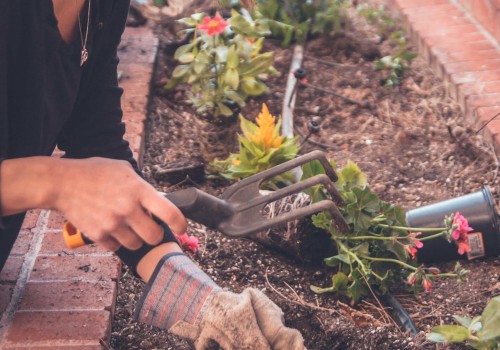
- Trowel Fork: A smaller version of the garden fork, perfect for container gardening or small beds.
- Soil Moisture Meter: Helps you monitor moisture levels to ensure your plants receive adequate water without overwatering.
- Irrigation Tools: Proper watering is vital for plant health. Consider these tools:
- Watering Can: Ideal for targeted watering, especially for potted plants and delicate seedlings.
- Hose with Adjustable Nozzle: A versatile option that allows you to control water flow and pressure.
- Irrigation System: For larger gardens, an automated irrigation system can save time and ensure consistent watering.
DIY vs Professional Garden Maintenance Services
When it comes to garden maintenance, homeowners often face a crucial decision: should they tackle the tasks themselves or hire professional gardening services? Each option has its own set of advantages and disadvantages, and understanding these can help you make an informed choice that suits your needs and circumstances.DIY Garden Maintenance
Engaging in DIY garden maintenance can be a rewarding experience.It allows you to connect with nature, exercise creativity, and save money. Here are some benefits of maintaining your garden yourself:
- Cost Savings: By doing the work yourself, you can significantly reduce costs associated with hiring professionals. This is particularly beneficial for routine tasks like mowing, weeding, and planting.
- Personal Satisfaction: There’s a unique sense of accomplishment that comes from nurturing your garden. Watching your plants thrive due to your efforts can be incredibly fulfilling.
- Flexibility: You can choose when and how to work on your garden, allowing for a more personalised approach to maintenance.
- Time-Consuming: Garden maintenance can be labour-intensive and time-consuming, especially if you have a large area to manage.
- Lack of Expertise: Without proper knowledge, you may inadvertently harm your plants or miss essential maintenance tasks.
- Physical Strain: Gardening can be physically demanding, which may not be suitable for everyone, particularly those with health issues.
Professional Gardening Services
On the other hand, hiring professional gardening services can alleviate many of the burdens associated with garden maintenance.Here are some advantages:
- Expertise: Professionals bring a wealth of knowledge and experience. They understand plant care, pest control, and seasonal requirements better than most homeowners.
- Efficiency: With access to specialised tools and equipment, professionals can complete tasks more quickly and effectively than the average DIYer.
- Comprehensive Care: Many services offer a range of options from basic lawn care to complete landscape design, ensuring all aspects of your garden are well taken care of.
- Cost: Professional services can be expensive, especially for ongoing maintenance contracts.
- Lack of Personal Touch: While professionals are skilled, they may not have the same emotional investment in your garden as you do.
- Scheduling Conflicts: You may need to work around the gardener's schedule, which could lead to delays in getting work done when you want it.
When to Hire a Gardener
If you find yourself overwhelmed by the demands of maintaining your garden or if you lack the time or expertise needed for specific tasks—such as tree pruning or pest management—it may be time to consider hiring a professional. Additionally, if you’re looking to redesign your garden or implement complex landscaping features, enlisting expert help can ensure that the project is executed flawlessly.
Common Mistakes in Garden Maintenance to Avoid
Maintaining a garden can be a rewarding experience, but it is also fraught with potential pitfalls. Many gardeners, whether seasoned or new to the hobby, often make common mistakes that can hinder the health and beauty of their outdoor spaces.Understanding these errors and how to avoid them is essential for achieving a thriving garden.
- Neglecting Soil Health : One of the most significant mistakes is overlooking the importance of soil quality. Healthy soil is the foundation of a successful garden. Regularly testing your soil for pH levels and nutrient content can help you determine what amendments are necessary. Adding organic matter, such as compost, can improve soil structure and fertility.
- Overwatering or Underwatering : Watering is crucial, but many gardeners either overdo it or don’t provide enough moisture.
Overwatering can lead to root rot and fungal diseases, while underwatering can stress plants and stunt their growth. A good rule of thumb is to check the top inch of soil; if it feels dry, it’s time to water.
- Ignoring Pest Control : Pests can wreak havoc on your garden if not managed properly. Many gardeners wait too long to address pest issues, allowing infestations to escalate. Regularly inspecting plants for signs of pests and using organic pest control methods can help keep your garden healthy.
- Planting at the Wrong Time : Timing is everything in gardening.
Planting too early or too late in the season can result in poor growth or plant failure. Familiarise yourself with your local climate and planting calendar to ensure you’re sowing seeds and transplanting at optimal times.
- Overcrowding Plants : While it may be tempting to plant as many flowers or vegetables as possible, overcrowding can lead to competition for nutrients and light. Always follow spacing guidelines for each plant type to ensure they have enough room to grow.
- Failing to Prune : Neglecting regular pruning can lead to overgrown plants that are more susceptible to disease and pests. Pruning encourages healthy growth and flowering, so make it a habit to trim back dead or diseased branches regularly.
Remember that gardening is a learning process; even experienced gardeners make mistakes. The key is to learn from them and adapt your approach for better results in the future.
Sustainable Practices in Garden Maintenance
Incorporating sustainable practices into your garden maintenance routine not only benefits the environment but also enhances the health and vitality of your garden. By adopting eco-friendly methods, you can create a thriving ecosystem that supports local wildlife while reducing your ecological footprint.1.Composting
One of the most effective sustainable gardening practices is composting. By recycling kitchen scraps and garden waste, you can create nutrient-rich compost that improves soil structure and fertility.
This organic matter helps retain moisture, reduces the need for chemical fertilizers, and encourages beneficial microorganisms in the soil.
2.Native Plant Selection
Choosing native plants for your garden is another way to promote sustainability. Native species are adapted to local conditions, requiring less water and maintenance than non-native varieties. They also provide essential habitats for local wildlife, including pollinators like bees and butterflies.
3.Water Conservation
Implementing water-saving techniques is crucial in sustainable garden maintenance. Consider installing a rainwater harvesting system to collect rainwater for irrigation.
Additionally, using drip irrigation or soaker hoses can deliver water directly to the roots, minimising evaporation and runoff.
4.Organic Pest Control
Instead of relying on chemical pesticides, explore organic pest control methods. Introducing beneficial insects such as ladybugs or using natural repellents like neem oil can effectively manage pests without harming the environment. Regularly monitoring your plants for signs of pests allows for early intervention, reducing the need for drastic measures.
5.Mulching
Applying a layer of organic mulch around your plants helps suppress weeds, retain soil moisture, and regulate soil temperature. Materials such as wood chips, straw, or grass clippings not only improve the aesthetics of your garden but also break down over time, enriching the soil.
6.Crop Rotation
If you grow vegetables, practice crop rotation to maintain soil health and reduce pest buildup.
By changing the location of specific crops each season, you can prevent nutrient depletion and minimise disease risks.By integrating these sustainable gardening practices into your regular maintenance routine, you contribute to a healthier planet while enjoying a vibrant and flourishing garden.
Frequently Asked Questions about Garden Maintenance
Garden maintenance is a broad topic that often raises numerous questions among gardening enthusiasts and novices alike. Below are some of the most frequently asked questions regarding garden maintenance, along with clear and concise answers to help you better understand the essentials of keeping your garden in top shape.What is the best time for garden maintenance?
The ideal time for garden maintenance largely depends on the specific tasks you need to perform. Generally, spring is considered the best season for most maintenance activities, as it is when plants begin to grow actively. However, autumn is also crucial for preparing your garden for winter.Regular tasks such as weeding, pruning, and mulching should be done throughout the growing season to ensure a healthy garden.
How often should I maintain my garden?
The frequency of garden maintenance can vary based on the size of your garden and the types of plants you have. For most gardens, a routine check-up every week or two is advisable during the growing season. This includes watering, weeding, and inspecting plants for pests or diseases. More intensive tasks like pruning or fertilising may only need to be done monthly or seasonally.What are some essential tools for garden maintenance?
- Hand tools: Trowels, pruners, and weeders are essential for small tasks.
- Lawn care tools: A reliable lawn mower and trimmer will help keep your grass neat.
- Soil care tools: Rakes and hoes are important for soil preparation and aeration.
- Protective gear: Gloves and knee pads can protect you while working in the garden.
How can I improve my garden's health?
Improving your garden's health involves several key practices:- Soil quality: Regularly test and amend your soil with organic matter to enhance its fertility.
- Diversity: Plant a variety of species to promote biodiversity and resilience against pests.
- Pest management: Use integrated pest management techniques to control pests without harming beneficial insects.
Conclusion: The Path to a Thriving Garden
In conclusion, the journey towards a thriving garden is one that requires dedication, knowledge, and consistent effort.Throughout this article, we have explored the multifaceted nature of garden maintenance, highlighting its significance in ensuring that your outdoor space remains vibrant and healthy.Regular garden maintenance encompasses a variety of tasks, from basic lawn care to more intricate landscaping projects. Each of these activities plays a crucial role in promoting plant health, enhancing aesthetic appeal, and preventing potential issues that could arise from neglect. By committing to a routine maintenance schedule, you not only preserve the beauty of your garden but also foster an environment where plants can thrive.Moreover, understanding the seasonal requirements of your garden is essential. Different times of the year bring unique challenges and opportunities for growth.
For instance, spring is often the time for planting and rejuvenation, while autumn may require preparation for winter dormancy. By aligning your maintenance efforts with these seasonal changes, you can ensure that your garden remains resilient and flourishing.Additionally, investing in professional garden maintenance services can be a wise decision for those who may lack the time or expertise to manage their gardens effectively. Skilled gardeners bring not only tools but also knowledge that can significantly enhance the health and appearance of your outdoor space.Ultimately, the key takeaway is that garden maintenance is not merely a chore; it is an opportunity to connect with nature and create a sanctuary that reflects your personal style. By taking actionable steps towards regular upkeep—whether through DIY efforts or professional assistance—you can cultivate a garden that not only meets your aesthetic desires but also contributes positively to the local ecosystem.As you embark on or continue your gardening journey, remember that every small effort counts.
Embrace the process, stay informed about best practices, and enjoy the rewards of a well-maintained garden that brings joy and tranquillity to your life.