Gardening is more than just a hobby; it is a fulfilling activity that offers a multitude of benefits, both tangible and intangible. As individuals increasingly seek ways to enhance their well-being, the allure of cultivating a garden has grown significantly. From the joy of nurturing plants to the satisfaction of harvesting your own produce, gardening provides a unique opportunity to connect with nature while reaping numerous rewards.One of the most compelling reasons to consider gardening is its positive impact on health. Engaging in regular garden maintenance not only promotes physical activity but also encourages mental well-being.
Studies have shown that spending time outdoors and tending to plants can reduce stress levels, improve mood, and even boost cognitive function. The act of digging, planting, and weeding can serve as a form of exercise, contributing to overall fitness while allowing individuals to enjoy the fresh air and sunshine.Financial savings are another significant advantage of maintaining a garden. By growing your own fruits and vegetables, you can significantly reduce grocery bills while enjoying fresh, organic produce right from your backyard. This not only leads to healthier eating habits but also fosters a sense of self-sufficiency.
Moreover, the initial investment in garden maintenance—such as soil, seeds, and tools—can yield substantial returns over time as you cultivate a thriving garden that continues to produce year after year.Additionally, gardening plays a crucial role in promoting environmental sustainability. By creating green spaces, individuals contribute to biodiversity and help combat climate change. Gardens can serve as habitats for various species, support pollinators like bees and butterflies, and improve air quality. As more people recognise the importance of sustainable practices, investing time in garden maintenance becomes not just a personal benefit but also a contribution to the health of our planet.
Understanding Garden Maintenance
Garden maintenance is a crucial aspect of gardening that involves a series of tasks aimed at keeping your garden healthy, vibrant, and productive.It encompasses everything from soil management to pest control, ensuring that your plants receive the care they need to thrive. Understanding the various components of garden maintenance can significantly enhance your gardening experience and yield.One of the primary elements of garden maintenance is soil health. Healthy soil is the foundation of a successful garden. Regularly testing your soil for pH levels and nutrient content can help you determine what amendments are necessary.
Adding organic matter, such as compost or well-rotted manure, not only enriches the soil but also improves its structure, allowing for better water retention and root development.Another essential task is watering. Plants require adequate moisture to grow, but overwatering can lead to root rot and other issues. It's important to establish a consistent watering schedule based on the specific needs of your plants and the climate in which you live. Using mulch can help retain moisture in the soil while also suppressing weeds.
Pest management
is also a vital part of garden maintenance.
Regularly inspecting your plants for signs of pests or diseases allows for early intervention, which can prevent more significant problems down the line. Employing organic pest control methods, such as introducing beneficial insects or using natural repellents, can help maintain a healthy ecosystem in your garden.Weed control is another critical aspect of maintaining a garden. Weeds compete with your plants for nutrients and water, so it's essential to keep them in check. Regularly pulling weeds by hand or using mulch to suppress their growth can save you time and effort in the long run.Finally, pruning and deadheading are important tasks that promote healthy growth and flowering.
Removing dead or diseased branches encourages new growth and improves air circulation within the plant. Additionally, deadheading spent flowers can prolong blooming periods and enhance the overall appearance of your garden.In summary, effective garden maintenance is vital for ensuring a thriving garden. By focusing on soil health, proper watering techniques, pest management, weed control, and regular pruning, you can create an environment where your plants can flourish. Investing time in these maintenance tasks not only enhances the beauty of your garden but also maximises its productivity.
The Financial Aspects of Gardening
When considering whether to plant a garden, one of the most significant factors to evaluate is the financial aspect.Starting a garden can involve various costs, but understanding these expenses and their potential returns can help you make an informed decision.Initially, the costs associated with gardening can vary widely based on several factors, including the size of your garden, the type of plants you wish to grow, and the materials required for setup. For instance, if you opt for raised garden beds, you will need to invest in wood or other materials, soil, and compost. Alternatively, if you choose to plant directly in the ground, your expenses may be lower but could still include soil amendments and tools.Here are some common expenses to consider when budgeting for your garden:
- Soil and Compost: Quality soil is essential for healthy plant growth. Depending on your garden's size, this can be a significant initial investment.
- Seeds and Plants: The cost of seeds varies by type and quality.
Heirloom or organic seeds may be more expensive but often yield better results.
- Tools: Basic gardening tools such as trowels, pruners, and watering cans are necessary for maintenance.
- Pest Control: Organic pest control methods may incur additional costs but are often safer for your plants and the environment.
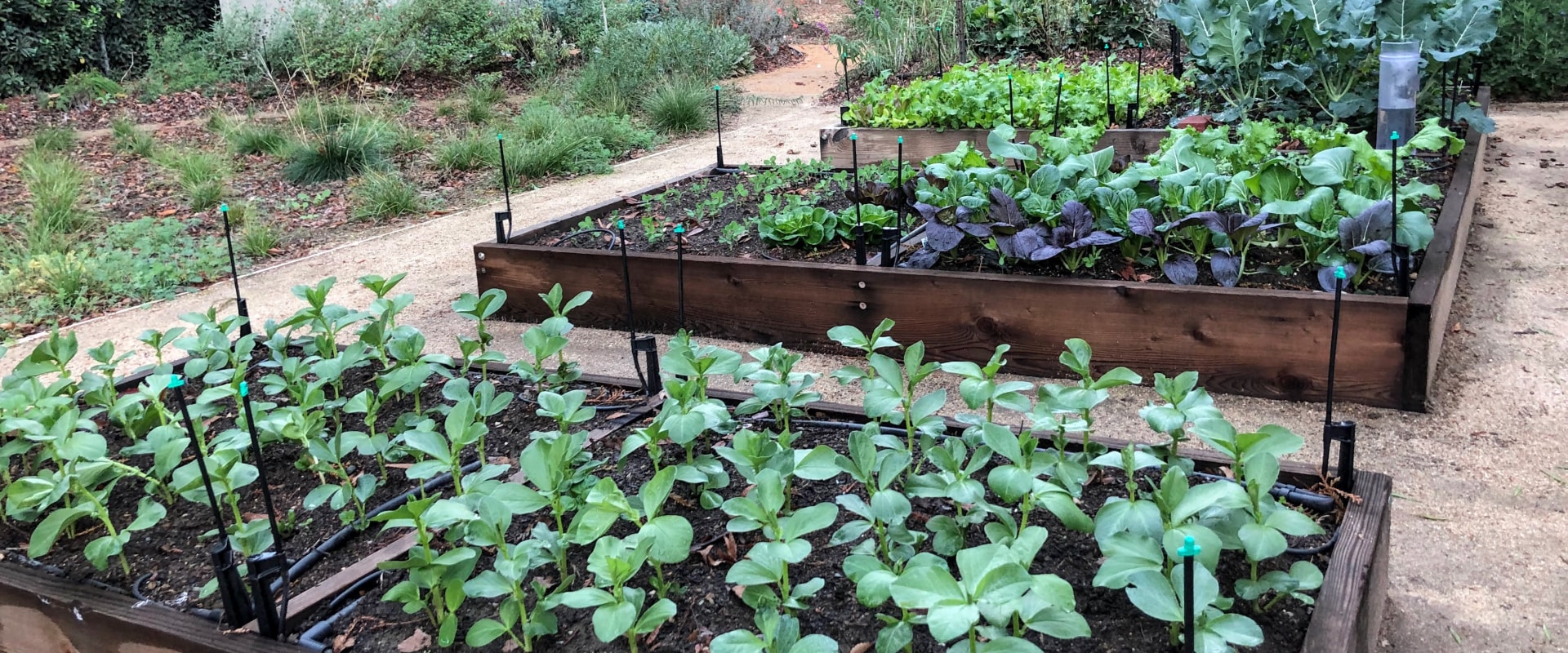
- Irrigation Systems: Depending on your climate and garden size, investing in a drip irrigation system can save water and time.
You will learn which plants thrive in your environment and how to propagate them effectively. This knowledge allows you to save seeds from year to year or even share plants with fellow gardeners.In addition to direct savings on groceries, gardening offers other financial benefits that are often overlooked. For example, homegrown produce is typically fresher and more nutritious than store-bought options. This can lead to improved health outcomes and potentially lower healthcare costs in the long run.Furthermore, gardening can enhance property value.
A well-maintained garden not only beautifies your home but also makes it more appealing to potential buyers should you decide to sell in the future.In conclusion, while there are upfront costs associated with starting a garden, the potential savings on groceries combined with long-term financial benefits make it a worthwhile investment. By budgeting effectively and choosing the right plants for your space and climate, you can enjoy both the financial rewards and personal satisfaction that come from nurturing your own garden.
Health Benefits of Growing Your Own Food
Growing your own food offers a multitude of health benefits that extend beyond just the nutritional value of the produce you cultivate. Engaging in gardening not only provides fresh, organic fruits and vegetables but also contributes significantly to your overall well-being.Nutritional Benefits
Homegrown produce is often more nutritious than store-bought alternatives. When you grow your own fruits and vegetables, you have the ability to harvest them at their peak ripeness, ensuring maximum flavour and nutrient content.
Many store-bought items are picked before they are fully ripe to withstand transportation, which can diminish their nutritional value. By cultivating your own garden, you can enjoy:
- Higher vitamin content: Freshly picked vegetables are rich in essential vitamins and minerals that are crucial for maintaining good health.
- Better taste: Homegrown produce tends to be more flavourful, encouraging healthier eating habits.
- Variety: You can experiment with different varieties of fruits and vegetables that may not be available in local stores, broadening your diet.
Mental Health Benefits
The act of gardening itself can be a powerful tool for enhancing mental health. Numerous studies have shown that spending time outdoors and engaging in physical activity can reduce symptoms of anxiety and depression. Gardening provides a unique combination of both:
- Physical activity: Digging, planting, weeding, and harvesting are all forms of exercise that can improve physical fitness and boost endorphin levels.
- Mindfulness: Tending to plants encourages mindfulness, allowing you to focus on the present moment and reduce stress levels.
- Satisfaction: Watching your plants grow and thrive can instil a sense of accomplishment and purpose, contributing positively to your mental state.
Not only does it provide access to fresh, nutritious produce, but it also promotes mental well-being through physical activity and mindfulness. By investing time in your garden, you are not just cultivating plants; you are nurturing a healthier lifestyle for yourself and your family.
Environmental Impact of Home Gardening
Home gardening offers a multitude of environmental benefits that extend far beyond the immediate joy of growing your own food. One of the most significant advantages is the reduction of your carbon footprint. By cultivating your own fruits and vegetables, you decrease the reliance on commercially produced goods, which often require extensive transportation and packaging.This not only cuts down on greenhouse gas emissions but also lessens the demand for fossil fuels used in agricultural machinery.Moreover, home gardens contribute to sustainability by promoting biodiversity. When you plant a variety of species, you create a habitat for various organisms, including beneficial insects, birds, and other wildlife. This diversity is crucial for maintaining healthy ecosystems, as it helps to balance pest populations and supports pollinators like bees and butterflies. By choosing native plants or heirloom varieties, gardeners can further enhance local biodiversity and contribute to the resilience of their local environment.Another important aspect of home gardening is its role in improving soil health.
Through practices such as composting and crop rotation, gardeners can enrich the soil with organic matter, which enhances its structure and fertility. Healthy soil not only supports plant growth but also plays a vital role in carbon sequestration—capturing carbon dioxide from the atmosphere and storing it in the ground. This process is essential in combating climate change.Additionally, home gardens can help manage water resources more effectively. By implementing techniques such as rainwater harvesting or drip irrigation, gardeners can reduce water waste and ensure that their plants receive adequate moisture without overusing this precious resource.
This is particularly important in areas prone to drought or water scarcity.In summary, engaging in home gardening is not just a personal endeavour; it is a powerful way to contribute to larger ecological goals. By reducing your carbon footprint, promoting biodiversity, enhancing soil health, and managing water resources wisely, you are playing an active role in fostering a more sustainable future for our planet.
Challenges and Considerations in Garden Maintenance
Gardening can be a rewarding endeavour, but it is not without its challenges. Understanding these common gardening problems and how to address them is crucial for maintaining a thriving garden.One of the primary obstacles many gardeners face is time constraints. With busy schedules, it can be difficult to dedicate sufficient time to garden maintenance.To combat this, consider implementing a schedule for your gardening tasks. Breaking down your responsibilities into manageable segments can make the workload feel less overwhelming. For instance, allocate specific days for watering, weeding, and harvesting. Additionally, using mulch can help reduce the frequency of weeding and watering, allowing you to spend less time on maintenance.Pest management is another significant challenge in garden maintenance.
Pests can quickly decimate your plants if not addressed promptly. To minimise pest issues, start by selecting disease-resistant varieties of plants. Regularly inspecting your garden for signs of pests can also help catch infestations early. If you do encounter pests, consider using natural remedies such as neem oil or insecticidal soap, which are less harmful to beneficial insects and the environment.Weather conditions can also pose challenges.
Extreme heat or unexpected frosts can affect plant growth and yield. To protect your plants from harsh weather, consider using row covers or shade cloths during extreme temperatures. Additionally, planting at the right time of year and choosing appropriate varieties for your climate can significantly improve your garden's resilience.Finally, soil health is a critical factor in successful gardening. Poor soil quality can lead to stunted growth and increased susceptibility to diseases.
Regularly testing your soil and amending it with organic matter such as compost can enhance its fertility and structure. This not only supports plant health but also reduces the likelihood of encountering problems down the line.In summary, while there are numerous challenges associated with garden maintenance, understanding these obstacles and implementing effective strategies can lead to a flourishing garden. By managing your time wisely, addressing pest issues proactively, protecting against weather extremes, and ensuring healthy soil, you can overcome these hurdles and enjoy the many benefits of gardening.
Gardening Techniques for Success
To cultivate a thriving garden, employing effective gardening techniques is essential. These methods not only enhance productivity but also contribute to sustainable practices that benefit the environment.Companion Planting
One of the most beneficial techniques is companion planting , which involves growing different plants in proximity for mutual benefit.Certain plants can deter pests, enhance growth, or improve flavour when grown together. For instance, planting marigolds alongside vegetables can repel nematodes and other harmful insects. Similarly, basil is known to enhance the flavour of tomatoes while also repelling flies and mosquitoes.
Crop Rotation
Crop rotation
is another vital practice that helps maintain soil health and reduce pest and disease buildup. By changing the types of crops grown in a particular area each season, you can prevent nutrient depletion and disrupt the life cycles of pests.
For example, following nitrogen-fixing legumes with heavy feeders like corn can replenish soil nutrients naturally.
Organic Pest Control
Utilising organic pest control methods is crucial for maintaining a healthy garden ecosystem. Instead of relying on chemical pesticides, consider introducing beneficial insects such as ladybugs and lacewings that prey on common pests. Additionally, homemade solutions like neem oil or insecticidal soap can effectively manage infestations without harming beneficial organisms.Mulching
Mulching
is an excellent technique for conserving moisture, suppressing weeds, and improving soil quality. Organic materials such as straw, wood chips, or grass clippings can be spread around plants to create a protective layer.
This not only helps retain soil moisture but also adds nutrients as the mulch decomposes.
Regular Maintenance
Lastly, regular maintenance is key to a successful garden. This includes consistent watering, weeding, and monitoring for signs of disease or pest issues. Establishing a routine will help you stay on top of your garden's needs and ensure that it remains productive throughout the growing season.By implementing these effective gardening techniques, you can significantly enhance your garden's productivity while promoting sustainable practices that benefit both your plants and the environment.Community Gardening: A Shared Experience
Community gardening offers a unique opportunity for individuals to come together, fostering not only a sense of belonging but also a shared passion for gardening. These gardens serve as communal spaces where people can cultivate plants, share resources, and exchange knowledge, making the gardening experience richer and more fulfilling.Benefits of Community Gardening
- Social Interaction: One of the most significant advantages of community gardening is the social aspect.
Participants often form friendships and connections with fellow gardeners, creating a supportive network. This interaction can lead to a stronger sense of community and belonging, which is particularly beneficial in urban areas where social isolation can be prevalent.
- Shared Resources: Community gardens allow members to pool their resources, making gardening more accessible. This can include sharing tools, seeds, and even knowledge about best practices. By working together, gardeners can reduce individual costs and increase the overall yield of the garden.
- Learning Opportunities: Joining a community garden provides an excellent platform for learning.
Experienced gardeners often share their expertise with novices, offering tips on everything from soil health to pest management. Workshops and events hosted by community gardens can further enhance members' skills and knowledge.
- Environmental Impact: Community gardens contribute positively to the environment by promoting biodiversity and improving local ecosystems. They can also help reduce urban heat islands and improve air quality, making them valuable assets in urban planning.
Joining a Community Garden
If you're considering joining a community garden, there are several steps you can take to find the right fit:
- Research Local Options: Start by looking for community gardens in your area. Many cities have websites or local organisations that list available gardens.
- Visit Gardens: Before committing, visit potential gardens to get a feel for the atmosphere and meet current members.
This will help you determine if it aligns with your gardening goals and social preferences.
- Understand the Commitment: Each community garden may have different rules regarding participation, maintenance responsibilities, and fees. Make sure you understand what is expected before joining.
Conclusion: Weighing the Worth of Gardening Investment
In conclusion, the question of whether planting a garden is worth the investment is multifaceted and deeply personal. As we have explored throughout this article, the journey of gardening is not merely about the act of planting seeds; it encompasses a range of benefits that extend far beyond the immediate harvest.Firstly, health benefits cannot be overstated.Engaging in gardening promotes physical activity, which is essential for maintaining a healthy lifestyle. The act of digging, planting, weeding, and harvesting provides a form of exercise that can help reduce stress and improve mental well-being. Furthermore, the fresh produce harvested from your garden is often more nutritious than store-bought alternatives, allowing you to enjoy meals rich in vitamins and minerals.Financially, while there are initial costs associated with setting up a garden—such as purchasing soil, seeds, and tools—the long-term savings can be significant. By growing your own fruits and vegetables, you can reduce grocery bills and enjoy high-quality produce without the premium price tag.
Over time, as your gardening skills develop and your garden matures, the return on investment becomes increasingly apparent.Moreover, gardening contributes positively to the environment. It encourages biodiversity by providing habitats for various species and helps combat climate change through carbon sequestration. By choosing to grow your own food, you also reduce your carbon footprint associated with transporting produce from farms to supermarkets.Ultimately, the worth of gardening lies in its ability to enrich our lives in numerous ways. It fosters a connection to nature, promotes sustainability, and offers a rewarding hobby that can be enjoyed alone or with family and friends.
While it requires dedication and ongoing garden maintenance, the rewards—both tangible and intangible—are well worth the effort.As you consider embarking on your gardening journey, remember that every garden is unique. Tailor your approach based on your circumstances, preferences, and available resources. With patience and perseverance, you will find that the investment in gardening pays off in ways you may not have initially anticipated.