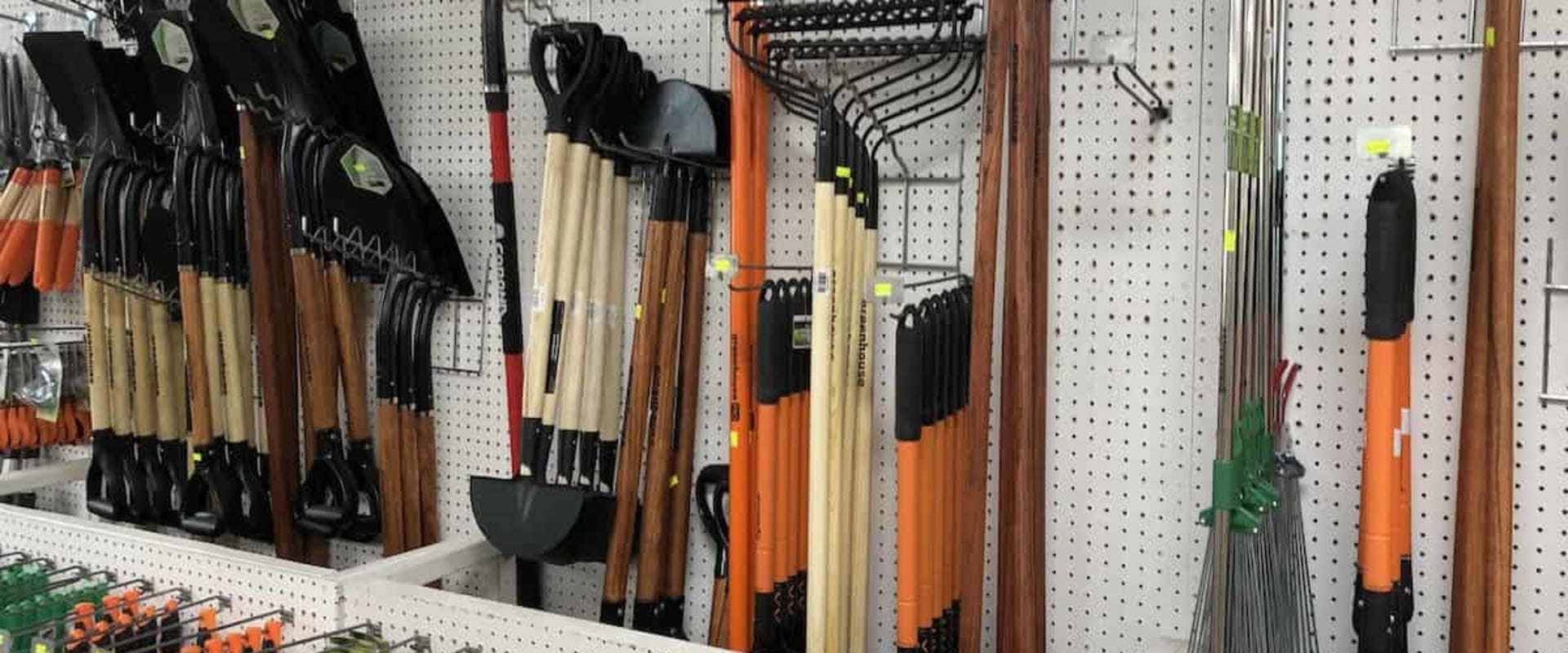
When it comes to garden maintenance, having the right equipment is not just a luxury; it is a necessity. The tools you choose can significantly impact the efficiency and effectiveness of your gardening efforts. Whether you are a seasoned gardener or a novice, understanding the essential garden tools available can transform your outdoor space into a thriving oasis. From simple hand tools to advanced machinery, each piece of equipment plays a vital role in maintaining the health and beauty of your garden.Investing in quality gardening equipment can save you time and effort while ensuring that your plants receive the care they need.
For instance, using the right type of shovel can make digging and planting much easier, while a good pair of pruning shears can help you maintain the shape and health of your shrubs and trees. Moreover, having the appropriate tools at your disposal allows you to tackle various tasks with confidence, whether it’s weeding, planting, or harvesting.Moreover, understanding how to use these tools effectively can enhance your gardening experience. Each tool is designed for specific tasks, and knowing when and how to use them can lead to better results. For example, using a leaf blower instead of a rake can save you hours of work during autumn clean-up, while a quality hose or irrigation system ensures that your plants receive adequate water without the hassle of manual watering.In this article, we will delve into an extensive list of essential garden maintenance equipment that every gardener should consider.
By equipping yourself with the right tools, you not only improve your gardening efficiency but also foster a deeper connection with your outdoor space. Let’s explore the must-have tools that will help you cultivate a flourishing garden.
Essential Hand Tools for Garden Maintenance
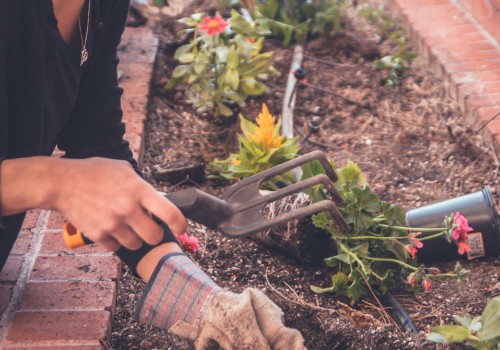
When it comes to garden maintenance, having the right hand tools is essential for achieving a well-kept and thriving garden. These tools not only make gardening tasks easier but also enhance the overall gardening experience. Below are some of the most important hand tools every gardener should consider adding to their toolkit.- Hand Trowel: This versatile tool is indispensable for planting, transplanting, and digging small holes.
A good hand trowel should have a sturdy stainless steel blade that resists rust and a comfortable grip. Look for one with a pointed tip for easier penetration into tough soil. Regularly clean and dry your trowel after use to prevent rusting.
- Pruning Shears: Also known as secateurs, pruning shears are vital for maintaining the health of your plants. They are used for trimming, shaping, and cutting back overgrown branches.
Choose a pair with sharp, durable blades and ergonomic handles to reduce hand fatigue. For best results, clean the blades after each use and oil them periodically to maintain sharpness.
- Garden Fork: A garden fork is perfect for loosening soil, turning compost, and aerating garden beds. Opt for a fork with strong, stainless steel tines that can withstand heavy use. A long handle will provide better leverage, making it easier to break up compacted soil.
After use, clean the fork and store it in a dry place to prevent rust.
- Weeder: This tool is specifically designed to remove weeds from your garden without disturbing surrounding plants. A good weeder features a sharp blade or forked end that can easily penetrate the soil. Look for one with a comfortable handle that allows for precise control while weeding.
- Hand Rake: Ideal for gathering leaves and debris in tight spaces, a hand rake is an essential tool for keeping your garden tidy. Choose one with flexible tines that can easily navigate around plants without causing damage.
Regularly check for any bent tines and replace them if necessary.
Power Tools for Efficient Garden Care
When it comes to garden maintenance, investing in power tools can transform your gardening experience, making it more efficient and less labor-intensive. These tools not only save time but also enhance the quality of your work, allowing you to achieve a well-manicured garden with ease.Lawn Mowers
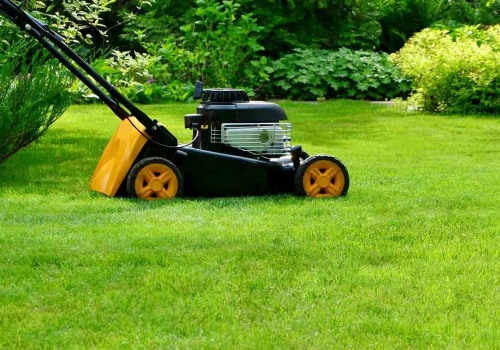
A reliable lawn mower is essential for maintaining a neat and tidy lawn. There are several types of lawn mowers available, each designed to cater to different garden sizes and terrains:- Push Mowers: Ideal for smaller gardens, these mowers require manual effort but offer great control over cutting height.
- Self-Propelled Mowers: These mowers move forward on their own, reducing the physical effort required from the user.
They are perfect for medium-sized lawns.
- Ride-On Mowers: For larger properties, ride-on mowers provide comfort and efficiency, allowing you to cover vast areas quickly.
- Robotic Mowers: An innovative solution for busy gardeners, robotic mowers can be programmed to mow your lawn automatically, ensuring a consistently well-kept appearance.
Leaf Blowers
Another indispensable tool for garden maintenance is the leaf blower. These devices make quick work of clearing leaves and debris from your garden:- Electric Leaf Blowers: Lightweight and easy to use, electric models are perfect for small to medium gardens. They are quieter and require less maintenance than gas-powered options.
- Gas-Powered Leaf Blowers: More powerful than their electric counterparts, these are suitable for larger gardens or commercial use.
However, they tend to be heavier and noisier.
- Backpack Leaf Blowers: Designed for extended use, these models distribute weight evenly across your back, making them comfortable for prolonged periods of operation.
Other Electric Garden Tools
In addition to lawn mowers and leaf blowers, there are various other electric tools that can enhance your gardening efforts:- E-String Trimmers: Perfect for edging and trimming grass in hard-to-reach areas where a mower cannot go.
- E-Hedge Trimmers: These tools allow you to shape and maintain hedges with precision while reducing the physical strain associated with manual trimming.
- E-Pruners: Ideal for cutting branches and stems quickly and efficiently, electric pruners can significantly reduce the effort required during pruning tasks.
Garden Maintenance Equipment for Soil Care
Maintaining healthy soil is crucial for a thriving garden, as it serves as the foundation for plant growth. Healthy soil not only provides essential nutrients but also supports water retention and promotes beneficial microbial activity. To achieve optimal soil conditions, a variety of specialized tools are available to assist gardeners in their soil care efforts.Aerators
Aeration is a vital process that involves perforating the soil with holes to allow air, water, and nutrients to penetrate deeper into the ground. This practice helps alleviate soil compaction, which can hinder root growth and water absorption.There are two main types of aerators:
- Spike Aerators: These tools create holes in the soil by pushing spikes into the ground. While they are effective for light aeration, they do not remove any soil.
- Core Aerators: More effective than spike aerators, core aerators remove small plugs of soil from the ground. This method not only aerates but also improves drainage and encourages root development.
Tillers
Tillers are essential for breaking up compacted soil and preparing garden beds for planting. They work by turning over the top layer of soil, mixing in organic matter such as compost or mulch, which enhances soil fertility.There are two primary types of tillers:
- Manual Tillers: These hand-operated tools are ideal for small gardens or raised beds. They require physical effort but offer precise control over the tilling process.
- Rototillers: Powered by gas or electricity, rototillers are suitable for larger areas. They can quickly break up hard soil and save time and energy compared to manual options.
Soil Shovels
A versatile tool in any gardener's arsenal, soil shovels are designed for digging, lifting, and moving soil. They come in various shapes and sizes, making them suitable for different tasks:- Pointed Shovels: Ideal for breaking through tough ground or digging deep holes, these shovels have a sharp tip that penetrates hard soil easily.
- Square Shovels: Best for scooping and transferring loose materials like mulch or compost, square shovels provide a larger surface area for efficient movement.
By investing in quality aerators, tillers, and shovels, you can ensure that your garden thrives year after year.
Watering Tools: Keeping Your Garden Hydrated
Watering is a fundamental aspect of garden maintenance, ensuring that plants receive the moisture they need to thrive. The right tools can make this task more efficient and effective, allowing you to conserve water while keeping your garden lush and healthy. Below, we explore various watering tools that are essential for any gardener.Garden Hoses
A garden hose is a versatile tool that every gardener should have. Available in various lengths and materials, hoses can be used for everything from watering plants to cleaning garden tools.When selecting a hose, consider the following:
- Material: Hoses are typically made from rubber, vinyl, or a combination of both. Rubber hoses are more durable and resistant to kinks, while vinyl hoses are lighter and easier to handle.
- Length: Choose a length that suits your garden size. A longer hose allows you to reach distant areas without needing multiple connections.
- Diameter: Hoses come in different diameters, affecting water flow. A wider diameter allows for greater water flow, which is beneficial for larger gardens.
Sprinklers
Sprinklers are an excellent choice for watering larger areas efficiently.They distribute water evenly across your garden, reducing the risk of overwatering or underwatering specific spots. There are several types of sprinklers:
- Oscillating Sprinklers: These sprinklers move back and forth, covering rectangular areas effectively. They are ideal for lawns and flower beds.
- Rotary Sprinklers: These feature rotating heads that spray water in a circular pattern, making them suitable for larger gardens.
- Soaker Hoses: These hoses release water slowly along their length, providing deep watering directly to the roots of plants. They are particularly useful for vegetable gardens.
Irrigation Systems
For those looking for a more automated solution, an irrigation system can be a game-changer.These systems can be tailored to your garden's specific needs and can save time and water:
- Drip Irrigation: This system delivers water directly to the base of plants through a network of tubing and emitters. It minimizes evaporation and runoff, making it highly efficient.
- Spray Irrigation: Similar to traditional sprinklers but often more customizable, spray irrigation systems can be programmed to water at specific times and durations.
- Smart Irrigation Controllers: These devices use weather data to adjust watering schedules automatically, ensuring your garden receives the right amount of water without waste.
Garden Waste Management Tools
Effective garden waste management is crucial for maintaining a healthy and sustainable garden. Properly managing garden debris not only keeps your outdoor space tidy but also contributes to the overall health of your plants and the environment.By utilising the right tools, you can efficiently compost organic waste, reduce landfill contributions, and create nutrient-rich soil for your garden.
Composting Tools
Composting is an excellent way to recycle garden waste, turning it into valuable organic matter that enriches your soil. To start composting, consider investing in a few essential tools:- Compost Bin: A sturdy compost bin is essential for containing your organic waste. Choose one that suits your space and needs, whether it’s a simple open bin or a more sophisticated tumbling composter that speeds up the decomposition process.
- Garden Fork: A garden fork is invaluable for aerating your compost pile. Regular turning helps to speed up decomposition by introducing oxygen, which is vital for the microorganisms that break down the material.
- Compost Thermometer: Monitoring the temperature of your compost can help you understand how well it’s breaking down.
A thermometer will indicate when the pile is too hot or too cold, allowing you to adjust conditions accordingly.
Shredders
Garden shredders are powerful tools designed to reduce large branches, leaves, and other organic materials into smaller pieces. This not only makes disposal easier but also accelerates the composting process by increasing the surface area of the material. When selecting a shredder, consider:- Electric vs. Gas Shredders: Electric shredders are quieter and more environmentally friendly, while gas models tend to be more powerful and suitable for larger jobs.
- Chipper/Shredder Combo: Some machines offer both shredding and chipping capabilities, allowing you to handle a wider variety of garden waste.
Rakes
A good rake is an essential tool for any gardener looking to manage waste effectively.Rakes come in various types, each suited for different tasks:
- Leaf Rake: Ideal for gathering fallen leaves and light debris, leaf rakes have flexible tines that make it easy to collect large piles without damaging your lawn.
- Bow Rake: This type of rake features sturdy metal tines and is perfect for leveling soil or moving heavier materials like gravel or mulch.
Safety Gear for Garden Maintenance
Gardening is a rewarding and fulfilling activity, but it can also pose various risks if proper safety measures are not taken. Investing in gardening safety gear is essential to protect yourself from potential injuries while maintaining your garden. Below are some key items that every gardener should consider incorporating into their gardening routine.- Gloves: A good pair of gardening gloves is crucial for protecting your hands from cuts, scrapes, and blisters.
Look for gloves made from durable materials that offer both flexibility and grip. Leather gloves are excellent for heavy-duty tasks, while nitrile-coated gloves provide a good balance of dexterity and protection against thorns and sharp objects.
- Knee Pads: Gardening often involves kneeling for extended periods, which can lead to discomfort or injury. Investing in knee pads can significantly reduce strain on your knees. Choose pads with cushioning and a non-slip surface to ensure stability while working on the ground.
- Protective Clothing: Wearing appropriate clothing is vital for safeguarding your skin from sun exposure, insect bites, and scratches from plants.
Long-sleeved shirts and trousers made from breathable fabrics can help shield you from harmful UV rays while keeping you cool. Additionally, consider wearing a wide-brimmed hat to protect your face and neck.
- Safety Glasses: If you’re using power tools or working with materials that could produce flying debris, wearing safety glasses is essential. They protect your eyes from dust, splinters, and other hazards that could cause serious injury.
- Sturdy Footwear: Proper footwear is often overlooked but is critical for maintaining safety in the garden. Choose sturdy shoes or boots with good traction to prevent slips and falls on uneven terrain.
Waterproof options are also beneficial when working in wet conditions.
Seasonal Garden Maintenance Equipment Checklist
Maintaining a garden requires different tools and equipment throughout the year, as each season brings its own unique challenges and tasks. Here’s a comprehensive checklist of essential garden maintenance equipment tailored for each season, ensuring you are well-prepared to keep your garden thriving.Spring Maintenance Tools
- Hand Trowel: Perfect for planting new seedlings and transplanting young plants, a sturdy hand trowel is indispensable during spring.
- Pruning Shears: As plants begin to bloom, pruning shears are essential for trimming back dead or overgrown branches to promote healthy growth.
- Garden Fork: Use a garden fork to aerate the soil, allowing nutrients and water to penetrate deeper, which is crucial for spring planting.
- Lawn Mower: With grass growing rapidly, a reliable lawn mower is necessary to maintain a neat and healthy lawn.
- Weed Puller: Early spring is the best time to tackle weeds before they take hold; a weed puller can help remove them effectively.
Summer Maintenance Tools
- Hose with Sprinkler Attachment: Keeping your garden hydrated during hot summer months is vital. A hose with a sprinkler attachment allows for efficient watering.
- Leaf Blower: Ideal for clearing away debris and fallen leaves, especially after summer storms.
- Garden Hoe: Use a hoe to cultivate the soil and control weeds in your flower beds and vegetable patches.
Autumn Gardening Equipment
- Rake: A sturdy rake is essential for gathering fallen leaves and preparing your garden for winter.
- Garden Shredder: Shredding leaves and garden waste not only reduces bulk but also creates mulch that can be used in your garden beds.
- Tarp: A large tarp can be useful for collecting leaves and debris, making clean-up easier.
Winter Preparation Tools
- Mulching Fork: Use this tool to spread mulch around plants, protecting them from frost and maintaining soil temperature.
- Cold Frame or Greenhouse: If you want to extend your growing season, consider investing in a cold frame or greenhouse to protect tender plants from harsh winter conditions.
By preparing in advance, you can enjoy a flourishing garden no matter the season.
FAQs About Garden Maintenance Equipment
When it comes to garden maintenance, having the right equipment is essential for achieving a thriving outdoor space. Below are some frequently asked questions that can help you navigate the world of gardening tools and equipment.What are the essential tools for garden maintenance?
Every gardener should have a basic set of tools to effectively maintain their garden. Essential tools include:- Hand Trowel: Perfect for planting, transplanting, and digging small holes.
- Pruning Shears: Ideal for trimming and shaping plants, as well as removing dead or overgrown branches.
- Lawn Mower: Necessary for keeping your grass at a manageable height.
- Rake: Useful for gathering leaves and debris, as well as leveling soil.
- Garden Fork: Great for turning soil and aerating garden beds.
How do I choose the right tools for my garden?
Selecting the right tools depends on several factors:- Garden Size: Larger gardens may require more robust equipment, such as a riding mower or a larger rake.
- Type of Plants: Consider the specific needs of your plants; delicate flowers may require finer tools, while shrubs may need heavier-duty pruners.
- Your Physical Capability: Choose tools that are comfortable to use and suit your strength; ergonomic designs can reduce strain during prolonged use.
How often should I maintain my garden tools?
Regular maintenance of your gardening tools is crucial to ensure their longevity and effectiveness. Here are some tips:- Cleansing: Clean your tools after each use to remove dirt and sap, which can cause rust.
- Sharpening: Keep blades sharp for efficient cutting; dull blades can damage plants.
- Storage: Store tools in a dry place to prevent rust and damage; consider hanging them up or using a tool rack.
The right knowledge combined with the right equipment can transform your gardening experience!
Conclusion: Investing in Your Gardening Success
In conclusion, investing in quality garden maintenance equipment is essential for any gardener looking to cultivate a thriving outdoor space. The right tools not only enhance your gardening experience but also significantly improve the health and appearance of your garden. As we have explored throughout this article, each piece of equipment plays a vital role in various aspects of garden care, from planting and pruning to watering and maintaining soil health.When selecting tools, consider their durability, functionality, and how they fit into your gardening style. For instance, a reliable hand trowel is indispensable for planting and transplanting, while a sturdy rake can help you manage leaves and debris effectively.Additionally, investing in ergonomic tools can reduce strain on your body, making gardening a more enjoyable activity.Moreover, the importance of regular maintenance for your tools cannot be overstated. Keeping your equipment clean and well-maintained ensures longevity and optimal performance. Simple practices such as sharpening blades, cleaning dirt off tools after use, and storing them in a dry place can make a significant difference.Furthermore, as you expand your gardening knowledge and skills, you may find that certain tools become more essential than others. For example, if you decide to grow a wider variety of plants or start a vegetable garden, you might need additional equipment like a soil aerator or a compost bin.
Therefore, it’s wise to continually assess your gardening needs and invest in new tools as required.Ultimately, the investment in quality garden maintenance equipment pays off in the form of healthier plants, increased productivity, and a more enjoyable gardening experience. By equipping yourself with the right tools and knowledge, you set the stage for success in your gardening endeavours.