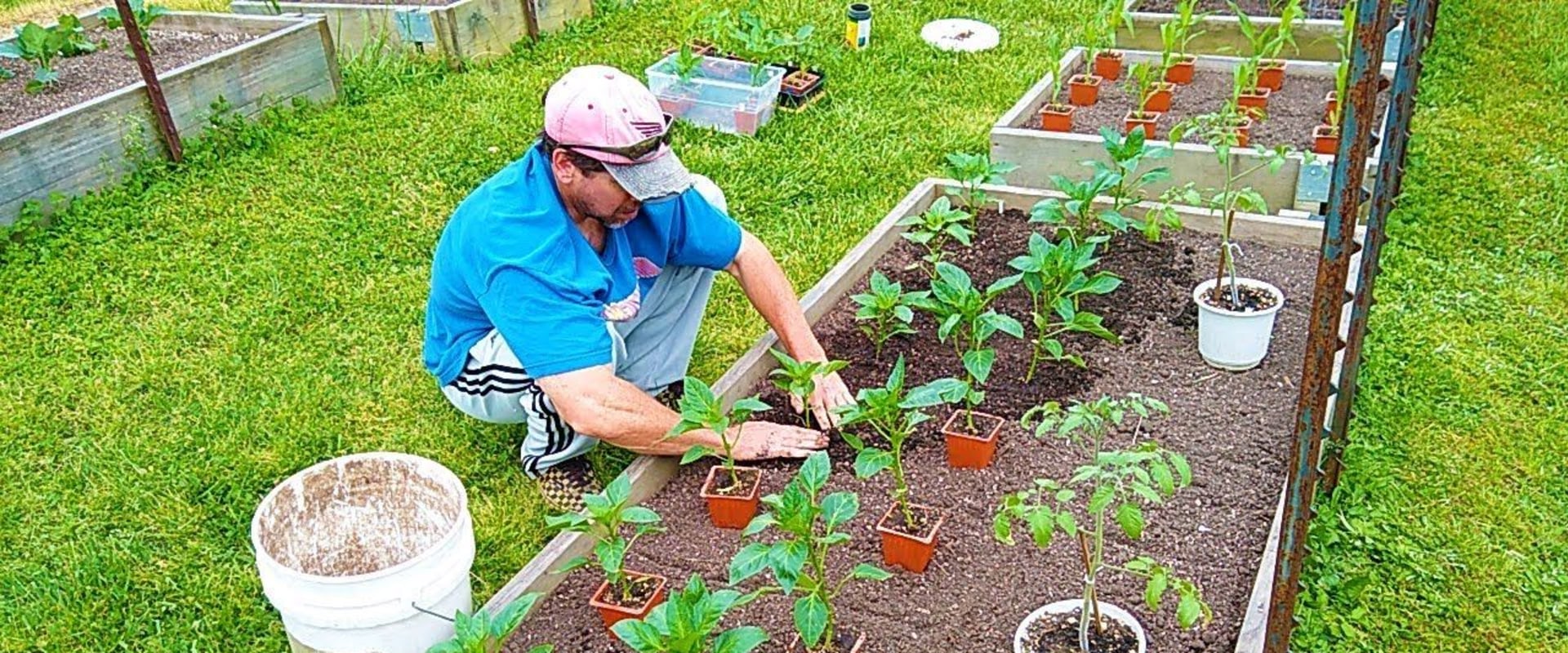
Gardening is more than just a hobby; it is a fulfilling activity that connects us with nature and provides numerous benefits for both our physical and mental well-being. Whether you have a sprawling backyard or a small balcony, starting a garden can transform your space into a vibrant oasis filled with life. The act of nurturing plants not only beautifies your environment but also offers the rewarding experience of growing your own fruits, vegetables, and herbs. As you embark on this journey, understanding the fundamentals of garden maintenance is crucial to ensure your plants thrive and can even lead to exciting job offers in the field of horticulture or landscaping.For beginners, the prospect of starting a garden may seem daunting, but it can be broken down into manageable steps. is crucial to ensure your plants thrive and can even lead to exciting job offers in the field of horticulture or landscaping.For beginners, the prospect of starting a garden may seem daunting, but it can be broken down into manageable steps.
From selecting the right location to understanding soil types and plant needs, each aspect plays a vital role in the success of your garden. Moreover, proper garden maintenance practices are essential to keep your plants healthy and productive throughout the growing season. Regular tasks such as watering, weeding, and pest control not only enhance the growth of your plants but also prevent potential issues that could hinder their development.In this guide, we will explore various gardening tips tailored for beginners, ensuring you have all the knowledge needed to cultivate a flourishing garden. By learning about the specific requirements of different plants and how to care for them effectively, you will gain confidence in your gardening abilities.
Remember, every gardener starts somewhere, and with patience and dedication, you can create a thriving green space that brings joy and sustenance to your life.
Understanding Your Garden Space
Choosing the right location for your garden is a fundamental step that can significantly influence its success. Several factors come into play when selecting the ideal garden space, including sunlight exposure, accessibility, and soil quality.Sunlight Requirements
Most plants require a minimum of six hours of direct sunlight each day to thrive. Therefore, it’s essential to observe your potential garden area throughout the day to determine how much sunlight it receives. Here are some tips to help you assess sunlight exposure:
- Morning Sun: Areas that receive morning sunlight are often preferable as they warm up quickly and help dry dew, reducing the risk of fungal diseases.
- Afternoon Sun: While many plants can tolerate afternoon sun, be cautious of areas that may become too hot during peak hours, especially in summer.
- Shaded Areas: If your garden space has shaded spots, consider planting shade-tolerant plants such as ferns or hostas.
Accessibility
Your garden should be easily accessible for regular maintenance tasks such as watering, weeding, and harvesting.
Consider the following:
- Proximity: Choose a location close to your home to encourage frequent visits and care.
- Pathways: Ensure there are clear pathways to navigate through your garden without trampling on plants.
Soil Quality
The quality of the soil in your chosen location is crucial for plant health. Conduct a soil test to determine its pH and nutrient levels. Here are some aspects to consider:
- Drainage: Well-draining soil is vital; avoid areas where water tends to pool after heavy rain.
- Nutrient Content: Enrich poor soil with organic matter such as compost or well-rotted manure to improve fertility.
Choosing the Right Plants for Your Garden
Choosing the right plants for your garden is a crucial step in ensuring its success and sustainability.The selection process should be guided by several factors, including your local climate, soil type, and personal preferences.
Understanding Your Climate
Your climate zone plays a significant role in determining which plants will thrive in your garden. The United Kingdom has a diverse range of climates, from temperate maritime to more continental conditions. To make informed choices, consult the Royal Horticultural Society (RHS) climate zone map, which categorises regions based on temperature and rainfall patterns. This will help you select plants that are well-suited to your environment.
Assessing Soil Type
The type of soil in your garden can greatly influence plant growth.
Conduct a simple soil test to determine its pH level and texture. Here are the main soil types:
- Sandy Soil: Drains quickly but may require more frequent watering and nutrient amendments.
- Clay Soil: Retains moisture but can become compacted; consider plants that tolerate wet conditions.
- Silty Soil: Rich in nutrients and retains moisture well, making it ideal for a variety of plants.
- Loamy Soil: A balanced mix of sand, silt, and clay; often considered the best type for gardening.
Selecting Plants Based on Personal Preferences
Your personal taste should also guide your plant selection. Consider the following:
- Purpose: Are you looking to grow vegetables, flowers, or ornamental plants? Each category has specific varieties that may suit your needs.
- Aesthetics: Think about colour schemes and plant heights to create visual interest in your garden.
- Maintenance Level: Some plants require more care than others. If you're a beginner, opt for low-maintenance varieties such as marigolds, zinnias, or herbs.
Best Plants for Beginners
If you're new to gardening, consider starting with these easy-to-grow options:
- Lettuce: Quick to germinate and can be harvested multiple times.
- Radishes: Fast-growing and perfect for impatient gardeners.
- Pansies: Hardy flowers that add colour with minimal effort.
- Basil: A fragrant herb that thrives in sunny spots and enhances culinary dishes.
Preparing Your Soil for Planting
Preparing your soil is a crucial step in establishing a thriving garden.Healthy soil not only supports plant growth but also enhances the overall productivity of your garden. Here’s how to effectively prepare your soil for planting.
Soil Testing
Before you begin any soil preparation, it’s essential to understand the current condition of your soil. Conducting a soil test will provide valuable insights into its pH level, nutrient content, and organic matter percentage. You can purchase a soil testing kit from a garden centre or send a sample to a local agricultural extension service for analysis.- pH Level: Most plants thrive in slightly acidic to neutral soil (pH 6.0 to 7.0).
If your soil is too acidic or alkaline, you may need to amend it accordingly.
- Nutrient Content: The test will reveal levels of essential nutrients such as nitrogen, phosphorus, and potassium. This information will guide you in selecting the right fertilisers or amendments.
- Organic Matter: A healthy level of organic matter improves soil structure and moisture retention. Aim for at least 5% organic matter in your soil.
Improving Soil Quality
Once you have the results from your soil test, you can take steps to improve its quality. Here are some effective methods:- Add Organic Matter: Incorporating organic materials such as compost, well-rotted manure, or leaf mould can significantly enhance soil fertility and structure.
Spread a layer of organic matter about 2-4 inches thick over the soil surface and mix it into the top 6-8 inches of soil.
- Adjust pH Levels: If your soil test indicates an imbalance in pH, you can amend it by adding lime to raise pH or sulphur to lower it. Follow the recommendations based on your test results.
- Aerate the Soil: Compacted soil can hinder root growth and water absorption. Use a garden fork or aerator to loosen compacted areas, allowing air and nutrients to penetrate deeper into the soil.
- Mulching: After planting, apply a layer of mulch around your plants. This helps retain moisture, suppress weeds, and gradually adds organic matter as it breaks down.
Healthy soil leads to robust plants that are more resilient against pests and diseases, ultimately resulting in a bountiful harvest.
Planting Your Seeds or Seedlings
Once you have prepared your garden bed and selected the right seeds or seedlings, the next crucial step is to plant them effectively. This process involves careful consideration of spacing, depth, and ongoing care to ensure healthy growth.Planting Seeds
When planting seeds, it’s essential to follow the specific guidelines for each type of seed, as they can vary significantly. Here are some general steps to consider:- Check the Seed Packet: Each seed packet contains vital information regarding planting depth and spacing. Follow these instructions closely for optimal results.
- Prepare the Soil: Ensure that the soil is loose and well-aerated.
You can achieve this by gently tilling the top few inches of soil.
- Create Furrows or Holes: Depending on the seed type, create furrows or individual holes at the recommended depth. A good rule of thumb is to plant seeds at a depth that is two to three times their diameter.
- Spacing: Maintain adequate spacing between seeds to allow for air circulation and growth. Crowding can lead to competition for nutrients and sunlight.
- Sow the Seeds: Place seeds in the prepared holes or furrows, then cover them lightly with soil. Gently pat down the soil to eliminate air pockets.
- Watering: After planting, water the area gently but thoroughly to settle the soil around the seeds.
Avoid overwatering, as this can lead to seed rot.
Transplanting Seedlings
If you are transplanting seedlings, follow these steps for a successful transition:- Select Healthy Seedlings: Choose robust seedlings that are free from disease and pests. Look for strong stems and healthy leaves.
- Harden Off: Before transplanting, acclimatise your seedlings to outdoor conditions by gradually exposing them to sunlight and wind over a week or two.
- Dig Holes: Prepare holes in your garden bed that are slightly larger than the root ball of each seedling. This will give roots room to spread out.
- Planting Depth: Place each seedling in its hole at the same depth it was growing in its container. Planting too deep can suffocate the plant.
- Fill and Firm: Fill in around the roots with soil, ensuring there are no air pockets.
Firm the soil gently around the base of the plant.
- Water Thoroughly: Water each transplanted seedling well after planting to help settle the soil and provide moisture for root establishment.
Watering Your Garden: Best Practices
Watering your garden effectively is crucial for the health and vitality of your plants. Different plants have varying water requirements, and understanding these needs is essential for successful garden maintenance.Here are some best practices to ensure your garden receives the right amount of water.
Understanding Watering Techniques
There are several techniques you can employ to water your garden efficiently:- Drip Irrigation: This method delivers water directly to the roots of plants through a network of tubing and emitters. It minimizes evaporation and runoff, making it an efficient choice for conserving water.
- Soaker Hoses: These porous hoses allow water to seep out slowly along their length, providing a gentle watering method that is ideal for flower beds and vegetable gardens.
- Hand Watering: Using a watering can or hose gives you control over how much water each plant receives. This method is particularly useful for small gardens or container plants.
- Sprinkler Systems: Automated sprinkler systems can cover large areas but should be used with caution to avoid overwatering. Adjust the settings based on the weather and plant needs.
Creating a Watering Schedule
A well-planned watering schedule is vital for maintaining healthy plants.Here are some tips to help you establish an effective routine:
- Assess Soil Moisture: Before watering, check the soil moisture by digging a small hole or using a moisture meter. If the top 2-3 inches of soil are dry, it’s time to water.
- Water Early or Late: The best times to water are early in the morning or late in the evening when temperatures are cooler. This reduces evaporation and allows plants to absorb more moisture.
- Frequency of Watering: Most gardens benefit from deep watering once a week, but this can vary based on plant type, soil conditions, and weather. During hot spells, you may need to increase frequency.
- Adjust for Rainfall: Keep an eye on weather forecasts and adjust your watering schedule accordingly.
If rain is expected, reduce or skip your watering session.
Mulching and Weed Control Strategies
Mulching is an essential practice in garden maintenance that offers numerous benefits for both the soil and the plants. By applying a layer of material on the soil surface, you can significantly improve the health of your garden while also reducing the workload associated with weed control.Benefits of Mulching
- Moisture Retention: One of the primary advantages of mulching is its ability to retain soil moisture. A thick layer of mulch helps to reduce evaporation, ensuring that your plants have consistent access to water, especially during dry spells.
- Temperature Regulation: Mulch acts as an insulating layer, helping to keep the soil temperature stable.
This is particularly beneficial in extreme weather conditions, as it protects plant roots from heat stress in summer and frost damage in winter.
- Weed Suppression: By blocking sunlight from reaching the soil, mulch effectively inhibits weed growth. This means less competition for nutrients and water for your plants, leading to healthier growth.
- Soil Improvement: Organic mulches, such as wood chips or straw, break down over time, adding valuable nutrients back into the soil and improving its structure.
Weed Control Methods
Effective weed management is crucial for maintaining a productive garden. Here are some strategies to consider:
- Hand Weeding: Regularly inspect your garden and remove weeds by hand. It’s best to pull them out when they are young and before they set seed.
Ensure you remove the entire root to prevent regrowth.
- Mulching: As previously mentioned, applying a layer of mulch not only suppresses weeds but also enhances soil health. Aim for a thickness of 2 to 4 inches for optimal results.
- Landscape Fabric: For areas where you want to prevent weeds while allowing water and nutrients to penetrate, consider using landscape fabric. This can be particularly effective in flower beds or around shrubs.
- Cultivation: Lightly cultivating the soil can disrupt weed growth. However, be cautious not to disturb the roots of your existing plants.
- Organic Herbicides: If weeds become overwhelming, consider using organic herbicides made from natural ingredients.
These can be effective while being less harmful to beneficial insects and plants.
Fertilising Your Garden: When and How?
Fertilising your garden is a crucial aspect of garden maintenance that directly influences the health and productivity of your plants. Understanding when and how to fertilise can make a significant difference in achieving a thriving garden.Understanding Fertiliser Types
Before diving into a fertilisation schedule, it’s essential to know the different types of fertilisers available:- Organic Fertilisers: These are derived from natural sources such as compost, manure, and bone meal. They improve soil structure and provide a slow release of nutrients.
- Inorganic Fertilisers: These are synthetic products that offer a quick nutrient boost.
They are often high in specific nutrients like nitrogen, phosphorus, and potassium (NPK).
- Slow-Release Fertilisers: These are designed to release nutrients gradually over time, reducing the frequency of application.
- Liquid Fertilisers: These can be applied directly to the soil or as a foliar spray, providing immediate nutrient availability.
When to Fertilise
The timing of fertilisation is just as important as the type you choose. Here are some guidelines:- Spring: This is typically the best time to apply fertiliser as plants begin their active growth phase. A balanced fertiliser can help kickstart their development.
- Mid-Season: For heavy feeders like tomatoes and peppers, an additional application in mid-summer can replenish nutrients that have been depleted.
- Autumn: Applying a slow-release fertiliser in autumn can prepare your plants for winter by strengthening their root systems.
Creating a Fertiliser Schedule
A well-planned fertiliser schedule can enhance your garden's productivity. Here’s a simple approach:- Test Your Soil: Before applying any fertiliser, conduct a soil test to determine nutrient levels and pH balance.
- Select the Right Fertiliser: Based on your soil test results, choose a fertiliser that addresses any deficiencies.
- Follow Application Guidelines: Adhere to the recommended rates on the fertiliser packaging to avoid over-fertilisation, which can harm plants and leach into waterways.
- Monitor Plant Health: Keep an eye on your plants for signs of nutrient deficiency or excess, adjusting your schedule as necessary.
Regularly revisiting your fertilisation strategy will help maintain optimal soil health and plant vitality.
<strong>Seasonal Garden Maintenance Tasks</strong>
Maintaining a garden throughout the seasons is crucial for ensuring its health and productivity. Each season brings unique tasks that help keep your garden thriving. Here’s a breakdown of essential seasonal garden maintenance tasks to consider:Spring Maintenance
- Soil Preparation: As the frost melts, it’s time to prepare your soil. Test the pH and nutrient levels, and amend the soil with organic matter such as compost or well-rotted manure to enhance fertility.
- Weed Control: Early spring is ideal for tackling weeds before they establish.
Regularly check for emerging weeds and remove them by hand or with a hoe.
- Planting: This is the season for sowing seeds and transplanting seedlings. Choose plants suited to your climate zone and ensure they are planted at the correct depth.
Summer Maintenance
- Watering: During hot months, consistent watering is vital. Aim to water deeply and less frequently to encourage deep root growth. Early morning is the best time to water to reduce evaporation.
- Pest Management: Keep an eye out for pests that can damage your plants.
Use organic methods such as introducing beneficial insects or applying insecticidal soap when necessary.
- Mulching: Apply a layer of organic mulch around plants to retain moisture, suppress weeds, and regulate soil temperature.
Autumn Maintenance
- Harvesting: As crops mature, ensure you harvest them promptly to encourage further production and prevent overripening.
- Soil Enrichment: After harvesting, consider planting cover crops or adding compost to enrich the soil for the next growing season.
- Garden Cleanup: Remove any dead plant material and debris to prevent disease and pests from overwintering in your garden.
winter Maintenance
- Planning: Use this time to plan for the next growing season. Research new plants, design your layout, and order seeds.
- Tool Care: Clean and sharpen your gardening tools to ensure they are ready for use in spring.
- Protection: If you live in a colder climate, consider protecting sensitive plants with mulch or frost cloths during harsh weather.