Garden maintenance is a vital aspect of horticulture that encompasses a variety of tasks aimed at ensuring the health and beauty of your outdoor space. It involves regular care routines such as watering, pruning, weeding, and fertilising, all of which contribute to the overall vitality of plants and the aesthetic appeal of the garden. Understanding the fundamentals of garden maintenance is essential for both novice and experienced gardeners alike, as it lays the groundwork for a thriving landscape.The importance of garden maintenance cannot be overstated. A well-maintained garden not only enhances the visual appeal of your property but also promotes plant health and biodiversity.
Regular upkeep helps prevent pest infestations and diseases, which can devastate plants if left unchecked. Moreover, a tidy garden can significantly increase property value, making it an attractive feature for potential buyers. By investing time and effort into maintaining your garden, you create a welcoming environment that can be enjoyed by family and friends throughout the year.At its core, garden care basics involve understanding the specific needs of your plants and soil. This includes knowing when to water, how much sunlight different species require, and what types of nutrients are necessary for optimal growth.
Additionally, seasonal tasks such as mulching in the spring or winterising perennials are crucial for protecting plants from harsh weather conditions. By familiarising yourself with these essential practices, you can cultivate a garden that not only flourishes but also brings joy and satisfaction to your life.
Essential Garden Maintenance Tasks
Maintaining a garden is not just about aesthetics; it plays a crucial role in the health and productivity of your plants. Here are some essential garden maintenance tasks that every gardener should incorporate into their routine:- Watering: Proper watering is fundamental to plant health. It’s best to water early in the morning or late in the afternoon to minimise evaporation.
Ensure that you water deeply and less frequently, encouraging roots to grow deeper into the soil.
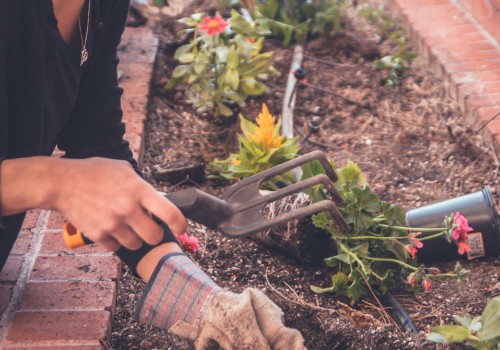
- Weeding: Weeds compete with your plants for nutrients, water, and light. Regularly inspect your garden for unwanted plants and remove them by hand or with a hoe. Mulching can also help suppress weed growth.
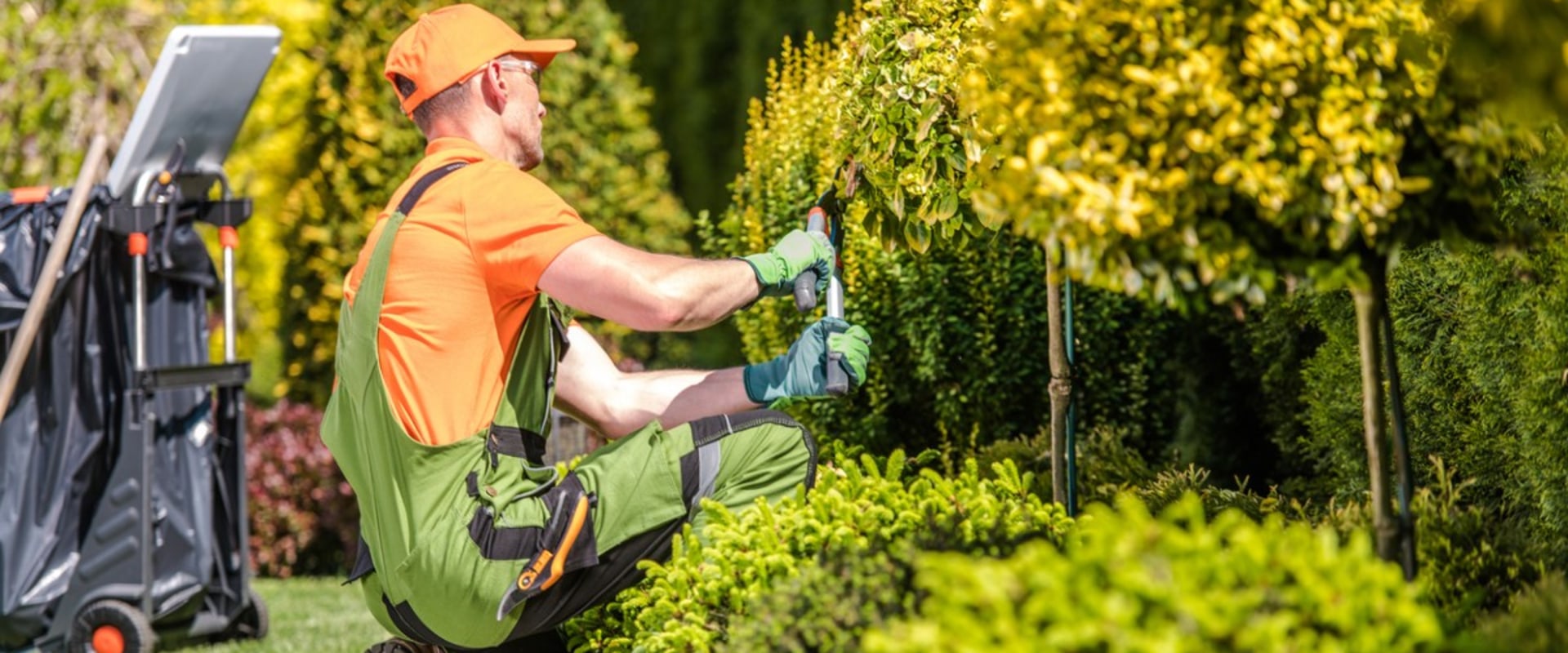
- Pruning: This task involves trimming back overgrown branches and dead foliage to promote healthy growth. Pruning not only shapes your plants but also improves air circulation, reducing the risk of disease.
- Fertilising: Providing your plants with the right nutrients is essential for their growth.
Use organic fertilisers or compost to enrich the soil. A monthly schedule can help maintain nutrient levels, especially during the growing season.
- Pest Control: Regularly check for signs of pests or diseases. Early detection is key to managing infestations effectively. Consider using natural remedies or introducing beneficial insects to keep harmful pests at bay.
- Mulching: Applying a layer of mulch around your plants helps retain moisture, suppress weeds, and regulate soil temperature.
Organic mulches, such as bark chips or straw, also improve soil quality as they decompose.
Seasonal Garden Maintenance Guide
Maintaining a garden throughout the year requires careful planning and attention to seasonal changes. Each season presents unique challenges and opportunities for your garden, making it essential to adapt your maintenance routine accordingly. Below is a month-by-month breakdown of key tasks to ensure your garden thrives all year round.Spring (March - May)
- March: As the weather begins to warm, start by cleaning up your garden beds.
Remove any debris, dead leaves, and weeds that have accumulated over winter. This is also the perfect time to prune any dormant plants and shrubs.
- April: Begin planting early spring flowers such as pansies and primroses. Consider sowing seeds for vegetables like peas and radishes. Ensure you apply a balanced fertiliser to promote healthy growth.
- May: As temperatures rise, focus on planting summer annuals and perennials.
Regularly check for pests and diseases, and apply organic treatments if necessary. Don’t forget to mulch around your plants to retain moisture.
Summer (June - August)
- June: Watering becomes crucial during the hotter months. Aim for deep watering sessions early in the morning or late in the evening to prevent evaporation. Deadhead flowers to encourage further blooming.
- July: Keep an eye on weeds, as they thrive in summer conditions.
Regularly hoe or hand-pull them to keep your garden tidy. This is also a good time to fertilise your plants again, especially those in containers.
- August: Start planning for autumn by taking cuttings of perennials you wish to propagate. Continue watering and weeding, and consider planting autumn-flowering plants like asters.
Autumn (September - November)
- September: As temperatures cool, it’s time to plant spring-flowering bulbs such as daffodils and tulips. Clear away fallen leaves regularly to prevent fungal diseases.
- October: Prepare your garden for winter by cutting back perennials and removing any dead or diseased plants.
Apply a layer of mulch to protect roots from frost.
- November: Finish planting any remaining bulbs and consider adding compost or well-rotted manure to enrich the soil for spring growth.
Winter (December - February)
- December: While many gardens appear dormant, winter is an excellent time for planning next year’s layout. Review what worked well and what didn’t in the past season.
- January: Protect tender plants with frost cloths or move potted plants indoors if possible. Check stored bulbs and tubers for signs of rot or disease.
- February: As winter begins to wane, start preparing for spring by cleaning tools and equipment. Consider starting seeds indoors for early spring planting.
By following these month-by-month tasks, you can ensure that your outdoor space remains a source of joy and beauty no matter the season.
Common Garden Problems and Solutions
Maintaining a vibrant garden can be a rewarding experience, but it often comes with its fair share of challenges. Understanding common garden problems and their solutions is essential for any gardener looking to keep their plants healthy and thriving.Pest Control in Gardens
Pests can wreak havoc on your garden, damaging plants and disrupting the ecosystem. Common garden pests include aphids, slugs, snails, and caterpillars. Here are some effective strategies for managing these unwelcome visitors:- Regular Monitoring: Keep a close eye on your plants for any signs of pest activity.
Early detection is key to preventing infestations.
- Natural Predators: Encourage beneficial insects such as ladybugs and lacewings, which feed on harmful pests. You can attract them by planting flowers like marigolds and dill.
- Organic Pesticides: If pests become a problem, consider using organic solutions like neem oil or insecticidal soap. These are less harmful to beneficial insects and the environment.
- Physical Barriers: Use row covers or netting to protect vulnerable plants from pests while allowing sunlight and moisture to reach them.
Managing Plant Diseases
Plant diseases can be equally detrimental to your garden's health. Fungal infections, bacterial blights, and viral diseases can spread quickly if not addressed promptly.Here are some tips for managing plant diseases:
- Proper Watering Techniques: Water your plants at the base rather than overhead to reduce moisture on leaves, which can promote fungal growth.
- Crop Rotation: Rotate your crops each season to prevent soil-borne diseases from taking hold. This practice disrupts the life cycles of pathogens.
- Healthy Soil: Invest in good quality compost and soil amendments to improve soil health. Healthy plants are more resistant to diseases.
- Remove Affected Plants: If you notice any diseased plants, remove them immediately to prevent the spread of infection to healthy plants.
The Benefits of Hiring Professional Garden Maintenance Services
When it comes to maintaining a beautiful garden, the advantages of hiring professional garden maintenance services are numerous and significant.Engaging the expertise of seasoned gardeners can transform your outdoor space into a thriving oasis, while also alleviating the burden of routine upkeep.
Expertise and Knowledge
One of the primary benefits of hiring a professional gardener is their extensive knowledge of horticulture. These experts understand the specific needs of various plants, including optimal watering schedules, soil types, and pest management strategies. Their experience allows them to identify potential issues before they escalate, ensuring that your garden remains healthy and vibrant throughout the seasons.
Time-Saving Convenience
For many homeowners, time is a precious commodity. Balancing work, family, and other commitments can make it challenging to dedicate sufficient time to garden maintenance.
By hiring a professional service, you can reclaim your weekends and evenings while still enjoying a beautifully maintained garden. This convenience allows you to focus on what truly matters in your life, whether that’s spending time with loved ones or pursuing hobbies.
Customised Services
Professional garden maintenance services often offer tailored packages to meet the unique needs of your garden. Whether you require regular lawn care, seasonal planting, or one-off clean-ups, these services can be customised to fit your requirements and budget. This flexibility ensures that you receive exactly what you need without paying for unnecessary extras.
Choosing the Right Service
When searching for garden maintenance services near me, it’s essential to consider several factors:
- Reputation: Look for reviews and testimonials from previous clients to gauge the quality of service provided.
- Services Offered: Ensure that the company provides a comprehensive range of services that align with your gardening needs.
- Pricing: Obtain quotes from multiple providers to compare costs while keeping in mind that the cheapest option may not always be the best.
- Qualifications: Verify that the gardeners are qualified and experienced in their field.
- Satisfaction Guarantees: A reputable service will often offer guarantees on their work, providing peace of mind.
By carefully selecting the right service provider, you can ensure that your garden flourishes year-round, allowing you to enjoy its beauty without the stress of upkeep.
Sustainable Gardening Practices for Maintenance
Embracing sustainable gardening practices not only enhances the beauty of your garden but also contributes positively to the environment. By adopting eco-friendly methods, you can maintain a thriving garden while minimising your ecological footprint.Organic Pest Control
One of the cornerstones of sustainable gardening is the use of organic pest control methods. Instead of relying on chemical pesticides that can harm beneficial insects and pollinators, consider these natural alternatives:
- Neem Oil: Extracted from the seeds of the neem tree, this oil disrupts the life cycle of pests without harming beneficial insects.
- Insecticidal Soap: A simple mixture of soap and water can effectively control soft-bodied insects like aphids and spider mites.
- Companion Planting: Certain plants can deter pests when grown alongside your main crops. For example, marigolds are known to repel nematodes and other harmful insects.
Composting Techniques
Composting is an excellent way to recycle kitchen scraps and garden waste into nutrient-rich soil.
Here are some effective composting techniques:
- Bokashi Composting: This method uses a fermentation process to break down organic matter quickly, allowing you to compost even meat and dairy products.
- Hot Composting: By maintaining a high temperature in your compost pile, you can speed up decomposition and kill off weed seeds and pathogens.
- Vermicomposting: Using worms to break down organic material not only produces rich compost but also improves soil structure and aeration.
Water Conservation Strategies
Water is a precious resource, and implementing conservation strategies in your garden can make a significant difference. Consider these methods:
- Drip Irrigation: This efficient watering system delivers water directly to the plant roots, reducing evaporation and runoff.
- Rainwater Harvesting: Collecting rainwater in barrels can provide a sustainable water source for your garden during dry spells.
- Drought-Resistant Plants: Incorporating native or drought-tolerant plants can reduce the need for frequent watering while still providing beauty and biodiversity.
Frequently Asked Questions about Garden Maintenance
When it comes to garden maintenance, many homeowners have questions that arise from their experiences in the garden. Below are some of the most frequently asked questions, along with expert advice to help you navigate your gardening journey.What is the best time to water my garden?
Watering your garden is crucial for plant health, and timing can significantly impact effectiveness.The ideal times to water are early in the morning or late in the afternoon. During these cooler parts of the day, evaporation rates are lower, allowing more water to penetrate the soil and reach the roots.
How often should I fertilise my garden?
The frequency of fertilisation depends on the types of plants you have and their specific needs. Generally, a monthly application of a balanced fertiliser during the growing season is recommended. However, always check the specific requirements for your plants, as some may need more or less frequent feeding.What are common signs of pests or diseases?
Pests and diseases can wreak havoc on your garden if not addressed promptly.Look for signs such as:
- Discolouration : Yellowing leaves or spots can indicate disease.
- Wilting : Plants that droop despite adequate watering may be suffering from root rot or pest damage.
- Visible pests : Check under leaves and on stems for insects like aphids or spider mites.
How can I prepare my garden for winter?
Preparing your garden for winter is vital to ensure its health come spring. Start by clearing away dead plants and debris, which can harbour pests and diseases. Next, consider applying a layer of mulch to protect the soil and roots from freezing temperatures.Additionally, some gardeners choose to plant cover crops that enrich the soil over winter.
Should I hire a professional gardener?
If you find that maintaining your garden is becoming overwhelming or if you lack the time or expertise, hiring a professional gardener can be a wise investment. They can provide tailored services that meet your specific needs, ensuring your garden remains healthy and vibrant throughout the year.By addressing these common questions with informed answers, you can enhance your gardening experience and cultivate a thriving outdoor space.Conclusion: Cultivating a Beautiful Garden Year-Round
In conclusion, maintaining a garden is not merely a seasonal task; it is an ongoing commitment that can yield beautiful results throughout the year. Regular garden maintenance is essential for ensuring that your plants thrive and your outdoor space remains inviting and vibrant. By implementing the strategies discussed in this article, you can cultivate a garden that not only enhances the aesthetic appeal of your property but also contributes positively to your mental well-being.One of the key takeaways is the importance of understanding the specific needs of your garden.Each plant species has its own requirements for sunlight, water, and nutrients. By familiarising yourself with these needs, you can tailor your maintenance routine to ensure optimal growth. Additionally, seasonal changes bring different challenges and opportunities; being proactive in adjusting your care techniques will help you stay ahead of potential issues.Moreover, enlisting professional help when necessary can make a significant difference. Whether it’s for pest control, soil testing, or simply to lend a hand during busy periods, professional garden maintenance services can provide expertise and efficiency that may be hard to achieve alone.
This is particularly beneficial for those who may find gardening physically demanding or overwhelming.As you reflect on the insights shared, consider creating a maintenance schedule that includes regular tasks such as weeding, pruning, and fertilising. This structured approach not only keeps your garden looking its best but also allows you to enjoy the process of gardening without feeling rushed or stressed.Finally, remember that gardening is as much about patience and observation as it is about hard work. Take time to appreciate the small changes in your garden; each bloom and new leaf is a testament to your efforts. By nurturing your garden year-round, you are not just cultivating plants but also creating a sanctuary for yourself and wildlife alike.Embrace the journey of garden maintenance , and let it inspire you to create a lush, thriving environment that reflects your personal style and enhances your quality of life.