Garden maintenance is a crucial aspect of ensuring that your outdoor space remains vibrant, healthy, and aesthetically pleasing. It encompasses a variety of tasks aimed at preserving the beauty and functionality of your garden, from routine lawn care to seasonal planting and pruning. Understanding what garden maintenance entails is essential for any homeowner who wishes to cultivate a thriving garden environment.The importance of regular garden maintenance cannot be overstated. A well-maintained garden not only enhances the visual appeal of your property but also contributes to the overall health of the ecosystem.
Healthy plants can improve air quality, support local wildlife, and even increase the value of your home. Moreover, consistent upkeep helps prevent issues such as pest infestations and plant diseases, which can arise from neglect.Garden maintenance involves a range of activities tailored to the specific needs of your plants and landscape. These tasks may include mowing the lawn, weeding flower beds, pruning shrubs and trees, mulching, fertilising, and watering. Each season brings its own set of requirements; for instance, spring is often the time for planting and rejuvenation, while autumn focuses on preparing the garden for winter.
By understanding these seasonal needs, you can create a maintenance schedule that ensures your garden remains in peak condition throughout the year.In summary, garden maintenance is not merely about keeping your outdoor space tidy; it is an investment in the health and longevity of your plants and landscape. By committing to regular upkeep, you can enjoy a flourishing garden that provides beauty and benefits for years to come.
Factors Influencing Garden Maintenance Frequency
When considering how often to schedule garden maintenance, several key factors come into play that can significantly influence the frequency of care required. Understanding these elements will enable homeowners to tailor their garden upkeep to meet the specific needs of their outdoor space.Garden Size
The size of your garden is perhaps the most obvious factor affecting maintenance frequency. Larger gardens typically require more frequent attention due to the increased area that needs to be managed.For instance, a small urban garden may only need maintenance once a week, while a sprawling estate could necessitate biweekly or even weekly visits from a professional gardener. Homeowners should assess their garden's size and determine how much time they can realistically dedicate to upkeep.
Types of Plants
The variety of plants in your garden also plays a crucial role in determining maintenance needs. Some plants, such as annuals and perennials, may require regular deadheading, pruning, and fertilising throughout the growing season. Conversely, low-maintenance plants like succulents or native species may need less frequent care.Additionally, if your garden features a mix of flowering plants and shrubs, you might find that certain areas require more attention during specific times of the year.
Seasonal Changes
Seasons greatly influence garden maintenance requirements. During spring and summer, when plants are actively growing, more frequent maintenance is essential to keep everything healthy and thriving. This might include mowing lawns, weeding, and watering. In contrast, autumn and winter often see a reduction in necessary tasks as many plants enter dormancy.However, it’s important not to neglect your garden entirely during these months; tasks such as leaf clearing and preparing beds for winter can help ensure a healthy start come spring.
Local Climate Conditions
The local climate is another significant factor that affects how often you should maintain your garden. In regions with mild weather, gardens may require less frequent care compared to areas with extreme temperatures or heavy rainfall. For example, gardens in hotter climates may need more regular watering and mulching to retain moisture, while those in wetter areas might require more frequent weeding and drainage management.By taking into account these factors—garden size, plant types, seasonal changes, and local climate conditions—homeowners can make informed decisions about their garden maintenance schedule. This tailored approach not only ensures a beautiful outdoor space but also promotes the health and longevity of the plants within it.Typical Garden Maintenance Schedules
Establishing a garden maintenance schedule is essential for keeping your outdoor space healthy and vibrant.The frequency of maintenance can vary significantly based on the size of your garden, the types of plants you have, and the time of year. Below, we outline typical schedules for different scenarios to help you determine what might work best for your garden.
Weekly Garden Care
For gardens that are larger or contain a variety of plants requiring regular attention, a weekly maintenance schedule is often recommended. This is particularly true during the growing season when plants are actively developing. A typical weekly garden care routine may include:- Lawn Care: Mowing the lawn to maintain an even height and promote healthy growth.
- Weeding: Regularly removing weeds to prevent them from competing with your plants for nutrients and water.
- Pruning: Trimming back overgrown shrubs and deadheading flowers to encourage new blooms.
- Watering: Ensuring that all plants receive adequate moisture, especially during dry spells.
- Fertilising: Applying fertiliser to support plant health and growth.
Biweekly Maintenance
If your garden is smaller or less demanding, a biweekly schedule may suffice.This approach allows for thorough care without overwhelming the gardener. Tasks typically performed every two weeks include:
- Lawn Maintenance: Mowing every other week can be sufficient if the grass is not growing rapidly.
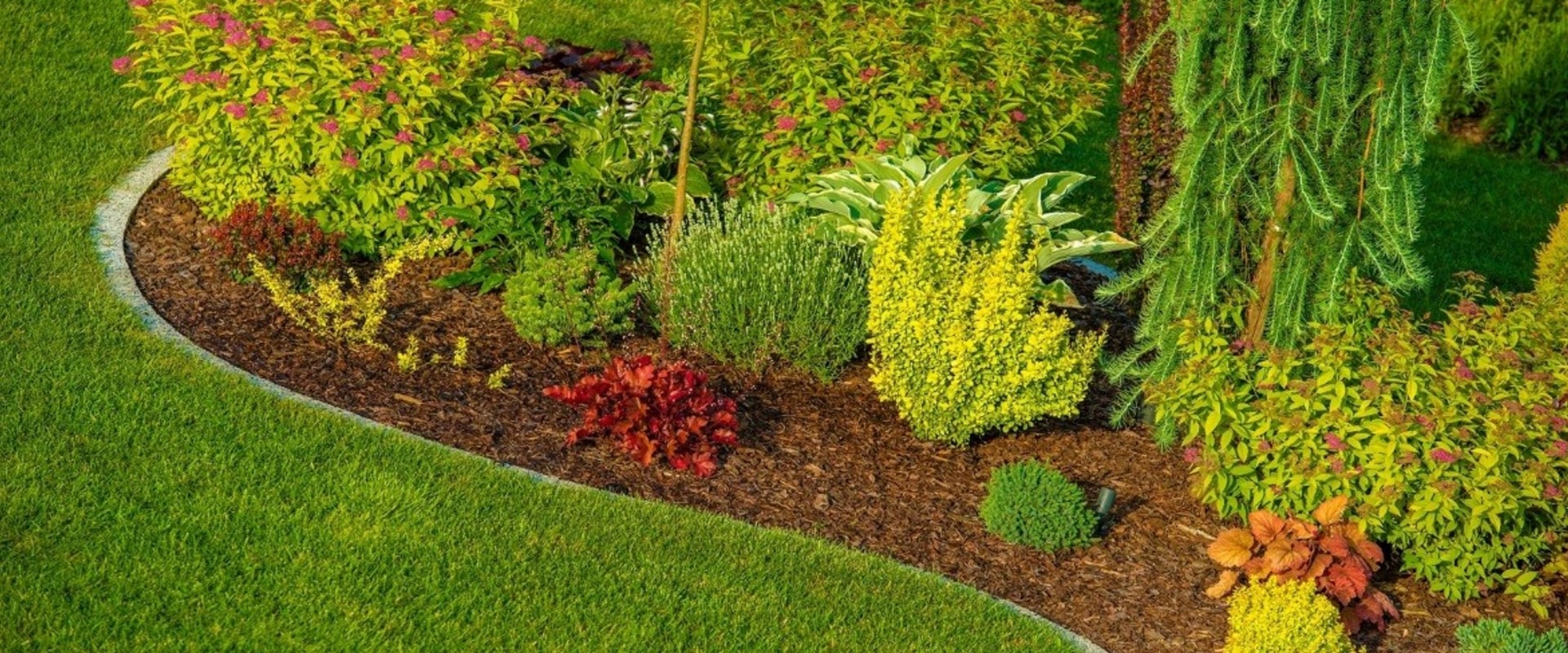
- Weeding and Mulching: A more extensive weeding session can be done biweekly, along with replenishing mulch to suppress weed growth.
- Pest Control: Monitoring for pests and applying treatments as necessary.
Monthly Garden Tasks
For gardens that require less frequent attention or during the colder months when plant growth slows down, a monthly maintenance schedule can be effective. Monthly tasks might include:- Seasonal Planting: Adding new plants or bulbs as appropriate for the season.
- Soil Testing: Checking soil health and nutrient levels to inform future fertilisation needs.
- General Cleanup: Removing debris, fallen leaves, and any dead plant material to prevent disease.
Seasonal Considerations for Garden Maintenance
Understanding the seasonal changes in your garden is crucial for effective garden maintenance.Each season brings its own set of tasks that are essential for keeping your garden healthy and vibrant throughout the year.
Spring: Awakening the Garden
As winter fades, spring is the time to rejuvenate your garden. This season is marked by the awakening of plants and the emergence of new growth. Key tasks include:- Cleaning Up: Remove any debris, dead leaves, and winter mulch to allow sunlight to reach the soil.
- Soil Preparation: Test your soil and amend it with compost or fertiliser to ensure it’s nutrient-rich for planting.
- Planting: This is the ideal time to sow seeds for vegetables and flowers, as well as to plant new shrubs and trees.
- Weeding: Regularly check for weeds, as they can quickly take over in spring.
Summer: Maintenance and Growth
During summer, your garden will require consistent attention to thrive. The warmer weather means more growth, but also more challenges:- Watering: Ensure your plants receive adequate water, especially during dry spells.
Early morning is the best time to water.
- Pest Control: Keep an eye out for pests and diseases. Use organic methods where possible to protect beneficial insects.
- Lawn Care: Regular mowing and edging will keep your lawn looking neat. Consider aerating your lawn if it appears compacted.
- Deadheading: Remove spent flowers from perennials and annuals to encourage further blooming.
Autumn: Preparing for Winter
As temperatures begin to drop, autumn is a critical time for preparing your garden for winter:- Harvesting: Gather any remaining fruits and vegetables before the first frost.
- Planting Bulbs: Autumn is perfect for planting spring-flowering bulbs like daffodils and tulips.
- Mulching: Apply a layer of mulch around plants to protect roots from freezing temperatures.
- Cleansing: Clear away dead plants and debris to prevent pests from overwintering in your garden.
Winter: Minimal Care but Essential Tasks
While many plants go dormant in winter, some maintenance tasks remain important:- Pruning: Late winter is an excellent time for pruning trees and shrubs before new growth begins.
- Cleansing Tools: Clean and store gardening tools properly to prolong their life.
- Pest Management: Check for signs of pests in sheltered areas and take appropriate action if necessary.
- Planning: Use this quieter time to plan next year’s garden layout or research new plants you’d like to try.
Common Garden Maintenance Tasks Explained
Maintaining a garden involves a variety of tasks that are essential for its health and aesthetics.Understanding these garden maintenance tasks can help you create a thriving outdoor space. Below, we delve into some of the most common tasks and their significance.
Lawn Care
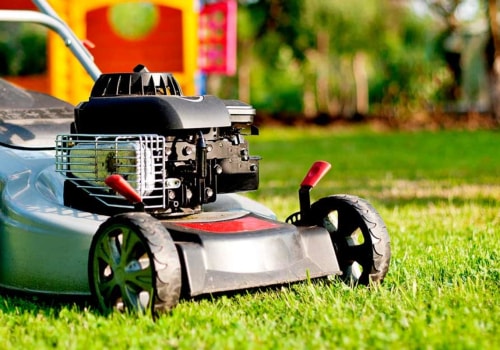
Lawn care is one of the most visible aspects of garden maintenance. Regular mowing is crucial to keep your grass healthy and looking its best. It is generally recommended to mow your lawn every one to two weeks during the growing season, which typically spans from spring to early autumn.This frequency helps prevent weeds from taking root and encourages thicker grass growth.In addition to mowing, other lawn care practices include:
- Fertilising: Applying fertiliser every 6-8 weeks during the growing season provides essential nutrients that promote healthy growth.
- Weeding: Regularly removing weeds is vital as they compete with your grass for nutrients and water. This task should be performed at least once a month.
- Aerating: Aeration involves perforating the soil with holes to allow air, water, and nutrients to penetrate deeper. This should be done once a year, ideally in the spring or autumn.
Pruning Plants
Pruning is another critical aspect of garden maintenance. It involves cutting back overgrown branches and dead foliage to promote healthy growth and flowering.Different plants have varying pruning needs:
- Shrubs: Most shrubs benefit from pruning in late winter or early spring before new growth begins. This helps shape the plant and encourages blooming.
- Trees: Young trees should be pruned annually to establish a strong structure, while mature trees may only need pruning every few years unless they are diseased or damaged.
- Perennials: Deadheading spent flowers throughout the growing season encourages more blooms, while cutting back perennials in autumn prepares them for winter.
Weeding
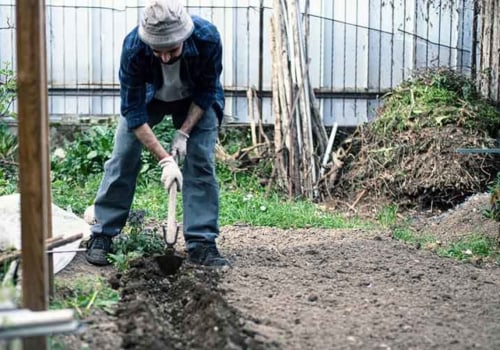
Weeding is an ongoing task that requires diligence. Weeds can quickly take over a garden if not managed properly. It is advisable to check for weeds at least once a week during the growing season.Hand-pulling or using a hoe can effectively remove weeds before they set seed, preventing future infestations.
Planting
Finally, planting new flowers, shrubs, or vegetables is an exciting part of garden maintenance. The best time for planting varies depending on the type of plant; however, spring and autumn are generally ideal for most species. Regularly adding new plants not only enhances the beauty of your garden but also supports biodiversity.In conclusion, understanding these essential garden maintenance tasks will help you keep your outdoor space vibrant and healthy throughout the year. By establishing a routine that includes lawn care, pruning, weeding, and planting, you can ensure that your garden remains a beautiful retreat for years to come.Hiring a Professional Gardener vs.
DIY MaintenanceWhen it comes to garden maintenance, homeowners often face the dilemma of whether to hire a professional gardener or tackle the tasks themselves. Each option has its own set of advantages and disadvantages, and understanding these can help you make an informed decision.
Benefits of Hiring a Professional Gardener
- Expertise and Experience: Professional gardeners bring a wealth of knowledge about plant care, pest management, and landscape design. Their expertise can lead to healthier plants and a more aesthetically pleasing garden.
- Time-Saving: Maintaining a garden can be time-consuming, especially for larger spaces. Hiring a gardener allows you to focus on other priorities while ensuring your garden remains well-kept.
- Access to Tools and Equipment: Professionals often have access to high-quality tools and equipment that may be too expensive for occasional use.
This can lead to better results in less time.
- Seasonal Knowledge: A professional gardener understands the seasonal needs of your garden, ensuring that tasks such as pruning, planting, and fertilising are done at the right times for optimal growth.
DIY Gardening Tips
- Start Small: If you're new to gardening, begin with a small area. This allows you to learn the basics without feeling overwhelmed.
- Educate Yourself: There are numerous resources available online and in books that can help you understand plant care, soil health, and pest control.
- Create a Schedule: Regular maintenance is key. Set aside specific times each week for tasks like weeding, watering, and pruning to keep your garden in top shape.
- Join Local Gardening Groups: Engaging with local gardening communities can provide support, tips, and even opportunities for sharing tools or plants.
When to Hire a Gardener
If you find yourself short on time or lacking the confidence to manage your garden effectively, it may be wise to hire a professional. Additionally, if your garden requires specialised care—such as extensive landscaping or dealing with specific pest issues—enlisting an expert can save you both time and potential frustration.
Ultimately, the decision should align with your personal preferences, budget, and the specific needs of your garden.
Cost Considerations for Garden Maintenance Services
When considering garden maintenance services, understanding the associated costs is crucial for effective budgeting. The price of hiring a gardener can vary significantly based on several factors, including the size of your garden, the frequency of service, and the specific tasks required.On average, homeowners can expect to pay between £15 to £50 per hour for gardening services. This range can fluctuate depending on the gardener's experience and the complexity of the work involved. For instance, basic lawn care might be on the lower end of this scale, while more specialised tasks such as landscaping or tree surgery could command higher rates.Frequency of Service
The frequency with which you require garden maintenance will also impact your overall costs.Here’s a breakdown of typical pricing based on service frequency:
- Weekly Services: If you opt for weekly visits, you might pay around £40 to £100 per week, depending on the size and condition of your garden. This is ideal for larger gardens or those requiring regular upkeep.
- Biweekly Services: For biweekly maintenance, expect to spend approximately £60 to £150 per month. This option suits gardens that are relatively low-maintenance or during seasons when growth slows down.
- Monthly Services: Monthly visits can range from £80 to £200, making it a cost-effective choice for smaller gardens or those needing less frequent attention.
Size and Condition of Your Garden
The size and current state of your garden play a significant role in determining costs. A well-maintained small garden may only require minimal attention, while an overgrown or larger space will necessitate more time and resources.For example:
- A small garden (under 100 square metres) may cost around £30 to £50 per visit.
- A medium-sized garden (100-300 square metres) could range from £50 to £80 per visit.
- A large garden (over 300 square metres) might start at £80 and go upwards depending on the complexity of tasks.
Tips for Effective Garden Maintenance Planning
Effective garden maintenance planning is essential for ensuring that your outdoor space remains healthy, vibrant, and enjoyable throughout the year. Here are some practical tips to help you create a successful garden maintenance schedule:- Assess Your Garden's Needs: Begin by evaluating the specific requirements of your garden.
Consider factors such as the types of plants you have, their growth cycles, and any seasonal changes that may affect their care. This assessment will help you identify which tasks need to be prioritised.
- Create a Maintenance Calendar: Develop a calendar that outlines all necessary gardening tasks throughout the year. Include activities such as planting, pruning, weeding, fertilising, and pest control. By having a visual representation of your garden's needs, you can better manage your time and resources.
- Be Flexible: While having a plan is crucial, it’s equally important to remain adaptable.
Weather conditions can change rapidly, affecting your gardening schedule. For instance, heavy rain may delay planting or weeding tasks. Be prepared to adjust your calendar as needed to accommodate these changes.
- Prioritise Tasks: Not all gardening tasks are created equal. Some may require immediate attention, while others can wait.
Prioritise tasks based on urgency and importance. For example, if you notice signs of pest infestation, addressing this issue should take precedence over routine weeding.
- Incorporate Seasonal Strategies: Different seasons bring unique challenges and opportunities for your garden. In spring, focus on planting and fertilising; in summer, ensure regular watering and pest management; autumn is ideal for pruning and preparing for winter; while winter may involve minimal maintenance but still requires monitoring for plant health.
- Utilise Technology: Consider using gardening apps or digital calendars to keep track of your maintenance schedule. These tools can send reminders for upcoming tasks and help you log completed activities, making it easier to stay organised.
- Engage with Professionals: If you're unsure about certain tasks or lack the time to maintain your garden effectively, consider hiring a professional gardener.
They can provide expert advice tailored to your specific garden needs and help implement your maintenance plan efficiently.
Frequently Asked Questions About Garden Maintenance
When it comes to garden maintenance, many homeowners have questions about the frequency and types of tasks required to keep their outdoor spaces thriving. Below are some of the most frequently asked questions regarding garden upkeep.How often should I maintain my garden?
The frequency of garden maintenance largely depends on several factors, including the size of your garden, the types of plants you have, and your personal preferences. Generally, a well-maintained garden may require attention:- Weekly: For gardens with a variety of plants and features, weekly maintenance is often recommended. This includes mowing the lawn, weeding, and checking for pests.
- Biweekly: If your garden is smaller or less complex, biweekly visits may suffice.
This schedule allows for regular upkeep without overwhelming you or your gardener.
- Monthly: For gardens that are primarily ornamental or during the off-peak seasons, monthly maintenance can be adequate. This may involve seasonal planting and general tidying.
What tasks are included in regular garden maintenance?
Regular garden maintenance typically encompasses a range of tasks designed to keep your garden healthy and attractive. Common activities include:- Lawn care: Mowing, edging, and fertilising to promote healthy growth.
- Weeding: Removing unwanted plants that compete for nutrients and space.
- Pruning: Trimming shrubs and trees to encourage growth and maintain shape.
- Pest control: Monitoring for pests and diseases to protect your plants.
- Seasonal planting: Adding new flowers or vegetables according to the season.
Can I maintain my garden myself?
Absolutely! Many homeowners enjoy the satisfaction of maintaining their own gardens. However, it’s essential to assess your comfort level with gardening tasks.If you prefer not to handle certain jobs, hiring a professional gardener can be a worthwhile investment.
What should I consider when hiring a gardener?
If you decide to hire a gardener, consider the following:- Experience: Look for someone with a proven track record in garden maintenance.
- Services offered: Ensure they provide the specific services you need.
- Availability: Confirm their schedule aligns with your requirements.
- References: Ask for testimonials from previous clients to gauge their reliability.
Conclusion: Finding Your Ideal Garden Maintenance Routine
In conclusion, establishing a suitable garden maintenance routine is essential for ensuring the health and beauty of your outdoor space. As we have explored throughout this article, the frequency and type of maintenance required can vary significantly based on several factors, including the size of your garden, the types of plants you have, and your personal preferences.To find your ideal maintenance schedule, consider the following:- Assess Your Garden's Needs: Take a close look at your garden. Are there areas that require more attention than others? For instance, flower beds may need more frequent care during blooming seasons, while lawns might require regular mowing and edging.
- Evaluate Your Time: Reflect on how much time you can realistically dedicate to garden upkeep. If you enjoy gardening but have a busy schedule, hiring a professional gardener for regular visits might be beneficial.
- Seasonal Changes: Remember that garden maintenance needs will fluctuate with the seasons.
During spring and summer, when growth is at its peak, you may need more frequent visits compared to the quieter autumn and winter months.
- Budget Considerations: Determine how much you are willing to spend on garden maintenance. This will help you decide whether to hire a professional or manage tasks yourself. Keep in mind that investing in quality maintenance can save you money in the long run by preventing larger issues.
Whether you choose to engage a professional or take on the tasks yourself, finding a balance that works for you is key to successful garden maintenance.