Gardening is often perceived as a daunting task, especially for those who have never ventured into the world of plants and soil. However, understanding the basics of gardening can transform this perception into one of excitement and possibility. At its core, gardening is about nurturing life, whether it be flowers, vegetables, or herbs. The initial steps may seem overwhelming, but with a little knowledge and practice, anyone can cultivate a thriving garden.To start your gardening journey, it’s essential to grasp some fundamental concepts.
First and foremost, soil quality plays a crucial role in the success of your garden. Healthy soil is rich in nutrients and has good drainage, which allows plants to establish strong roots. Additionally, understanding your local climate and choosing plants that are well-suited to your environment can significantly enhance your gardening experience. For instance, some plants thrive in full sun while others prefer shade; knowing these preferences will help you make informed decisions.Another common misconception is that gardening requires extensive time and effort.
While it’s true that maintaining a garden does require commitment, there are numerous strategies to simplify the process. For example, implementing garden maintenance tips such as mulching to suppress weeds or using drip irrigation systems can save time and reduce labour. Moreover, starting small with a few pots or a small patch of land can make the task feel more manageable and less intimidating.As you delve deeper into the world of gardening, you’ll discover that it’s not just about planting seeds; it’s about creating a sustainable ecosystem that benefits both you and the environment. Embracing this holistic approach will not only enhance your gardening skills but also enrich your life in ways you may not have anticipated.
So grab your trowel and let’s explore the rewarding journey of garden maintenance together!
The Physical and Mental Aspects of Gardening
Gardening is often perceived as a leisurely activity, but it encompasses a range of physical demands that can significantly contribute to one’s overall health. Engaging in garden maintenance involves various tasks such as digging, planting, weeding, and harvesting, all of which require physical exertion. This hands-on work can serve as an excellent form of exercise, promoting cardiovascular health and enhancing muscle strength.Studies have shown that spending time in the garden can burn a substantial number of calories. For instance, activities like raking leaves or digging can burn between 200 to 400 calories per hour, depending on the intensity of the work.Moreover, gardening encourages flexibility and balance as you bend, stretch, and reach for plants. This physical engagement not only helps maintain a healthy weight but also improves coordination and reduces the risk of falls, particularly in older adults.Beyond the physical benefits, gardening has profound effects on mental health. The act of nurturing plants and watching them grow can instil a sense of purpose and accomplishment. Many gardeners report feeling a deep connection to nature, which can alleviate feelings of stress and anxiety.
The rhythmic nature of gardening tasks can also serve as a form of meditation, allowing individuals to focus their minds and escape from daily pressures.Furthermore, studies indicate that spending time outdoors in green spaces can boost mood and enhance overall well-being. Exposure to sunlight increases serotonin levels in the brain, which is linked to improved mood and feelings of happiness. The sensory experiences associated with gardening—the smell of fresh soil, the sight of vibrant flowers, and the sounds of nature—can further elevate one’s spirits.Incorporating gardening into your routine not only provides physical exercise but also fosters mental resilience. It encourages mindfulness and patience as you learn to care for your plants over time.
Whether you are tending to a small herb garden or managing a larger vegetable plot, the rewards extend far beyond the produce you harvest; they encompass a holistic approach to health that nurtures both body and mind.
Time Commitment: How Much Time Do You Need?
When considering the question of whether growing a garden is hard, one of the most significant factors to evaluate is the time commitment involved in garden maintenance. Understanding how much time you need to dedicate to your garden can help you manage your expectations and ensure that your gardening experience is both enjoyable and productive.On average, a medium-sized garden requires approximately 2 to 3 hours per week of maintenance. This time can vary based on several factors, including the type of plants you are growing, the size of your garden, and the season. For instance, during peak growing seasons, such as spring and summer, you may find yourself spending more time tending to your plants due to increased growth rates and the need for regular watering and weeding.Weekly Gardening Schedule
To effectively manage your time in the garden, it can be helpful to establish a weekly gardening schedule.Here’s a simple breakdown of tasks you might consider:
- Watering: Depending on the weather, allocate about 30 minutes to an hour each week for watering your plants. Early mornings or late afternoons are ideal times to water.
- Weeding: Spend around 10-15 minutes a day on weeding. This small daily commitment can prevent weeds from taking over your garden.
- Harvesting: As your plants mature, set aside time for harvesting. This can vary greatly depending on what you’re growing but plan for at least an hour each week during peak harvest times.
- Pest Control: Regularly check for pests and diseases.
Dedicate about 30 minutes each week to inspect your plants and apply any necessary treatments.
- General Maintenance: Tasks such as pruning, deadheading flowers, or adding mulch can take an additional hour or two each week.
Embrace the process and enjoy the fruits of your labour!
Choosing the Right Plants for Your Garden
When embarking on your gardening journey, one of the most crucial decisions you will make is selecting the right plants for your garden. This choice can significantly influence your gardening experience, especially for beginners. Understanding which plants thrive in your local climate and are suitable for your skill level can help you avoid frustration and ensure a rewarding gardening experience.Best Plants for Beginners
- Radishes: These fast-growing vegetables are perfect for novice gardeners. They can be sown directly into the soil and typically mature within three to four weeks.
- Lettuce: Another quick-growing option, lettuce varieties like butterhead or romaine are easy to grow and can be harvested multiple times throughout the season.
- Carrots: With minimal care, carrots can thrive in well-drained soil.
They require patience as they take longer to mature, but the reward of pulling fresh carrots from the ground is worth it.
- Herbs: Basil, parsley, and chives are excellent choices for beginners. They can be grown in pots or directly in the garden and add flavour to your meals.
- Tomatoes: While they require a bit more attention, tomatoes are a favourite among gardeners. Choose determinate varieties for easier management.
Easy-to-Grow Vegetables
For those looking to expand their vegetable garden, consider these easy-to-grow options:
- Zucchini: This prolific plant produces an abundance of fruit with minimal effort. Just ensure it has enough space to spread out.
- Peas: These cool-season crops are simple to grow and can be sown early in the spring.
They also add nitrogen back into the soil, benefiting future crops.
- Beans: Fast-growing and productive, beans are perfect for vertical gardening. They require little maintenance and can be harvested throughout the summer.
Plant Selection Tips
When selecting plants, consider the following tips to enhance your gardening success:
- Know Your Climate: Research your local climate zone to understand which plants will thrive in your area. Some plants prefer cooler temperatures, while others flourish in heat.
- Soil Quality: Test your soil to determine its pH and nutrient levels. This information will guide you in choosing plants that will grow well in your specific soil conditions.
- Space Requirements: Be mindful of how much space each plant needs.
Overcrowding can lead to poor growth and increased susceptibility to pests and diseases.
- Pest Resistance: Opt for varieties known for their resistance to common pests and diseases, which can save you time and effort in managing your garden.
Essential Tools and Equipment for Garden Maintenance
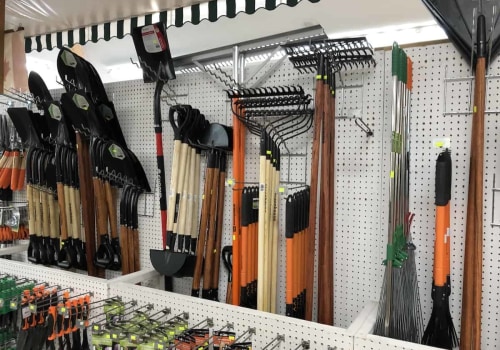
Maintaining a garden effectively requires the right tools and equipment. Having the appropriate gardening tools not only simplifies tasks but also enhances the overall gardening experience. Below is a comprehensive list of essential tools that every gardener, especially beginners, should consider incorporating into their gardening toolkit.- Hand Trowel: This versatile tool is perfect for digging, planting, and transferring soil.
A sturdy hand trowel is indispensable for any gardener.
- Pruning Shears: Essential for maintaining plant health, pruning shears help in trimming dead or overgrown branches, promoting better growth and air circulation.
- Garden Fork: Ideal for turning soil and breaking up compacted earth, a garden fork is crucial for preparing your garden beds.
- Spade: A spade is necessary for digging larger holes and moving soil. Its flat blade makes it easier to cut through roots and tough ground.
- Rake: Useful for leveling soil and gathering leaves or debris, a rake helps keep your garden tidy and well-maintained.
- Watering Can or Hose: Proper hydration is vital for plant health. A watering can is great for targeted watering, while a hose can cover larger areas efficiently.
- Gloves: Protecting your hands from thorns, dirt, and chemicals is essential. A good pair of gardening gloves will keep your hands safe while you work.
- Kneeling Pad or Garden Kneeler: To make gardening more comfortable, especially when planting or weeding, a kneeling pad provides cushioning for your knees.
- Weeder: This tool helps remove weeds from the root, preventing them from regrowing and competing with your plants for nutrients.
As you become more experienced, you may find additional specialised tools that suit your gardening style. Remember that the right equipment can significantly reduce the physical strain of gardening, allowing you to focus on nurturing your plants and enjoying the fruits of your labour.
Common Challenges in Gardening and How to Overcome Them
Gardening can be a rewarding endeavour, but it is not without its challenges. Understanding these common obstacles and knowing how to tackle them can make the difference between a thriving garden and one that struggles to survive.Pest Control in Gardens
Pests are perhaps the most notorious challenge for gardeners. From aphids to slugs, these unwelcome visitors can wreak havoc on your plants.To effectively manage pests, consider the following strategies:
- Regular Monitoring: Keep a close eye on your plants. Early detection of pests can prevent a small problem from becoming a major infestation.
- Natural Predators: Encourage beneficial insects like ladybirds and lacewings, which feed on harmful pests. Planting flowers such as marigolds can attract these helpful allies.
- Organic Solutions: Use organic pesticides or homemade remedies, such as neem oil or a soap solution, to treat infestations without harming beneficial insects.
Dealing with Plant Diseases
Plant diseases can be equally daunting, often caused by fungi, bacteria, or viruses. Here are some effective ways to combat these issues:- Choose Resistant Varieties: When selecting plants, opt for varieties known for their resistance to common diseases in your area.
- Proper Watering Techniques: Water your plants at the base rather than overhead to reduce humidity around the leaves, which can promote fungal growth.
- Sanitation Practices: Regularly clean your gardening tools and remove any diseased plant material from your garden to prevent the spread of pathogens.
Remember that every gardener faces challenges; it’s how you respond to them that will determine your success.
The Role of Soil Health in Successful Gardening
Soil health is a fundamental aspect of successful gardening, often overlooked by novice gardeners. The quality of your soil directly influences the growth, yield, and overall health of your plants. Healthy soil is rich in organic matter, has good structure, and supports a diverse ecosystem of microorganisms that contribute to plant vitality.Understanding Soil Composition
To improve your garden's soil, it's essential to understand its composition. Soil is made up of minerals, organic matter, water, and air.
The balance of these components affects its fertility and structure. For instance, sandy soils drain quickly but may lack nutrients, while clay soils retain moisture but can become compacted. A well-balanced soil typically contains a mix of sand, silt, and clay.
Soil Testing for Gardens
Before making any amendments, consider conducting a soil test. This process will provide valuable information about pH levels, nutrient content, and organic matter percentage.
Many local agricultural extensions or garden centres offer testing kits or services. Understanding your soil's current state allows you to tailor your amendments effectively.
Tips for Improving Garden Soil
- Add Organic Matter: Incorporate compost or well-rotted manure into your soil to enhance its nutrient content and improve structure.
- Practice Crop Rotation: Rotating crops each season helps prevent nutrient depletion and reduces pest and disease buildup.
- Mulch Regularly: Applying a layer of organic mulch can help retain moisture, suppress weeds, and gradually improve soil quality as it breaks down.
- Avoid Compaction: Limit foot traffic in garden beds to prevent soil compaction, which can hinder root growth and water infiltration.
- Use Cover Crops: Planting cover crops during the off-season can protect the soil from erosion and add nutrients back into the ground when tilled under.
Maintaining Soil Health
Once you've improved your soil, maintaining its health is crucial. Regularly adding organic matter, monitoring pH levels, and ensuring proper drainage will keep your garden thriving. Remember that healthy soil is alive with activity; fostering this ecosystem will lead to more robust plants and a bountiful harvest.
Gardening as a Community Activity: Benefits of Sharing Your Passion
Gardening is often perceived as a solitary pursuit, but it can also be a vibrant community activity that fosters connections and shared experiences.Engaging in community gardening not only enhances the enjoyment of cultivating plants but also provides numerous social benefits that can make the process feel less daunting.One of the primary advantages of community gardening is the opportunity to share gardening tips and techniques. When individuals come together to cultivate a shared space, they bring diverse knowledge and experiences. This exchange of information can be invaluable for both novice and seasoned gardeners. For instance, a beginner might learn about soil preparation or pest management from a more experienced gardener, while the latter may gain fresh perspectives on innovative planting methods or organic practices.Moreover, working alongside others in a garden setting can significantly reduce the perceived difficulty of gardening tasks.
The camaraderie that develops during weeding, planting, or harvesting can transform what might seem like hard work into an enjoyable social event. As participants collaborate, they often find motivation in each other’s enthusiasm, making even the most laborious tasks feel lighter.Additionally, community gardens serve as a platform for building friendships and strengthening local ties. They create a sense of belonging and foster relationships among neighbours who may not have interacted otherwise. This social aspect is particularly beneficial in urban areas where green spaces are limited, allowing residents to connect with nature and each other.Furthermore, participating in community gardening can lead to increased mental well-being.
The act of nurturing plants alongside others can provide emotional support and reduce feelings of isolation. Sharing successes—like the first bloom of spring or the harvest of fresh vegetables—can enhance joy and satisfaction, reinforcing the idea that gardening is not just about growing food but also about cultivating relationships.In conclusion, embracing gardening as a community activity enriches the experience by providing opportunities for learning, collaboration, and social interaction. By sharing your passion for gardening with others, you not only enhance your own enjoyment but also contribute to a supportive network that makes the challenges of gardening feel more manageable.
<strong>Conclusion</strong>
In conclusion, the question of whether growing a garden is hard can be answered with a resounding "it depends." The level of difficulty largely hinges on various factors, including your experience, the type of plants you choose, and the amount of time you can dedicate to garden maintenance. For beginners, the initial learning curve may seem steep, but with patience and practice, gardening can transform into a fulfilling and enjoyable hobby.One of the most significant aspects to consider is that gardening is not merely about planting seeds and waiting for them to grow.It involves understanding the needs of your plants, which can vary widely. Factors such as soil quality, sunlight exposure, and watering schedules play crucial roles in the success of your garden. Therefore, investing time in learning about these elements can significantly ease the process.Moreover, embracing a few essential gardening techniques can make maintenance less daunting. For instance, implementing a companion planting strategy can help reduce pests naturally and improve plant health.
Additionally, mulching can conserve moisture and suppress weeds, making your garden easier to manage.It's also important to remember that gardening is not a solitary endeavour. Engaging with local gardening communities or online forums can provide invaluable support and advice. Sharing experiences with fellow gardeners can help you navigate challenges and celebrate successes together.Ultimately, while there are challenges associated with garden maintenance, the rewards far outweigh them. The joy of harvesting your own produce or simply enjoying the beauty of a well-tended garden can be immensely satisfying.
As you cultivate your green space, you'll likely find that the effort you put in not only enhances your garden but also enriches your life.So, whether you're a seasoned gardener or just starting out, remember that every garden tells a story—yours is just beginning. Embrace the journey, learn from each season, and let your passion for gardening flourish.