Garden maintenance is a vital aspect of horticulture that encompasses a variety of tasks aimed at ensuring the health and vitality of your plants and outdoor spaces. It involves regular care and attention to detail, which not only enhances the aesthetic appeal of your garden but also promotes a thriving ecosystem. Understanding the fundamentals of garden maintenance is essential for both novice and experienced gardeners alike, as it lays the groundwork for successful gardening practices.The importance of garden maintenance cannot be overstated. A well-maintained garden not only provides a sanctuary for relaxation and enjoyment but also contributes to biodiversity by supporting various forms of wildlife.
Regular upkeep helps prevent pest infestations, diseases, and other issues that can arise from neglect. Moreover, maintaining your garden can lead to improved soil health, better water retention, and enhanced growth for your plants, ultimately resulting in a more productive garden.At its core, garden care basics include tasks such as watering, weeding, pruning, and fertilising. These activities should be tailored to the specific needs of your plants and the changing seasons. For instance, spring is an ideal time for planting and fertilising, while autumn may require more focus on preparing your garden for winter.
By establishing a routine that incorporates these essential tasks, you can ensure that your garden remains vibrant and flourishing throughout the year.In the following sections, we will delve deeper into specific maintenance tasks and schedules that will help you keep your garden in top condition. Whether you are growing flowers, vegetables, or shrubs, understanding the nuances of garden maintenance will empower you to create an outdoor space that reflects your vision and nurtures your passion for gardening.
Seasonal Garden Maintenance Checklist
Maintaining a garden is a year-round commitment, and each season brings its own set of tasks that are essential for the health and beauty of your outdoor space. Below is a comprehensive seasonal garden maintenance checklist to guide you through the year.Spring Maintenance
- Clean Up Debris: Remove any fallen leaves, twigs, and other debris that accumulated over winter to prevent pests and diseases.
- Soil Preparation: Test your soil pH and amend it as necessary. Add compost or well-rotted manure to enrich the soil.
- Planting: Start sowing seeds for cool-season crops like peas and lettuce.
Consider planting perennials and shrubs as well.
- Weeding: Begin weeding early to prevent them from establishing roots. Regularly check for invasive species.
- Pruning: Trim back any dead or damaged branches from trees and shrubs to encourage new growth.
Summer Care
- Watering: Ensure consistent watering, especially during dry spells. Early morning is the best time to water your plants.
- Mulching: Apply a layer of mulch around plants to retain moisture and suppress weeds.
- Pest Control: Monitor for pests regularly and take action as needed, using organic methods where possible.
- Deadheading: Remove spent flowers from annuals and perennials to encourage further blooming.
- Harvesting: Regularly harvest fruits and vegetables to promote continued production.
Autumn Preparation
- Final Harvest: Gather any remaining crops before the first frost hits.
- Planting Bulbs: Plant spring-flowering bulbs such as daffodils and tulips for a vibrant display next year.
- Soil Care: Add organic matter to the soil, such as compost, to improve its structure for winter.
- Cleansing Tools: Clean and store garden tools properly to prevent rusting and damage over winter.
- Protecting Plants: Cover tender plants with fleece or mulch to protect them from frost damage.
winter Protection
- Insulating Plants: Use mulch or straw around the base of perennials to insulate their roots against freezing temperatures.
- Pest Prevention: Check for pests in stored bulbs or seeds, ensuring they are free from infestations before storage.
- Cleansing the Garden: Remove any remaining debris from the garden beds to reduce disease risk in spring.
- Planning for Spring: Take this time to plan your garden layout for the upcoming season, considering crop rotation and companion planting strategies.
Monthly Garden Maintenance Tasks
Maintaining a garden is an ongoing commitment that requires attention to detail and a well-structured schedule.Monthly garden maintenance tasks are crucial for ensuring that your plants thrive and your outdoor space remains inviting. Here’s a comprehensive breakdown of essential activities to incorporate into your monthly garden upkeep schedule.
- Soil Care: Regularly testing your soil is vital for understanding its nutrient content and pH levels. Consider conducting a soil test at least once a year, but monthly checks can help you monitor changes. Based on the results, amend your soil with organic matter, compost, or fertilisers to promote healthy plant growth.
- Weeding: Weeds can quickly overtake your garden if left unchecked.
Dedicate time each month to remove weeds by hand or with a hoe, focusing on their roots to prevent regrowth. Mulching around plants can also suppress weed growth and retain moisture in the soil.
- Pruning and Deadheading: Regular pruning of shrubs and trees helps maintain their shape and encourages new growth. Additionally, deadheading spent flowers promotes further blooming and keeps your garden looking tidy. Aim to prune during the early part of the month when plants are still in their active growth phase.
- Pest Control: Monitor your plants for signs of pests or diseases.
Implementing integrated pest management strategies, such as introducing beneficial insects or using organic pesticides, can help keep infestations at bay. Monthly inspections will allow you to catch problems early before they escalate.
- Planting Schedule: Depending on the season, certain plants may need to be sown or transplanted during specific months. Research the best planting times for your region and ensure you’re sowing seeds or planting seedlings at the right time for optimal growth.
- Irrigation Check: Evaluate your irrigation system monthly to ensure it’s functioning correctly. Check for leaks, clogs, or broken sprinkler heads.
Adjust watering schedules based on rainfall and temperature changes to conserve water while keeping your plants hydrated.
Weekly and Daily Garden Care Routines
Maintaining a vibrant and healthy garden requires consistent effort, and establishing a routine for daily and weekly tasks is essential. By adhering to a structured schedule, you can ensure that your garden remains in peak condition throughout the growing season.Daily Garden Tasks
Daily care routines are crucial for the immediate health of your plants. Here are some key activities to incorporate into your daily garden maintenance:- Watering: Check the moisture levels in your soil.
Water plants early in the morning or late in the evening to minimise evaporation. Ensure that you are watering deeply to encourage root growth.
- Pest Inspection: Take a few moments each day to inspect your plants for signs of pests or disease. Early detection can prevent larger infestations and save your plants.
- Weeding: Remove any weeds that have sprouted since your last visit. Weeds compete with your plants for nutrients and water, so tackling them daily can keep them at bay.
- Deadheading: For flowering plants, remove spent blooms to encourage further flowering and maintain aesthetics.
Weekly Maintenance Checklist
In addition to daily tasks, a weekly checklist can help you stay organised and ensure that no important maintenance activities are overlooked.Consider including the following tasks:
- Fertilising: Depending on the type of plants you have, apply fertiliser as needed. This could be a liquid feed or granular fertiliser, ensuring that you follow the recommended guidelines for application.
- Pruning and Trimming: Assess your shrubs and perennials for any necessary pruning. Regular trimming helps maintain shape and encourages healthy growth.
- Lawn Care: Mow the lawn regularly, ensuring that you adjust the mower height according to the season. Additionally, check for any bare patches that may need reseeding.
- Tool Maintenance: Take time each week to clean and sharpen your gardening tools.
Well-maintained tools make gardening tasks easier and more efficient.
Essential Tools for Effective Garden Maintenance
To achieve a thriving garden, having the right tools is essential. The effectiveness of your garden maintenance largely depends on the quality and suitability of your gardening tools. Below is a comprehensive list of essential equipment that every gardener should consider, along with tips on how to maintain these tools for longevity.- Hand Tools: These are the backbone of any gardener's toolkit.
Key hand tools include:
- Hand Trowel: Perfect for digging small holes, transplanting seedlings, and mixing soil.
- Pruning Shears: Essential for trimming and shaping plants, ensuring healthy growth.
- Weeder: A must-have for removing unwanted weeds without disturbing the surrounding soil.
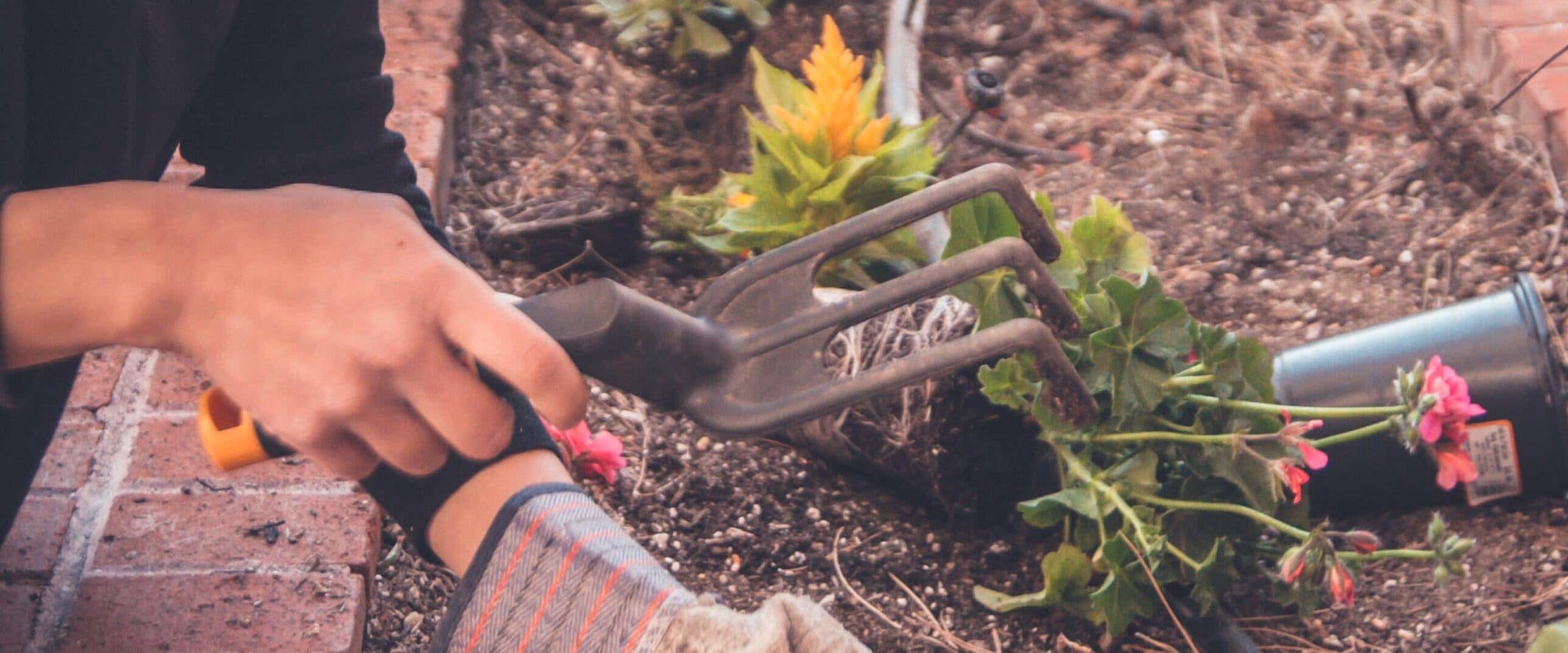
- Garden Fork: Useful for turning soil and aerating compacted areas.
- Power Tools: For larger gardens or more intensive maintenance, power tools can save time and effort. Consider investing in:
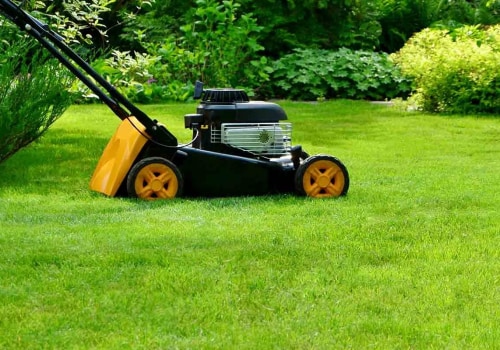
- Lawn Mower: Keeps your grass at an optimal height and promotes healthy growth.
- Hedge Trimmer: Ideal for maintaining the shape of hedges and shrubs.
- Tiller: Helps prepare the soil for planting by breaking up hard ground.
- Clean After Use: Always clean your tools after each use to remove dirt, sap, and plant residue. This prevents rust and keeps them in good working condition.
- Sharpen Blades: Regularly sharpen the blades of your shears and hoes to ensure clean cuts, which promote plant health.
- Store Properly: Store tools in a dry place to prevent rust.
Hanging them on a wall or using a tool rack can help keep them organised and accessible.
- Inspect Regularly: Check your tools for any signs of wear or damage. Replace or repair any broken parts promptly to avoid accidents during use.
Common Garden Pests and Diseases: Prevention and Treatment
Maintaining a vibrant garden requires vigilance against common pests and plant diseases that can threaten the health of your plants. Understanding these threats is crucial for effective prevention and treatment .Identifying Common Garden Pests
Several pests are notorious for invading gardens, including:- Aphids: Small, soft-bodied insects that suck sap from plants, leading to wilting and stunted growth.
- Slugs and Snails: These molluscs feed on leaves, leaving behind ragged holes and slime trails.
- Spider Mites: Tiny arachnids that can cause yellowing leaves and webbing on plants.
- Caterpillars: The larvae of moths and butterflies that can defoliate plants rapidly.
- Whiteflies: Small, white flying insects that also suck sap and can transmit diseases.
Pest Control Methods
To combat these pests, consider the following methods:- Cultural Control: Implement practices such as crop rotation, companion planting, and maintaining healthy soil to deter pests.
- Physical Barriers: Use row covers or netting to protect vulnerable plants from insect attacks.
- Biological Control: Introduce natural predators like ladybirds or lacewings that feed on aphids and other pests.
- Pesticides: If necessary, opt for organic pesticides that are less harmful to beneficial insects and the environment.
Common Plant Diseases
Diseases can also wreak havoc in your garden. Some prevalent ones include:- Powdery Mildew: A fungal disease that appears as white powdery spots on leaves, often thriving in humid conditions.
- Root Rot: Caused by overwatering or poor drainage, leading to wilting and plant death.
- Bacterial Blight: Characterised by dark spots on leaves and stems, often resulting from wet conditions.
Disease Prevention Strategies
To prevent these diseases from taking hold, follow these guidelines:- Avoid Overcrowding: Ensure adequate spacing between plants to promote air circulation.
- Water Wisely: Water at the base of plants early in the day to reduce humidity around foliage.
- Select Resistant Varieties: Choose plant varieties known for their resistance to specific diseases.
- Regular Monitoring: Inspect your plants frequently for early signs of pests or diseases to take action promptly.
Sustainable Practices in Garden Maintenance
Incorporating sustainable practices into your garden maintenance routine not only enhances the health of your garden but also contributes positively to the environment.By adopting eco-friendly methods, you can create a thriving ecosystem that supports biodiversity while reducing your carbon footprint.One of the fundamental principles of sustainable gardening is the use of organic gardening techniques. This involves avoiding synthetic fertilizers and pesticides, which can harm beneficial insects and soil health. Instead, consider using natural alternatives such as:
- Compost: Create your own compost from kitchen scraps and garden waste. This enriches the soil with nutrients and improves its structure.
- Natural pest control: Introduce beneficial insects like ladybugs and lacewings that prey on common pests.
You can also use neem oil or insecticidal soap as organic treatments.
- Crop rotation: Change the location of your crops each season to prevent soil depletion and reduce pest build-up.
- Rainwater harvesting: Collect rainwater in barrels to use for irrigation, reducing reliance on municipal water supplies.
- Drip irrigation: Install a drip irrigation system to deliver water directly to the plant roots, minimising evaporation and runoff.
- Mulching: Apply organic mulch around plants to retain moisture, suppress weeds, and improve soil quality as it breaks down.
This not only fosters a sense of community but also encourages the exchange of sustainable gardening practices and knowledge.By integrating these sustainable gardening practices into your regular maintenance schedule, you can cultivate a garden that is not only beautiful but also environmentally responsible.
FAQs About Garden Maintenance
Garden maintenance can often raise a multitude of questions, especially for those new to gardening or those looking to enhance their skills. Below are some of the most frequently asked questions regarding garden maintenance, along with expert advice to help you cultivate a thriving garden.What are the essential tasks for garden maintenance?
Essential tasks for effective garden maintenance include:- Weeding: Regularly remove weeds to prevent them from competing with your plants for nutrients and water.
- Watering: Ensure your plants receive adequate moisture, particularly during dry spells. Early morning is the best time to water.
- Pruning: Trim back overgrown plants and dead branches to promote healthy growth and improve air circulation.
- Fertilising: Apply appropriate fertilisers based on your soil's needs to provide essential nutrients.
- Pest Control: Monitor for pests and diseases, using organic methods where possible to protect beneficial insects.
How often should I maintain my garden?
The frequency of garden maintenance depends on various factors, including the type of plants you have and the season. Generally, a good rule of thumb is:- Daily: Check for pests and water if necessary.
- Weekly: Weed, prune, and inspect your plants for any signs of distress.
- Monthly: Fertilise and perform a thorough clean-up of debris.
What tools do I need for effective garden maintenance?
A well-equipped gardener should have the following tools:- Trowel: For digging small holes and transplanting seedlings.
- Pruning Shears: Essential for trimming and shaping plants.
- Rake: Useful for clearing leaves and debris from your garden beds.
- Watering Can or Hose: To ensure your plants receive adequate hydration.
- Lawn Mower: If you have a lawn, regular mowing is crucial for its health.
Remember, every garden is unique, so adapt these guidelines to suit your specific needs!
Conclusion: The Importance of Regular Garden Maintenance
In conclusion, the significance of regular garden maintenance cannot be overstated. A well-maintained garden not only enhances the aesthetic appeal of your outdoor space but also promotes the health and productivity of your plants. By adhering to a structured maintenance schedule, you can ensure that your garden thrives throughout the seasons.One of the primary benefits of consistent garden upkeep is the prevention of pest infestations and diseases. Regularly inspecting your plants and removing any dead or diseased foliage can significantly reduce the risk of problems that could jeopardise your garden's health.Additionally, maintaining proper soil conditions through regular testing and amendments will provide your plants with the nutrients they need to flourish.Moreover, garden maintenance fosters a more enjoyable gardening experience. When you dedicate time to care for your plants, you develop a deeper connection with them, which can be incredibly rewarding. This connection not only enhances your gardening skills but also encourages you to explore new planting techniques and varieties.Furthermore, a well-maintained garden can increase the value of your property. Potential buyers are often drawn to homes with attractive outdoor spaces, making regular maintenance an investment in your home’s future.
A vibrant garden can serve as a focal point for gatherings and family activities, creating lasting memories.To summarise, establishing a routine for garden maintenance is essential for achieving a thriving outdoor environment. By prioritising tasks such as pruning, weeding, and fertilising, you can cultivate a garden that not only meets your expectations but also provides joy and satisfaction for years to come. Embrace the art of gardening maintenance, and watch as your outdoor space transforms into a lush haven.