Garden maintenance is a vital aspect of ensuring that your outdoor space remains not only aesthetically pleasing but also healthy and functional. It encompasses a wide range of activities designed to promote the growth and longevity of plants, trees, and lawns while also enhancing the overall appearance of your garden. Understanding what garden maintenance entails is essential for any homeowner or gardening enthusiast who wishes to cultivate a vibrant and thriving landscape.The significance of regular garden maintenance cannot be overstated. A well-maintained garden not only adds value to your property but also provides a serene environment for relaxation and recreation.
Moreover, it plays a crucial role in supporting local biodiversity by creating habitats for various species. From mowing the lawn to pruning shrubs, each task contributes to the health of your garden ecosystem. Neglecting these responsibilities can lead to overgrown plants, pest infestations, and a decline in plant health, ultimately resulting in a less inviting outdoor space.When considering garden maintenance services , it is important to recognise that they can vary widely based on individual needs and preferences. Some homeowners may opt for comprehensive packages that include everything from lawn care to seasonal planting, while others might prefer targeted services such as weed control or tree trimming.
Understanding the full spectrum of services available allows you to tailor a maintenance plan that suits your specific garden requirements.In summary, garden maintenance is not merely about keeping your outdoor space tidy; it is an ongoing commitment to nurturing and enhancing the natural beauty around you. By investing time and resources into proper maintenance, you can enjoy a flourishing garden that brings joy and tranquillity throughout the seasons.
Key Services Included in Garden Maintenance
When it comes to garden maintenance, understanding the key services involved is essential for homeowners looking to keep their outdoor spaces in pristine condition. Below, we outline the primary services that are typically included in a comprehensive garden maintenance plan.- Lawn Care : This is often the cornerstone of garden maintenance. Regular lawn care includes mowing, edging, and aerating the grass to promote healthy growth.
Mowing should be done frequently during the growing season to maintain an even height and prevent weeds from taking root. Edging helps define the boundaries of your lawn, giving it a neat appearance.
- Pruning : Essential for maintaining the health and aesthetics of your plants, pruning involves trimming back overgrown branches and removing dead or diseased wood. This not only encourages new growth but also helps shape the plants for a more attractive look. Different plants have specific pruning needs, so it's important to consult with a professional to ensure proper techniques are used.
- Weeding : Weeds can quickly overrun a garden if not managed properly.
Regular weeding is crucial to prevent competition for nutrients and water between your plants and unwanted species. A good maintenance plan will include scheduled weeding sessions, using both manual removal and herbicides when necessary.
- Fertilisation : To keep your garden thriving, regular fertilisation is key. This involves applying nutrients to the soil to support plant health and growth. Different plants have varying nutrient requirements, so tailored fertilisation plans can be developed based on soil tests and plant types.
- Mulching : Applying mulch around plants helps retain moisture, suppress weeds, and improve soil quality as it breaks down.
This service is often included in garden maintenance plans, especially during the warmer months when water conservation becomes critical.
- Seasonal Clean-Up : At the change of seasons, gardens often require a thorough clean-up. This includes removing fallen leaves, debris, and any dead plants from previous seasons. A seasonal clean-up not only enhances the appearance of your garden but also prepares it for new growth.
- Pest Control : Keeping pests at bay is vital for maintaining plant health. Regular inspections and treatments can help manage infestations before they become severe.
Integrated pest management strategies may be employed to minimise chemical use while effectively controlling pests.
Lawn Care: The Foundation of Garden Maintenance
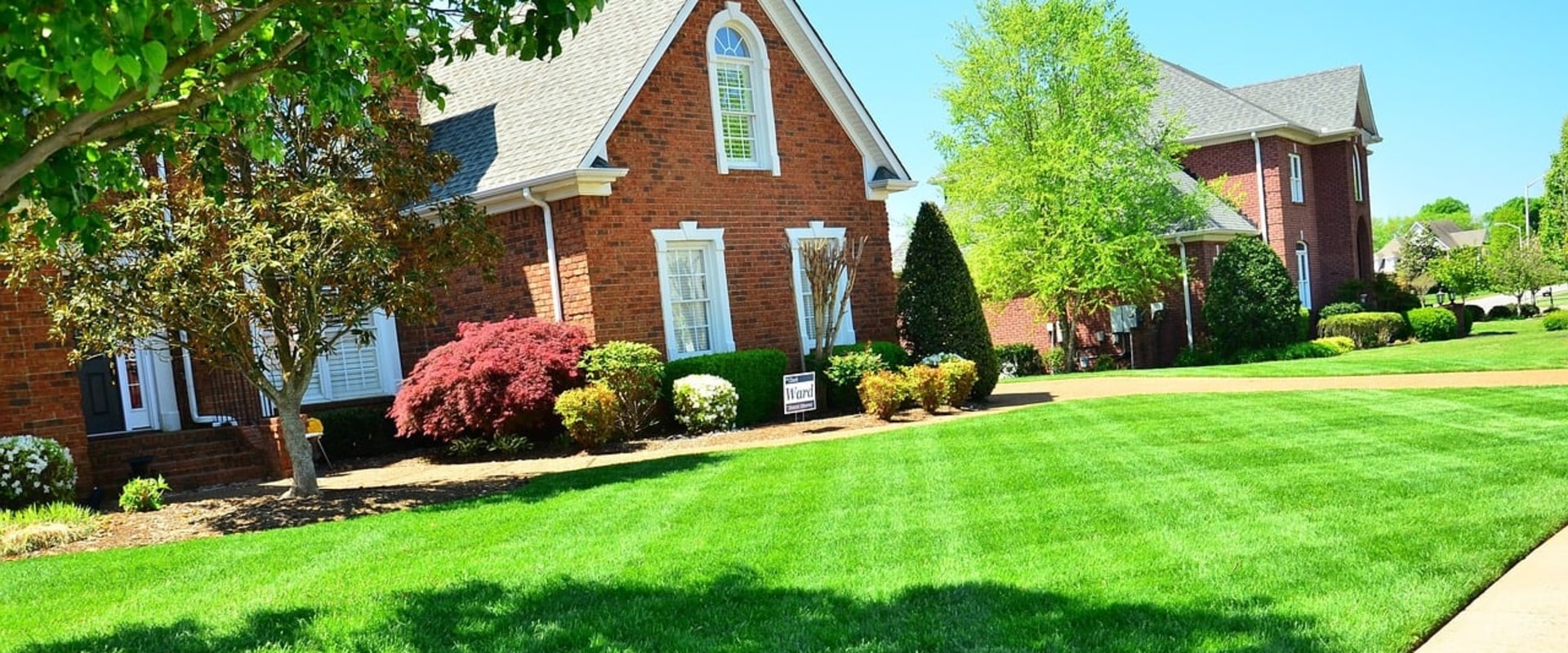
A well-maintained lawn is not just a visual delight; it serves as the foundation of your garden's overall health and aesthetics. Proper lawn care encompasses several essential practices, including mowing, edging, and fertilization, each contributing to a lush and vibrant outdoor space.Lawn Mowing
Mowing is perhaps the most fundamental aspect of lawn care. Regular mowing encourages healthy growth by preventing weeds from taking root and ensuring that grass remains at an optimal height. It is advisable to mow your lawn when the grass reaches about one-third taller than the desired height.
This practice not only promotes a denser lawn but also helps in maintaining moisture levels in the soil.When mowing, consider the following tips:
- Keep your mower blades sharp: Dull blades can tear grass rather than cut it cleanly, leading to a brownish appearance and increased susceptibility to disease.
- Vary your mowing pattern: Changing your mowing direction each time can prevent soil compaction and encourage upright growth.
- Avoid mowing wet grass: Wet conditions can lead to uneven cuts and clumping, which may smother the grass beneath.
Edging
Edging is another critical component of lawn care that enhances the overall appearance of your garden. It involves creating a clear boundary between your lawn and flower beds, pathways, or driveways. This not only improves aesthetics but also helps prevent grass from encroaching into other areas. Regular edging can be achieved using manual tools or powered edgers, depending on the size of your garden.
Fertilization
To maintain a healthy lawn, proper fertilization is essential.
Grass requires nutrients such as nitrogen, phosphorus, and potassium to thrive. A well-balanced fertilization schedule can significantly improve the colour and density of your lawn. It is recommended to apply fertilizer during the growing season, typically in spring and early autumn, when grass is actively growing.When selecting a fertilizer, consider:
- Soil testing: Conducting a soil test can help determine nutrient deficiencies and pH levels, allowing you to choose the right type of fertilizer.
- Slow-release options: These fertilizers provide nutrients gradually over time, reducing the risk of burning your grass and promoting sustained growth.
- Organic alternatives: Organic fertilizers can improve soil health while providing essential nutrients without harmful chemicals.
Weed Control: Keeping Your Garden Healthy
Weeds are often seen as the bane of any gardener's existence, but their control is crucial for maintaining a vibrant and healthy garden.Weed control encompasses a variety of methods aimed at preventing these unwanted plants from competing with your flowers, vegetables, and shrubs for essential nutrients, water, and sunlight.The importance of effective weed control cannot be overstated. Weeds can quickly overrun a garden, leading to reduced yields in vegetable patches and diminished aesthetic appeal in ornamental gardens. They can also harbour pests and diseases that may spread to your desired plants. Therefore, implementing a robust weed management strategy is essential for any garden maintenance plan.
Methods of Weed Control
- Cultural Control: This method involves practices that promote the health of your desired plants while discouraging weed growth.
Techniques include crop rotation, proper spacing of plants, and mulching. Mulch not only suppresses weeds but also retains soil moisture.
- Mechanical Control: Hand-pulling weeds or using tools like hoes and tillers can be effective for small gardens. Regularly mowing your lawn can also prevent weeds from flowering and spreading their seeds.
- Chemical Control: Herbicides can be used to manage stubborn weeds. However, it’s important to choose the right type—selective herbicides target specific weeds without harming your plants, while non-selective herbicides kill all vegetation they come into contact with.
Always follow the manufacturer's instructions to minimise environmental impact.
- Organic Weed Control: For those who prefer a more natural approach, there are several organic methods available. Vinegar, salt, and boiling water can be effective in killing weeds without the use of synthetic chemicals. Additionally, using landscape fabric can help prevent weed growth while allowing water and nutrients to reach the soil.
Seasonal Maintenance Tasks: Adapting to Changes in Weather
Maintaining a garden is not a one-size-fits-all task; it requires a tailored approach that adapts to the changing seasons.Each season brings its own set of challenges and opportunities for your garden, making it essential to adjust your maintenance tasks accordingly.
Spring: Awakening the Garden
As winter fades, spring is the time to rejuvenate your garden. Begin by clearing away any debris that has accumulated over the colder months. This includes fallen branches, leaves, and any dead plants. Once the garden is tidy, focus on:- Soil Preparation: Test your soil's pH and nutrient levels.
Amend it with compost or fertiliser as needed to ensure optimal growth.
- Planting: Spring is ideal for sowing seeds and planting new flowers, shrubs, and vegetables. Choose varieties that thrive in your local climate.
- Weeding: Regularly check for weeds, as they can quickly take over your garden if left unchecked.
Summer: Keeping Things Thriving
During the summer months, your garden will require consistent attention to thrive in the heat. Key tasks include:- Watering: Ensure your plants receive adequate water, especially during dry spells. Early morning is the best time to water to reduce evaporation.
- Pest Control: Monitor for pests and diseases.
Use organic methods where possible to protect beneficial insects.
- Deadheading: Remove spent flowers to encourage further blooming and maintain a tidy appearance.
Autumn: Preparing for Dormancy
As temperatures begin to drop, autumn is a crucial time for preparing your garden for winter. Important tasks include:- Pruning: Trim back perennials and shrubs to promote healthy growth in the spring.
- Mulching: Apply mulch around plants to insulate roots and retain moisture during colder months.
- Planting Bulbs: Autumn is perfect for planting spring-flowering bulbs like daffodils and tulips.
Winter: Care During Dormancy
While many plants enter dormancy during winter, your garden still needs care. Focus on:- Protection: Cover delicate plants with frost cloths or mulch to shield them from harsh weather.
- Cleansing: Remove any dead foliage or debris to prevent disease and pests from overwintering in your garden.
- Planning: Use this quieter time to plan for the upcoming growing season by researching new plants or redesigning areas of your garden.
The Role of Professional Garden Maintenance Services
Engaging professional garden maintenance services can significantly enhance the health and aesthetics of your outdoor space.These experts bring a wealth of knowledge and experience that can transform your garden into a thriving ecosystem. Here are some key benefits of hiring a gardener:
- Expertise and Knowledge: Professional gardeners possess a deep understanding of plant care, soil health, and pest management. They can identify issues that may not be immediately apparent to the untrained eye, ensuring that your garden remains vibrant and healthy.
- Time-Saving: Maintaining a garden can be time-consuming, especially for those with busy schedules. By hiring a professional, you free up your time to focus on other important aspects of your life while ensuring that your garden receives the attention it deserves.
- Customised Maintenance Plans: A professional gardener can create a tailored maintenance plan based on the specific needs of your garden.
This includes scheduling regular tasks such as pruning, fertilising, and weeding at optimal times throughout the year.
- Access to Quality Tools and Materials: Professionals come equipped with high-quality tools and materials that may not be readily available to the average homeowner. This ensures that all tasks are completed efficiently and effectively.
- Enhanced Aesthetic Appeal: A well-maintained garden not only looks beautiful but also increases the value of your property. Professional gardeners have an eye for design and can help create visually appealing landscapes that reflect your personal style.
- Experience: Look for professionals with a proven track record in garden maintenance. Check their references and previous work to gauge their expertise.
- Certifications: Many gardeners hold certifications in horticulture or landscape design, which can be an indicator of their commitment to their craft.
- Communication Skills: A good gardener should be able to communicate effectively about what services they provide and how they plan to maintain your garden.
- Insurance: Ensure that the gardener has liability insurance to protect you from any potential damages or accidents that may occur during their work.
By choosing the right gardener, you can enjoy a flourishing garden without the stress of managing it yourself.
DIY Garden Maintenance: Tips for Homeowners
For homeowners who prefer a hands-on approach to their outdoor spaces, DIY garden maintenance can be both rewarding and cost-effective. With the right tools and techniques, you can keep your garden thriving throughout the seasons. Here are some essential tips to help you maintain your own garden effectively.Essential Tools for Garden Maintenance
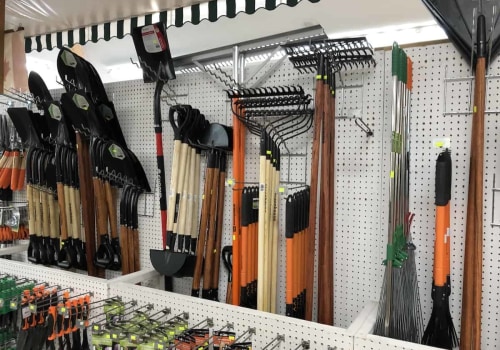
- Lawn Mower: A reliable lawn mower is crucial for keeping your grass at an optimal height. Consider investing in a model that suits the size of your garden, whether it’s a push mower for smaller areas or a ride-on mower for larger lawns.
- Pruning Shears: Sharp pruning shears are essential for trimming back overgrown plants and encouraging healthy growth.
Regular pruning helps to maintain the shape of your plants and promotes flowering.
- Weed Control Tools: A hoe or hand weeder can help you manage weeds effectively. Regularly removing weeds not only keeps your garden looking tidy but also reduces competition for nutrients among your plants.
- Garden Fork and Trowel: These tools are invaluable for planting, digging, and turning soil. A good quality fork can help aerate the soil, while a trowel is perfect for planting bulbs and small plants.
- Watering Can or Hose: Adequate watering is vital for plant health. Depending on the size of your garden, choose a watering can for smaller areas or a hose with an adjustable nozzle for larger spaces.
Effective Maintenance Techniques
Once you have the right tools, implementing effective maintenance techniques is key to a flourishing garden:- Regular Mowing: Aim to mow your lawn every one to two weeks during the growing season.
This encourages denser grass growth and helps prevent weeds from taking hold.
- Mulching: Applying mulch around plants not only suppresses weeds but also retains moisture in the soil. Organic mulches, such as bark or straw, can also improve soil quality as they decompose.
- Fertilisation: Feed your plants with appropriate fertilisers based on their specific needs. A balanced fertiliser can promote healthy growth, while specialised formulas may be necessary for flowering plants or vegetables.
- Pest Management: Keep an eye out for pests that may harm your plants. Natural remedies like neem oil or insecticidal soap can be effective without harming beneficial insects.
Common Mistakes in Garden Maintenance to Avoid
Maintaining a garden can be a rewarding experience, but it is also fraught with potential pitfalls that can hinder your efforts.Understanding the common mistakes in garden maintenance is crucial for achieving a thriving outdoor space. Here are some key errors to avoid:
- Overwatering or Underwatering: One of the most frequent mistakes gardeners make is mismanaging water. Overwatering can lead to root rot and fungal diseases, while underwatering can stress plants and inhibit growth. Always check the soil moisture before watering and adjust your schedule according to the season.
- Neglecting Soil Health: Healthy soil is the foundation of a successful garden.
Failing to test and amend your soil can result in nutrient deficiencies. Regularly incorporate organic matter, such as compost, and consider using soil tests to determine pH levels and nutrient content.
- Ignoring Pest Control: Many gardeners overlook pest management until it’s too late. Regularly inspect your plants for signs of pests or disease, and take action promptly. Integrated pest management (IPM) strategies can help you control pests without harming beneficial insects.
- Improper Pruning Techniques: Pruning is essential for plant health, but incorrect techniques can cause more harm than good.
Avoid cutting too much at once or pruning at the wrong time of year. Familiarise yourself with the specific needs of each plant species in your garden.
- Planting at the Wrong Time: Timing is everything in gardening. Planting too early or too late can expose young plants to harsh weather conditions. Research the best planting times for your region and specific plants to ensure optimal growth.
- Choosing Incompatible Plants: Not all plants thrive together.
Some may compete for resources or attract pests that harm others. When planning your garden, consider companion planting principles to create a harmonious ecosystem.
- Forgetting About Mulching: Mulch serves multiple purposes, including moisture retention, weed suppression, and temperature regulation. Neglecting to apply mulch can lead to increased maintenance efforts and stress on your plants.
Conclusion: The Importance of Regular Garden Maintenance
In summary, the significance of regular garden maintenance cannot be overstated.A well-maintained garden not only enhances the aesthetic appeal of your property but also contributes to the overall health of your plants and the environment. By investing time and resources into consistent upkeep, you ensure that your outdoor space remains vibrant and inviting throughout the seasons.One of the primary benefits of regular maintenance is the prevention of potential issues before they escalate. For instance, routine weeding and pruning can significantly reduce the risk of pest infestations and diseases that could otherwise devastate your plants. Additionally, proper lawn care, including mowing and fertilisation, promotes healthy growth and a lush appearance, making your garden a true sanctuary.Moreover, engaging in seasonal tasks such as leaf clearance in autumn or mulching in spring not only prepares your garden for changing weather conditions but also enhances soil quality and plant resilience.
This proactive approach fosters a thriving ecosystem where plants can flourish, attracting beneficial wildlife such as pollinators.Furthermore, regular garden maintenance can save you money in the long run. By addressing small problems early on, you can avoid costly repairs or replacements down the line. Whether you choose to undertake these tasks yourself or hire a professional service, understanding what garden maintenance entails is crucial for making informed decisions about your outdoor space.Ultimately, a commitment to regular garden maintenance reflects a dedication to creating a beautiful and sustainable environment. It allows you to enjoy the fruits of your labour while ensuring that your garden remains a source of joy and relaxation for years to come.
So, whether you are an avid gardener or just starting out, prioritising maintenance will undoubtedly lead to a flourishing outdoor haven.