Gardening is often romanticised as a serene and fulfilling hobby, but the reality of garden maintenance can be quite different. Many people envision themselves leisurely tending to their plants, sipping tea while enjoying the fruits of their labour. However, the truth is that gardening involves a significant amount of hard work and dedication. From preparing the soil to managing pests, the tasks can be physically demanding and time-consuming.
For those who are new to this rewarding pursuit, it’s essential to understand what lies ahead.One common misconception is that gardening is merely about planting seeds and waiting for them to grow. In reality, successful gardening requires ongoing attention and care. This includes regular watering, weeding, pruning, and fertilising, all of which contribute to a thriving garden. Additionally, understanding the specific needs of different plants can be overwhelming for beginners.
Each species has its own requirements for sunlight, water, and nutrients, making it crucial for novice gardeners to do their research before diving in.Moreover, garden maintenance is not just about physical labour; it also demands mental resilience. Gardeners must be prepared to face challenges such as unpredictable weather conditions, pest infestations, and plant diseases. These obstacles can be disheartening, especially for those who have invested time and effort into their gardens. However, overcoming these challenges can lead to a deeper appreciation for the gardening process and a sense of accomplishment.As we delve deeper into the world of gardening, we will explore various aspects of garden maintenance, including practical tips for beginners and strategies to make the workload more manageable.
By understanding both the physical and mental demands of gardening, aspiring gardeners can better prepare themselves for this fulfilling yet challenging endeavour.
Physical Demands of Gardening
Gardening is often perceived as a relaxing hobby, but the physical demands it entails can be quite significant. Understanding these demands is crucial for anyone considering taking up gardening, as it helps set realistic expectations and prepares you for the work involved.One of the most strenuous tasks in gardening is digging. Whether you are preparing a new bed for planting or turning over soil to improve its quality, digging requires considerable effort. It engages multiple muscle groups, particularly in your arms, back, and legs.For beginners, it’s advisable to start with smaller areas to avoid overexertion.
Weeding
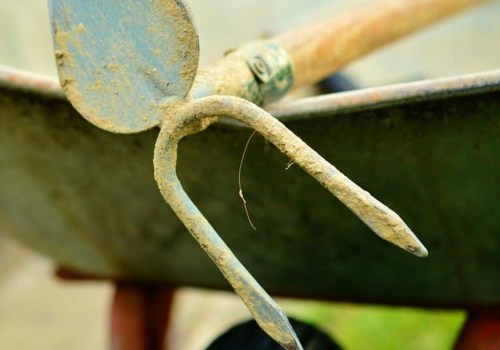
is another physically demanding aspect of garden maintenance. Pulling out stubborn weeds can be laborious, especially if they have deep roots. This task not only requires strength but also endurance, as it often involves bending and kneeling for extended periods. To make this task easier on your body, consider using tools like a weeding fork or hoe to reduce strain on your back.Transporting materials such as soil, mulch, or compost can also be quite taxing.
Carrying heavy bags or using a wheelbarrow to move these items around your garden can lead to fatigue if not done carefully. It’s essential to use proper lifting techniques and take breaks when needed to prevent injury.In addition to these strenuous tasks, regular garden maintenance involves less physically demanding activities like watering and pruning. However, even these tasks can become physically taxing if your garden is extensive or if you are using heavy equipment.Ultimately, while gardening does require a fair amount of physical effort, the rewards can be immensely satisfying. The sense of accomplishment that comes from nurturing plants and watching them thrive makes the hard work worthwhile.
For those new to gardening, starting small and gradually increasing the size of your garden can help you build strength and stamina while enjoying the process.
Mental and Emotional Aspects of Gardening
Gardening is often perceived as a physically demanding task, but it also offers profound mental and emotional benefits that can significantly enhance one’s overall well-being. Engaging with nature through gardening can serve as a powerful antidote to the stresses of modern life.Mental Benefits of Gardening
Research has shown that spending time in green spaces can lead to improved mental health. The act of gardening encourages mindfulness, allowing individuals to focus on the present moment. This practice can reduce symptoms of anxiety and depression, providing a sense of calm and clarity.
The repetitive motions involved in tasks such as planting, weeding, and watering can also serve as a form of meditation, helping to clear the mind and promote relaxation.
Emotional Rewards of Nurturing Plants
The emotional satisfaction derived from nurturing plants cannot be overstated. Watching seeds transform into thriving plants fosters a sense of accomplishment and connection to nature. This nurturing process can evoke feelings of joy and pride, especially when one witnesses the fruits of their labour—be it vibrant flowers or bountiful vegetables. Such achievements can boost self-esteem and provide a sense of purpose.
Gardening as Stress Relief
Many gardeners find that spending time outdoors, surrounded by greenery, acts as a natural stress reliever.
The physical activity involved in gardening releases endorphins, which are known to improve mood and reduce stress levels. Additionally, the sensory experiences associated with gardening—the smell of fresh soil, the sight of colourful blooms, and the sound of rustling leaves—can create a soothing environment that promotes relaxation.Moreover, gardening can serve as a therapeutic outlet for those dealing with life’s challenges. It provides an opportunity to disconnect from technology and reconnect with oneself and the environment. This reconnection can lead to greater emotional resilience, helping individuals cope better with stressors in their daily lives.In conclusion, while gardening does require physical effort, the mental and emotional rewards it offers are invaluable.
By cultivating a garden, individuals not only nurture plants but also foster their own well-being, making it a truly enriching experience.
Essential Tools for Garden Maintenance
To maintain a thriving garden, having the right tools is essential. Each tool serves a specific purpose, making various gardening tasks more manageable and efficient. Below is a comprehensive list of essential tools for garden maintenance that every gardener should consider.- Trowel: This small hand tool is perfect for digging, planting, and transferring soil. A sturdy trowel allows for precise work in tight spaces, making it indispensable for planting bulbs or small plants.
- Pruning Shears: Also known as secateurs, these are vital for trimming and shaping plants.
They help maintain the health of your garden by removing dead or diseased branches, promoting better air circulation and growth.
- Garden Fork: Ideal for loosening soil and turning compost, a garden fork is essential for aerating the ground. It helps break up compacted soil, allowing roots to penetrate more easily.
- Hoe: This tool is excellent for cultivating soil and removing weeds. With its long handle and flat blade, a hoe allows you to work efficiently without straining your back.
- Rake: A rake is crucial for gathering leaves, debris, and leveling soil. It can also be used to create seedbeds by breaking up clumps of soil.
- Watering Can or Hose: Keeping your plants hydrated is vital for their survival.
A watering can is perfect for targeted watering, while a hose with an adjustable nozzle can cover larger areas quickly.
- Spade: A spade is essential for digging larger holes and moving soil. Its sharp edge makes it easier to cut through tough ground or roots.
- Gloves: Protecting your hands while gardening is crucial. A good pair of gloves will shield your skin from thorns, splinters, and dirt while providing a better grip on tools.
However, starting with these essentials will set a solid foundation for effective garden maintenance.
Starting Small: Tips for Beginner Gardeners
Starting a garden can be an exciting yet daunting task for beginners. To ease into the world of gardening, it’s essential to begin with manageable steps that allow you to build confidence and skills over time. Here are some practical tips to help novice gardeners embark on their green journey.1.Choose the Right Plants
- Start with Easy-to-Grow Varieties: Select plants that are known for their resilience and low maintenance. Herbs like basil and mint, or flowers such as marigolds and sunflowers, are excellent choices for beginners.
- Consider Your Climate: Research which plants thrive in your local climate.
Understanding your hardiness zone will help you select plants that are more likely to flourish.
- Opt for Native Plants: Native species are adapted to your local environment and typically require less care, making them ideal for novice gardeners.
2.Plan Your Layout
- Start Small: Instead of overwhelming yourself with a large garden, begin with a small plot or even a few containers. This allows you to focus on learning without feeling overwhelmed.
- Design with Purpose: Consider the sunlight, water access, and space requirements of your chosen plants. Grouping plants with similar needs can simplify maintenance.
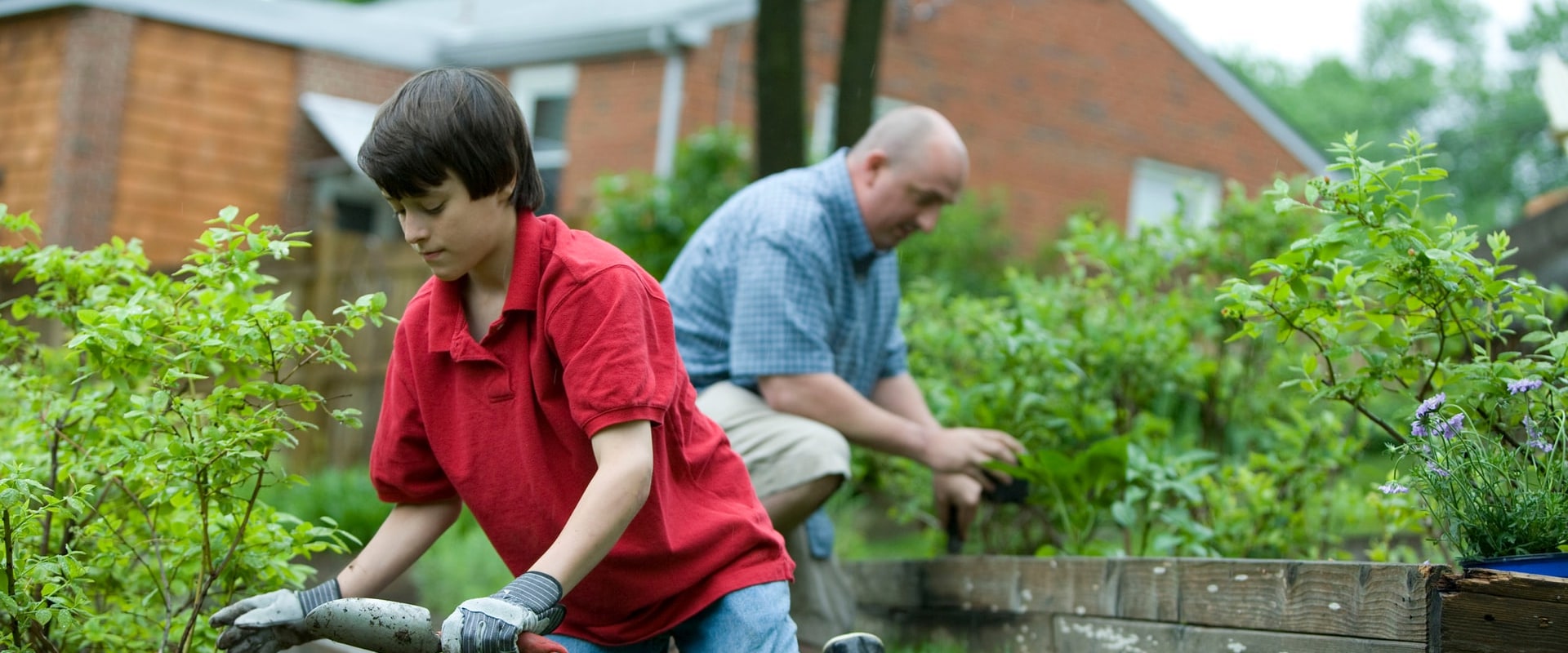
- Use Raised Beds or Containers: These options can make gardening easier by reducing the need to bend down and can also improve drainage.
3.Manage Your Expectations
- Understand the Learning Curve: Gardening is a skill that takes time to develop. Be patient with yourself as you learn what works best in your garden.
- Acknowledge Mistakes: Every gardener makes mistakes; they are part of the learning process.
Use any setbacks as opportunities to gain knowledge for future planting seasons.
- Cherish Small Victories: Celebrate each successful bloom or harvest, no matter how small. These moments will motivate you to continue your gardening journey.
Common Challenges in Garden Maintenance
Gardening can be a rewarding yet challenging endeavour, and understanding the common obstacles can help you navigate through them more effectively. Here are some of the most prevalent challenges faced by gardeners, along with strategies to overcome them.Pests
Pests are perhaps the most notorious challenge in garden maintenance.From aphids to slugs, these unwanted visitors can wreak havoc on your plants. To combat pests, consider the following:
- Regular Monitoring: Keep a close eye on your plants for any signs of pest activity. Early detection is key to preventing infestations.
- Natural Predators: Encourage beneficial insects like ladybirds and lacewings, which feed on harmful pests.
- Organic Solutions: Use insecticidal soap or neem oil as a natural remedy to control pest populations without harming the environment.
Diseases
Plant diseases can also pose significant challenges. Fungal infections, bacterial blights, and viral diseases can spread quickly if not managed properly.Here are some tips to mitigate these issues:
- Choose Resistant Varieties: When selecting plants, opt for varieties that are known for their resistance to common diseases.
- Proper Watering Techniques: Water your plants at the base rather than overhead to reduce humidity around the leaves, which can promote fungal growth.
- Sanitation: Remove any diseased plant material promptly to prevent the spread of pathogens.
Weather Conditions
The weather can be unpredictable and may significantly impact your garden's health. Extreme temperatures, heavy rainfall, or drought can all create challenges. To prepare for varying weather conditions:- Mulching: Apply a layer of mulch around your plants to retain moisture during dry spells and regulate soil temperature during heatwaves.
- Drainage Solutions: Ensure proper drainage in your garden beds to prevent waterlogging during heavy rains.
- Seasonal Planning: Plan your planting schedule according to local climate patterns to ensure that your plants thrive in their optimal conditions.
The Time Commitment: How Much Time Does Gardening Really Take?
When considering the time commitment involved in gardening, it’s essential to understand that the amount of time required can vary significantly based on several factors, including the size of the garden, the types of plants being cultivated, and the gardener's experience level. For those new to gardening, it can be helpful to break down the various tasks involved in garden maintenance to get a clearer picture of what to expect.On average, a small garden may require around 2 to 4 hours per week for basic maintenance.This includes tasks such as:
- Watering: Depending on the weather and plant types, watering can take anywhere from 30 minutes to an hour each week.
- Weeding: Regular weeding is crucial and can take about 1 hour weekly, especially during the growing season when weeds tend to proliferate.
- Pruning and Deadheading: These tasks help maintain plant health and aesthetics and may require an additional hour every couple of weeks.
- Fertilising: Applying fertiliser typically takes about 30 minutes once a month.
- Soil Preparation: Preparing soil for planting can take several hours, especially if amendments are needed.
- Pest Control: Monitoring for pests and applying treatments can be time-consuming but is essential for maintaining plant health.
- Harvesting: For vegetable gardens, harvesting can become a regular task that requires additional time.
For instance, dedicating weekends to heavier tasks like planting or mulching while reserving weekdays for lighter duties such as watering or weeding can create a balanced routine.Ultimately, how much time you spend on garden care will depend on your personal goals and the level of involvement you wish to have. By starting small and gradually increasing your commitment as you gain experience, you can enjoy the many rewards that gardening has to offer without feeling overwhelmed.
The Rewards of Gardening: Why It's Worth the Effort
Gardening is often perceived as a laborious task, but the rewards it offers can far outweigh the effort involved. From the joy of nurturing plants to the satisfaction of harvesting your own produce, maintaining a garden can be a deeply fulfilling experience.Fresh Produce and Health Benefits
One of the most significant rewards of gardening is the ability to grow your own food. Imagine stepping into your garden and picking ripe tomatoes, crisp lettuce, or fragrant herbs just moments before preparing a meal.
Not only does this provide you with fresh ingredients, but it also encourages healthier eating habits. Homegrown produce is often more nutritious than store-bought options, as it can be harvested at its peak ripeness, ensuring maximum flavour and nutrient content.Moreover, gardening can be a great way to engage in physical activity. The various tasks involved—digging, planting, weeding, and watering—contribute to improved physical fitness. Regular gardening can enhance strength, flexibility, and endurance while also providing a sense of accomplishment.
Aesthetic Beauty and Environmental Impact
Beyond personal health benefits, gardens contribute significantly to the beauty of our surroundings.
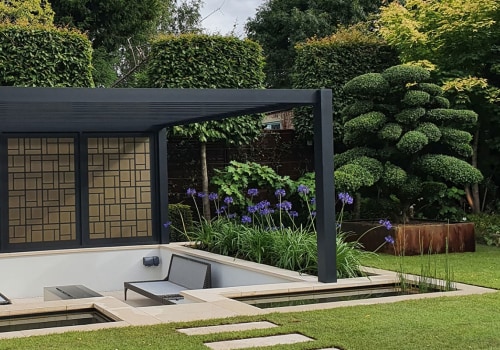
A well-maintained garden can transform an ordinary space into a vibrant oasis filled with colour and life. The aesthetic appeal of flowers in bloom or lush greenery can uplift your mood and create a serene environment for relaxation.Additionally, gardens play a crucial role in supporting local ecosystems. By planting a variety of flowers and plants, you can attract beneficial insects such as bees and butterflies, which are essential for pollination. This not only helps your garden thrive but also contributes positively to the environment.
Personal Satisfaction and Mental Well-being
The act of gardening itself can be therapeutic.
Many find solace in tending to their plants, as it allows for mindfulness and connection with nature. The routine of caring for a garden can provide structure to your day while also serving as an escape from the stresses of modern life.Furthermore, witnessing the fruits of your labour—whether it's a bountiful harvest or simply the growth of a new plant—can instil a profound sense of achievement. This personal satisfaction is often cited as one of the most rewarding aspects of maintaining a garden.In conclusion, while garden maintenance may require effort and dedication, the myriad benefits it offers make it worthwhile. From enhancing your diet to beautifying your surroundings and promoting mental well-being, gardening is an enriching pursuit that pays dividends far beyond the initial hard work.
Frequently Asked Questions About Garden Maintenance
When it comes to garden maintenance, many people have questions that can often lead to confusion or misconceptions.Below are some of the most frequently asked questions regarding garden upkeep, along with clear answers to help demystify the process.
What is the best time to water my garden?
Watering your garden is crucial for plant health, but timing is everything. The best time to water is early in the morning or late in the afternoon. This allows the water to soak into the soil before the sun evaporates it. Watering during the hottest part of the day can lead to significant water loss and may even harm your plants.How often should I fertilise my garden?
The frequency of fertilisation depends on the type of plants you are growing and the soil quality.Generally, a good rule of thumb is to fertilise every 4-6 weeks during the growing season. However, always check specific requirements for your plants, as some may need more or less frequent feeding.
Is it necessary to prune my plants?
Pruning is an essential part of garden maintenance. It helps promote healthy growth, removes dead or diseased branches, and can even encourage flowering in some species. While not all plants require heavy pruning, regular maintenance will keep your garden looking its best.What are some common gardening myths?
- Myth: You should water your garden every day.
- Fact: Overwatering can be just as harmful as underwatering.
It's better to water deeply and less frequently.
- Myth: All weeds are bad for your garden.
- Fact: Some weeds can actually benefit your garden by attracting beneficial insects or improving soil quality.
How can I keep pests away from my garden?
Pest control is a common concern for gardeners. There are several natural methods to deter pests, such as introducing beneficial insects like ladybugs, using companion planting techniques, or applying organic repellents. Regular monitoring and maintaining plant health will also help reduce pest problems.By addressing these common questions and misconceptions about garden maintenance, you can approach your gardening tasks with greater confidence and knowledge. Remember that every garden is unique, so take the time to understand what works best for your specific environment and plants.Conclusion: Embracing the Journey of Gardening
In conclusion, the journey of gardening is one that is both challenging and immensely rewarding.While it is true that garden maintenance can be physically demanding, the benefits far outweigh the hard work involved. As we have explored throughout this article, gardening encompasses a variety of tasks that range from strenuous activities like digging and weeding to more manageable ones such as watering and pruning.For those who may feel daunted by the prospect of starting a garden, it is essential to remember that every gardener begins somewhere. Starting small can help ease the transition into this fulfilling hobby. By focusing on a few plants or a small plot, beginners can gradually build their confidence and skills without feeling overwhelmed.Moreover, the physical exertion involved in gardening not only contributes to a healthier lifestyle but also fosters a deeper connection with nature.
Engaging with the soil, nurturing plants, and witnessing their growth can be incredibly satisfying. This hands-on experience not only strengthens our bodies but also enriches our minds and spirits.As we reflect on the various aspects of gardening discussed in this article, it becomes clear that the effort invested in garden maintenance yields significant rewards. From the joy of harvesting fresh produce to the aesthetic pleasure of blooming flowers, each moment spent in the garden enhances our quality of life.Ultimately, embracing the journey of gardening means accepting both its challenges and its triumphs. It is about learning from failures, celebrating successes, and continuously evolving as a gardener.
So whether you are an experienced horticulturist or just starting out, remember that every seed sown is a step towards creating something beautiful and meaningful.In essence, while gardening may require hard work and dedication, it also offers unparalleled rewards that enrich our lives in countless ways. So grab your tools, dig in, and enjoy the transformative power of your own garden.