Garden maintenance encompasses a variety of tasks aimed at keeping your outdoor space healthy, attractive, and functional. It includes activities such as watering, weeding, pruning, fertilising, and pest control. While these tasks are essential for the vitality of your plants and the overall aesthetics of your garden, they can also become overwhelming, especially for those with busy lifestyles or larger gardens. Understanding the intricacies of garden maintenance is crucial for any gardener looking to create a thriving environment without succumbing to the stress of upkeep.The importance of garden maintenance cannot be overstated.
A well-maintained garden not only enhances the beauty of your home but also contributes to biodiversity and provides a habitat for various wildlife. Moreover, regular maintenance helps prevent issues such as pest infestations and plant diseases, which can lead to more significant problems down the line. By investing time in understanding and implementing effective maintenance strategies, you can enjoy a flourishing garden that requires less effort over time.However, many gardeners face common challenges that can make maintenance feel like a daunting task. Factors such as unpredictable weather conditions, soil quality, and the selection of appropriate plants can all impact how much time and effort you need to dedicate to your garden.
Additionally, the desire for a beautiful outdoor space often clashes with the reality of limited time and resources. This is where effective strategies come into play—by adopting low-maintenance practices and selecting suitable plants, you can significantly reduce the workload while still enjoying a vibrant garden.In this article, we will explore various methods to streamline your garden maintenance efforts. From choosing the right plants to implementing smart landscaping techniques, our aim is to equip you with practical solutions that will allow you to spend less time on upkeep and more time enjoying your outdoor sanctuary.
Assessing Your Garden's Needs
To effectively reduce garden maintenance, it is crucial to first assess your garden's current state. Understanding the unique requirements of your garden will enable you to identify areas that demand the most attention and allow you to implement strategies that streamline upkeep.Begin your assessment by walking through your garden and taking note of various elements.Consider the following:
- Plant Health: Examine the condition of your plants. Are there any that appear unhealthy or require frequent care? Identifying high-maintenance plants can help you decide whether to replace them with more resilient varieties.
- Soil Quality: Assess the soil in different areas of your garden. Is it compacted, sandy, or clay-like? Understanding your soil type will inform you about its drainage capabilities and nutrient content, which are vital for plant health.
- Sunlight Exposure: Observe how much sunlight different parts of your garden receive throughout the day. Some plants thrive in full sun, while others prefer shade.
This knowledge will help you position plants according to their light requirements.
- Watering Needs: Take note of areas that dry out quickly or remain soggy after rain. This will guide you in implementing efficient watering systems, such as drip irrigation, to minimise water usage and maintenance time.
- Weed Growth: Identify areas where weeds are prevalent. High weed populations can indicate poor soil health or inadequate plant coverage. Consider mulching or planting ground cover to suppress weeds effectively.
For instance, if certain plants require excessive watering or pest control, consider replacing them with drought-resistant or pest-resistant alternatives. Additionally, grouping plants with similar needs can simplify maintenance tasks.Regular assessments should become part of your gardening routine. Seasonal evaluations can help you adapt to changing conditions and ensure that your garden remains healthy and manageable. By understanding your garden's specific needs, you can significantly reduce the time and effort spent on maintenance while enjoying a thriving outdoor space.
Choosing Low-Maintenance Plants
When it comes to creating a beautiful garden that requires minimal upkeep, the selection of low-maintenance plants is crucial.These plants not only enhance the aesthetic appeal of your garden but also save you time and effort in maintenance. Here are some excellent options and tips for choosing the best plants for low-maintenance gardens in the UK.
Best Low-Maintenance Plants
- Lavender : This aromatic herb thrives in well-drained soil and full sun, requiring little water once established. Its vibrant purple flowers attract pollinators while providing a lovely fragrance.
- Sedum : Known for its drought resistance, sedum is a succulent that comes in various shapes and sizes. It requires minimal watering and can thrive in poor soil conditions.
- Ornamental Grasses : Varieties like Miscanthus and Pennisetum add texture and movement to your garden.
They are hardy, require little maintenance, and provide year-round interest.
- Geraniums : These hardy perennials are not only beautiful but also resilient. They can tolerate a range of conditions and bloom profusely with minimal care.
- Rudbeckia (Black-eyed Susan) : This cheerful flower is perfect for adding colour to your garden. It thrives in sunny spots and is resistant to pests and diseases.
Plant Selection Tips
When selecting plants for a low-maintenance garden, consider the following tips:- Choose Native Plants : Native species are adapted to local conditions, making them more resilient to pests and diseases. They typically require less water and care than non-native varieties.
- Opt for Perennials Over Annuals : Perennials return year after year, reducing the need for replanting.
Look for varieties that thrive in your specific climate zone.
- Consider Plant Size and Growth Habit : Select plants that won’t outgrow their space or require frequent pruning. Compact varieties can help maintain a tidy appearance with less effort.
- Avoid High-Maintenance Varieties : Steer clear of plants that are prone to diseases or require regular deadheading, staking, or special soil conditions.
Implementing Hardscaping Solutions
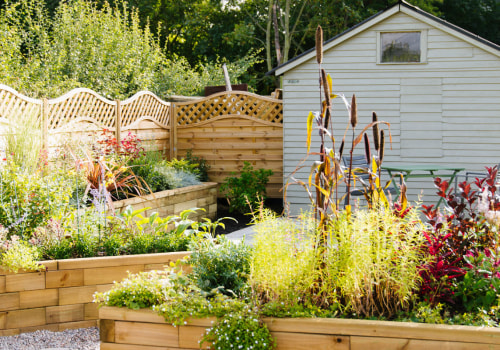
Incorporating hardscaping elements into your garden design can dramatically reduce the amount of time and effort required for maintenance. Hardscaping refers to the non-plant elements of landscaping, such as patios, pathways, and decorative stones.By strategically implementing these features, you can create a beautiful outdoor space that requires minimal upkeep.
Benefits of Hardscaping
- Reduced Weeding: Hardscaping surfaces like patios and pathways limit the areas where weeds can grow, significantly reducing the time spent on weeding tasks.
- Less Lawn Care: Replacing traditional grass lawns with hardscaped areas means no more mowing, fertilising, or watering, which can save you hours each week.
- Enhanced Aesthetics: Well-designed hardscaping can add visual interest and structure to your garden, making it more appealing without the need for constant plant care.
- Improved Drainage: Hardscaping can help manage water runoff and prevent soil erosion, leading to a healthier garden environment.
Hardscaping Ideas
When considering hardscaping options, think about how they can complement your existing garden layout while also serving practical purposes. Here are some ideas:
- Patios: Create a spacious patio area using stone or pavers for outdoor dining and relaxation. This not only provides a functional space but also reduces the need for grass maintenance.
- Pathways: Design pathways with gravel, bricks, or flagstones to guide visitors through your garden. These paths can help prevent soil compaction and make it easier to navigate your outdoor space.
- Retaining Walls: Use retaining walls to create tiered garden beds.
This not only adds dimension but also reduces the amount of soil erosion and maintenance needed for sloped areas.
- Decorative Stones: Incorporate decorative stones or gravel in flower beds or around trees to suppress weeds and reduce watering needs.
Mulching: A Game Changer for Maintenance Reduction
Mulching is an essential practice in garden maintenance that offers numerous benefits, making it a true game changer for those looking to reduce upkeep. By applying a layer of mulch around your plants, you can significantly decrease the time and effort spent on weeding, watering, and overall garden care.Benefits of Mulching
- Weed Suppression: One of the primary advantages of mulching is its ability to suppress weeds. A thick layer of mulch blocks sunlight from reaching weed seeds, preventing them from germinating and taking over your garden beds.
- Moisture Retention: Mulch acts as a barrier that helps retain soil moisture.
This is particularly beneficial during hot summer months when plants are at risk of drying out. By reducing evaporation, mulch ensures that your plants have consistent access to water.
- Soil Temperature Regulation: Mulch helps maintain a stable soil temperature, keeping it cooler in the summer and warmer in the winter. This creates a more favourable environment for plant roots to thrive.
- Nutrient Enrichment: Organic mulches, such as wood chips or straw, break down over time, adding valuable nutrients back into the soil. This natural fertilisation process supports healthy plant growth.
- Aesthetic Appeal: Beyond its practical benefits, mulch can enhance the visual appeal of your garden.
Available in various colours and textures, it can complement your landscape design beautifully.
How to Mulch Effectively
To reap the full benefits of mulching, it’s important to apply it correctly:
- Choose the Right Type of Mulch: Select a mulch that suits your garden's needs. Organic options like bark chips, straw, or grass clippings are excellent for enriching the soil, while inorganic options like gravel or rubber are durable and low-maintenance.
- Prepare the Area: Before applying mulch, clear the area of weeds and debris. This ensures that the mulch layer is effective in suppressing future weed growth.
- Apply at the Right Depth: Aim for a mulch depth of 5-10 cm (2-4 inches). Too little won’t provide adequate coverage, while too much can suffocate plant roots.
- Avoid Mulching Against Plant Stems: Keep mulch a few centimetres away from plant stems to prevent rot and pest issues.
Types of Mulch for Gardens
There are several types of mulch available, each with its unique benefits:
- Organic Mulch: Includes materials like shredded bark, wood chips, straw, and grass clippings.
These not only suppress weeds but also improve soil quality as they decompose.
- Inorganic Mulch: Comprises materials such as gravel, stones, or landscape fabric. While they do not enrich the soil, they are long-lasting and effective at controlling weeds.
- Living Mulch: This involves planting ground cover plants that can suppress weeds while providing additional benefits like erosion control and habitat for beneficial insects.
Irrigation Systems: Automating Watering Needs
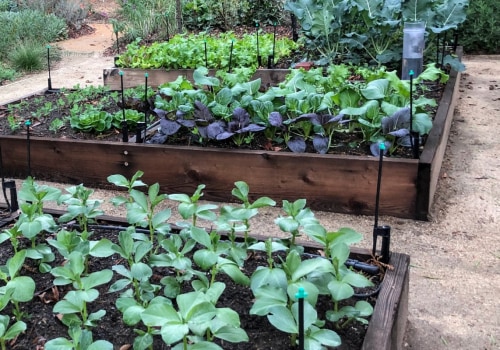
When it comes to garden maintenance, one of the most effective ways to streamline your efforts is by implementing an automated irrigation system. These systems not only save you time but also ensure that your plants receive consistent and adequate watering, which is crucial for their health and growth.Among the various options available, drip irrigation stands out as a highly efficient solution.This method delivers water directly to the roots of plants through a network of tubing and emitters, minimising evaporation and runoff. Here are some key benefits of drip irrigation:
- Water Efficiency: Drip systems use significantly less water compared to traditional sprinklers, making them an environmentally friendly choice.
- Reduced Weed Growth: By targeting the water directly at the plant roots, drip irrigation helps to limit moisture in surrounding areas, thereby reducing weed growth.
- Customisable Delivery: You can easily adjust the flow rate and timing for different plants, ensuring that each one receives the right amount of water based on its specific needs.
- Less Disease Risk: Since water is applied directly to the soil rather than the foliage, there’s a lower risk of fungal diseases that thrive in damp conditions.
These advanced systems can be connected to weather forecasts and soil moisture sensors, automatically adjusting watering schedules based on real-time conditions. This not only conserves water but also promotes healthier plant growth by preventing over or under-watering.In conclusion, investing in an automated irrigation system can significantly reduce your garden maintenance workload while ensuring that your plants thrive. Whether you opt for a simple drip irrigation setup or a sophisticated smart system, the benefits are clear: less time spent watering means more time enjoying your beautiful garden.
Creating a Sustainable Garden Environment
Creating a sustainable garden environment is not only beneficial for the planet but also significantly reduces the amount of maintenance required. By implementing eco-friendly gardening practices, you can cultivate a thriving garden that works in harmony with nature.Composting
is one of the most effective ways to enrich your garden soil while minimising waste.
By recycling kitchen scraps and garden waste, you create nutrient-rich compost that enhances soil structure and fertility. This natural fertiliser reduces the need for chemical inputs and promotes healthy plant growth. To start composting, consider setting up a compost bin in a shaded area of your garden. Layer green materials (like vegetable peels) with brown materials (such as dried leaves) to create a balanced mix that decomposes efficiently.Another key aspect of sustainable gardening is the use of native plants.
These plants are well-adapted to your local climate and soil conditions, requiring less water and maintenance than non-native species. By choosing native plants, you not only reduce the need for irrigation but also support local wildlife, including pollinators like bees and butterflies. Incorporating a variety of native species can create a biodiverse ecosystem that thrives with minimal intervention.When it comes to pest control, consider adopting organic methods. Chemical pesticides can harm beneficial insects and disrupt the natural balance in your garden.
Instead, use natural pest deterrents such as neem oil or insecticidal soap. Additionally, introducing beneficial insects like ladybugs can help keep pest populations in check without harming your plants.Implementing these sustainable practices not only reduces your garden maintenance but also contributes positively to the environment. By composting, using native plants, and opting for organic pest control, you create a resilient garden that flourishes with minimal effort while supporting local ecosystems.
Regular Maintenance Tips for Long-Term Success
To ensure your garden remains low-maintenance and thrives over the years, establishing a regular maintenance schedule is essential. This not only helps in keeping your garden looking its best but also reduces the amount of time you spend on upkeep.Here are some practical tips to help you create an effective garden maintenance plan.
Creating a Seasonal Maintenance Schedule
Start by breaking down your garden tasks into seasonal categories. This will allow you to focus on specific activities at the right times of the year:- Spring: This is the ideal time for planting new flowers and shrubs, as well as fertilising existing plants. Make sure to clear away any debris that has accumulated over winter and check for any signs of pests or diseases.
- Summer: Focus on watering, especially during dry spells. Mulching around plants can help retain moisture and suppress weeds.
Regularly deadhead flowers to encourage further blooming and keep an eye out for any invasive species that may need to be removed.
- Autumn: As the growing season winds down, it’s time to prepare your garden for winter. This includes cutting back perennials, clearing fallen leaves, and adding compost or mulch to enrich the soil for the next year.
- Winter: While many plants are dormant, this is a good time to assess your garden layout and plan for any changes you want to make in the spring. Protect sensitive plants from frost and consider cleaning tools and equipment during this quieter period.
Staying Organised
To maintain a low-maintenance garden effectively, organisation is key. Here are some strategies to help you stay on top of your gardening tasks:- Create a Gardening Calendar: Use a calendar or planner to mark important dates for planting, fertilising, and other seasonal tasks.
This visual reminder can help you stay accountable.
- Utilise Technology: Consider using gardening apps that can send reminders for watering schedules or pest control measures. These tools can simplify your routine and ensure nothing is overlooked.
- Keep Records: Document what works well in your garden and what doesn’t. Keeping notes on plant performance can guide future decisions and help you refine your maintenance schedule.
FAQs About Reducing Garden Maintenance
When it comes to reducing garden maintenance, many gardeners have questions about the best practices and strategies to implement.Here are some frequently asked questions that can help clarify common concerns and provide insights into effective gardening techniques.
What are the best low-maintenance plants for my garden?
Choosing the right plants is crucial for minimising upkeep. Some excellent options include:- Perennials: Plants like sedum, lavender, and daylilies return year after year without needing replanting.
- Shrubs: Varieties such as boxwood, holly, and hydrangeas require minimal pruning and care.
- Native plants: These are adapted to your local climate and soil, making them more resilient and less demanding.
How can I reduce weeding in my garden?
Weeding can be a time-consuming task, but there are several effective methods to keep them at bay:- Mulching: Applying a thick layer of mulch around your plants not only suppresses weeds but also retains soil moisture.
- Ground covers: Planting ground cover species can outcompete weeds for resources, reducing their growth.
- Weed barriers: Using landscape fabric or cardboard under mulch can prevent weed seeds from germinating.
Is it possible to automate garden maintenance?
Yes, automation can significantly reduce the time spent on garden upkeep. Consider these options:- Irrigation systems: Installing a drip irrigation system with a timer ensures your plants receive consistent watering without manual effort.
- Lawn mowers: Robotic lawn mowers can take care of grass cutting while you enjoy your free time.
- Sensors: Soil moisture sensors can alert you when your plants need watering, preventing over or under-watering.
Conclusion: Embracing a Low-Maintenance Garden Lifestyle
In conclusion, adopting a low-maintenance garden lifestyle not only simplifies your gardening tasks but also enhances your overall enjoyment of your outdoor space.By implementing the strategies discussed throughout this article, you can significantly reduce the time and effort spent on garden maintenance, allowing you to focus on what truly matters: relaxation and appreciation of nature.One of the most effective ways to achieve a low-maintenance garden is by selecting the right plants. Opting for disease-resistant varieties that thrive in your local climate can drastically cut down on the need for constant care. Consider incorporating perennials and native plants, as they are often better adapted to your environment and require less water and attention.Additionally, utilising mulch in your garden beds serves multiple purposes. Not only does it suppress weeds, but it also retains soil moisture, reducing the frequency of watering.
This simple yet effective technique can save you hours of maintenance time while keeping your garden looking tidy and vibrant.Furthermore, installing a drip irrigation system can automate your watering schedule, ensuring that your plants receive consistent moisture without the hassle of manual watering. This not only conserves water but also allows you to enjoy your garden without the burden of daily upkeep.As you embrace these low-maintenance practices, remember that creating a beautiful garden doesn’t have to be labour-intensive. By designing your space with hardscaping , such as pathways and patios, you can reduce the area that requires regular mowing or weeding. This not only enhances the aesthetic appeal of your garden but also provides functional spaces for relaxation and entertainment.Ultimately, a low-maintenance garden is about finding balance.
It allows you to cultivate a space that reflects your personal style while minimising the demands on your time and energy. By embracing these principles, you can transform your gardening experience into one that is both enjoyable and fulfilling.So take the plunge into low-maintenance gardening; it’s an investment in both your time and peace of mind. With thoughtful planning and the right choices, you can create a stunning outdoor sanctuary that requires minimal upkeep, leaving you free to savour every moment spent in your garden.